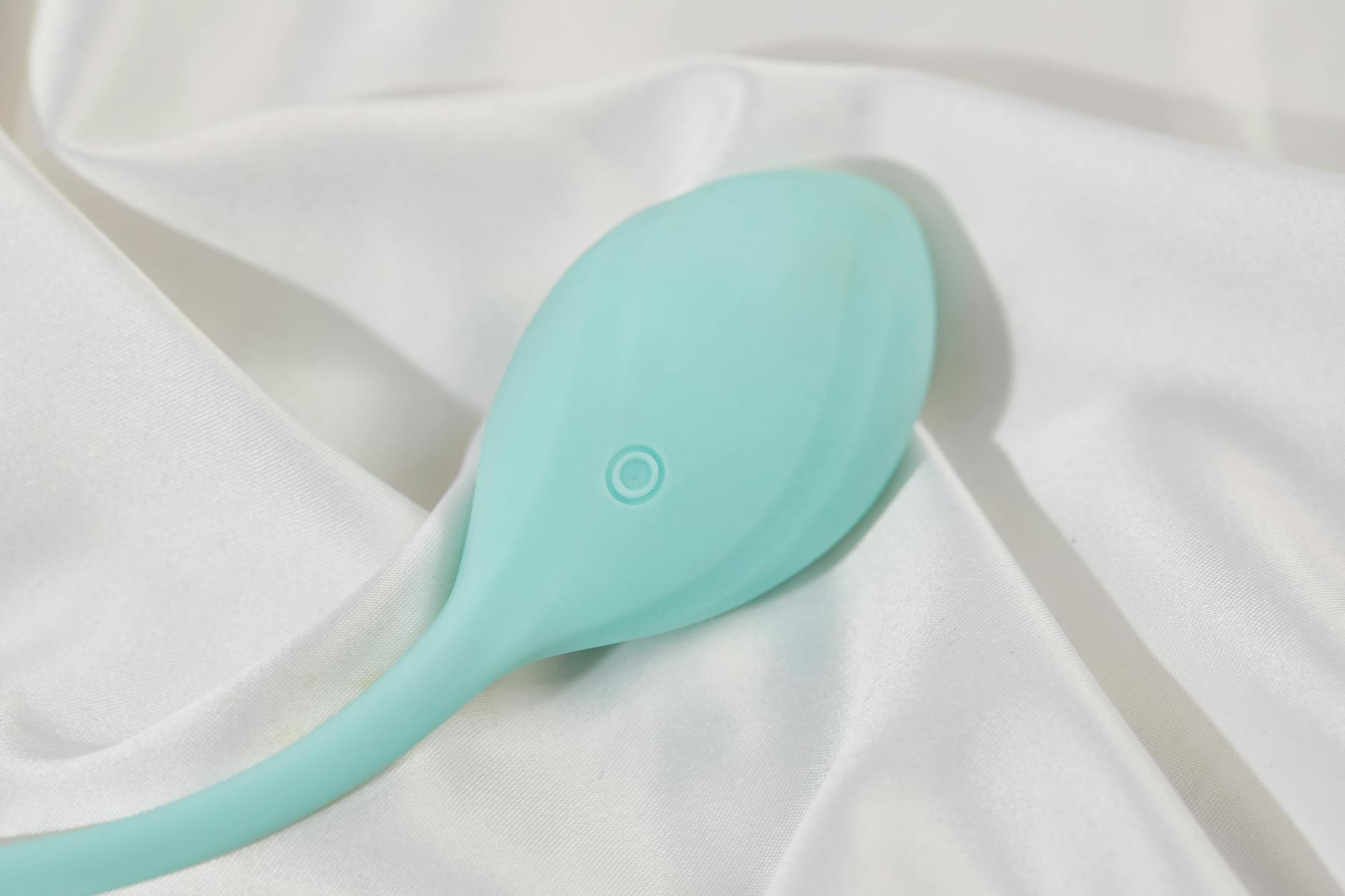
Here's what nobody tells you about vibrator intensity
You'd think more vibrations equals more pleasure. That's the logic most people bring when they start shopping for a lemon clitoral vibrator. But intensity isn't actually a pleasure metric. It's a sensation variable. And there's a massive difference between the two.
I've worked with hundreds of people navigating pleasure and sensitivity, and the most common mistake isn't picking something too weak. It's picking something too strong and then deciding they "don't respond" to vibrators.
The nerve science behind vibration frequency
Your clitoris has around 8,000 nerve endings concentrated in a space the size of a pea. These nerves respond to specific frequencies in wildly different ways. This is why some people light up at a gentle buzz while others need something closer to a rumble.
When you press a lemon vibrator against your skin, you're not just triggering pleasure receptors. You're activating multiple types of sensory neurons simultaneously. Some respond to high frequency (the fast, buzzy vibrators you see everywhere). Others respond better to lower frequency but deeper amplitude. That's the rumble.
Here's the thing that matters: your nervous system has a threshold. Below it, nothing happens. Hit it just right, and you get a focused sensation. Push past it, and your body doesn't double the pleasure. It actually desensitizes. The nerves fatigue and stop responding. You've gone numb, not euphoric.
That's why intensity matters so much more than you'd think.
Why high intensity isn't the same as high pleasure
There's this cultural narrative that the strongest vibrator wins. It doesn't. I've seen people spend $200 on a powerful lemon sexual toy, use it on the highest setting, numb out completely, and conclude that vibrators "just don't work" for them.
The problem isn't them. It's intensity being confused with effectiveness.
When you overpower your nerve endings, two things happen. First, your nervous system habituates. The more intense the stimulus, the faster you adapt to it. After 30 seconds on maximum power, your body barely registers it anymore. You have to keep cranking it up or switch it off.
Second, high intensity triggers the pudendal nerve's pain response at the same time it triggers pleasure. You might feel a buzzy discomfort that your brain misinterprets as "this isn't working for me" rather than "this is too much."
The best lemon clitoral vibrators, like the Hello Nancy Lem, aren't built to compete on raw power. They're built with multiple intensity levels specifically because intensity is a tool you adjust, not a fixed setting.
What actually changes with different intensity levels
Let's break down what happens at each point on the intensity dial.
Level 1-2 (Light buzz). This is where most people should start, even if they think they want something stronger. Light intensity activates your nerve endings without desensitizing them. You're building arousal, not chasing immediate sensation. This is where you discover what your body actually responds to, not what you think it should.
Level 3-4 (Medium pulse). This is the sweet spot for most people during extended sessions. You get consistent stimulation without fatiguing the nerves. You can stay here for 10, 20, even 30 minutes without numbing out. This is where orgasms actually happen for a lot of people, not at maximum power.
Level 5+ (High intensity). This is finishing territory. You use it briefly, usually near the end when you're already highly aroused. Your nerve threshold is different when you're already partway there. What felt overwhelming at level 5 when you were at baseline feels perfect when you're close to climax.
The people who get the most out of lemon adult toys understand this progression. They're not looking for the strongest vibrator. They're looking for one with good intensity range and precision.
Sensitivity changes everything
Intensity matters completely differently if you have sensitive skin or a highly responsive vulva. Some people's clitorises light up at the gentlest touch. Others need real power to feel anything.
This isn't about broken bodies or normal bodies. It's variation. Actual, biological variation.
If you have high sensitivity, you're probably reaching for lower intensity settings and shorter durations. Your nervous system responds fast. You don't need to overpower it. What you do need is smooth, consistent vibration at levels 1-3 on a quality lemon vibrator.
If you have lower sensitivity, you might be naturally drawn to higher intensity. But here's the tactical move: don't jump straight to maximum. Start where you think you need to be, then back it down 20 percent. See if that works. Most people find that what they actually need is one or two levels lower than their first instinct.
The lem vibrator is particularly good here because it has enough range that you're not stuck choosing between "barely perceptible" and "overwhelming."
How to actually test intensity for your body
Don't guess. Experiment deliberately.
Start with your lemon clitoral vibrator at level 1. Spend a full minute there. Really notice what you feel. Not what you think you should feel. Not what you've read others feel. What actually happens in your body. Your mind might be bored. Your nerve endings might be waking up.
Move to level 2. Another minute. Is it noticeably different? Does it feel better, or just different? Stay there long enough to know.
Work your way up in single-level increments. You're looking for the point where sensation feels focused and consistent, not numb and not overwhelming. That's your baseline setting for that day, in that context.
Here's the counterintuitive part: your ideal intensity will shift. It changes with your menstrual cycle if you have one. It changes with stress levels, sleep, hydration, even what you ate that day. Some sessions you're at level 3. Other sessions you need level 5. Both are normal.
If you approach intensity as a dial to adjust rather than a finish line to reach, everything changes.
The role of vibration pattern, not just power
Intensity is half the story. Pattern is the other half, and it's criminally overlooked.
Some lemon sexual toys pulse. Some rumble. Some layer multiple frequencies at once. The pattern actually influences how your nervous system responds more than raw intensity does.
A gentle pulsing pattern at level 4 might feel better than steady vibration at level 6. A deep rumble at lower intensity might unlock things that a high-frequency buzz never will.
The best lemon vibrators offer both intensity control and pattern variation. When you can layer them, you're not just choosing "strong" or "weak." You're choosing the exact combination your body responds to.
When intensity becomes a communication tool
If you're with a partner, intensity becomes a shared language. "Level 2 for me usually" becomes easier to understand than "something gentle." Partners can adjust without guessing. Solo, you can track what works: "Level 3, pattern 2, lasts about 15 minutes" becomes your blueprint.
This is why the best lemon clitoral vibrators have clear, simple intensity levels. Not a confusing wheel that goes from 1 to 30. A simple dial where you know exactly where you are.
The final thing about intensity that matters
Intensity is not a measure of your responsiveness. It's a variable you control. High sensitivity doesn't mean you're broken. Low response to maximum power doesn't mean vibrators don't work for you. It means you haven't found your sweet spot yet.
Most people who think vibrators "just aren't for them" are actually running them too hard. They've numbed out before they've had a chance to really feel.
The right intensity for you is the one where pleasure stays responsive. Where you can stay present. Where you're not chasing sensation or fighting overstimulation. That might be level 2. That might be level 5. It's your baseline, and it's worth finding.
FAQs
Does higher intensity mean stronger orgasms?
No. Stronger orgasms come from sustained stimulation at the right intensity for your body, not from raw power. Most people report their best orgasms happen at medium intensity, not maximum. High intensity works well for finishing quickly, but depth and intensity aren't the same thing.
Can you damage your clitoris by using a vibrator on high?
You can't structurally damage it, but you can desensitize the nerve endings through overuse and overstimulation. If you use maximum intensity for 30 minutes daily, you'll likely need higher intensity to feel anything over time. Start lower and work up as needed, not the other way around.
Why does my lemon vibrator feel good at first but then goes numb?
That's habituation. Your nervous system adapted to the stimulus. Solution: take a 5 to 10 minute break, or switch to a lower intensity setting. Your sensitivity will come back. This is why intensity range matters so much. You can drop down and reset without stopping entirely.
Is there a "right" intensity level for everyone?
Absolutely not. Intensity needs are influenced by genetics, sensitivity, cycle timing, stress, and arousal level in the moment. Someone's perfect setting today might be completely different next week. The goal is flexibility, not a fixed number. That's why you want a vibrator with a smooth intensity range, not just one locked setting.
Should I start with the lowest intensity?
Yes. Always start lower than you think you need. You can always go up. Going down from overstimulation is harder. Starting low also helps you actually feel what's happening instead of being flooded with sensation. Give yourself permission to notice subtle responses.
How do I know if a vibrator is too intense for me?
You feel numb after a few minutes instead of more aroused. The sensation becomes uncomfortable rather than pleasurable. You need to keep increasing intensity to feel anything. You feel a buzzy, almost prickly sensation rather than focused stimulation. These are all signs the intensity is wrong, not that vibrators don't work for you.
What's next
Intensity matters, but it's just one piece. If you're choosing between lemon sexual toys, consider what intensity range they offer, not just maximum power. And if you've tried vibrators and they didn't work, try again at lower intensity. You might be surprised what you've been missing by going in too hard.
Want to explore more about how to use a lemon clitoral vibrator effectively? Check out our guide on best vibrator settings for different types of orgasms or dive into why lemon vibrators work better for sensitive skin. And if intensity and sensitivity questions keep coming up for you, reach out to our team. We're here to help you find what actually works.