How Lemon Vibrators Rebuild Intimacy After Infidelity and Broken Trust
Physical reconnection after betrayal isn't about forcing passion. It's about creating safety, honoring what was lost, and giving both partners permission to feel good again.
Infidelity breaks something specific. Not desire, not attraction, not the capacity for pleasure. What it breaks is the assumption that your body is safe with theirs. The vulnerability that sex requires. The belief that desire means something.
Physical reconnection after betrayal is absolutely possible. I've watched countless couples rebuild real, satisfying sex after infidelity. But it doesn't happen the way most people think it does. It doesn't happen through performance, conversation alone, or forcing yourself back into bed. It happens when both partners have permission to feel good without that goodness meaning forgiveness.
This is where tools like lemon vibrators change the conversation entirely.
Most couples try one of two things after infidelity. The first is avoidance: they don't touch for months, and then one day someone initiates and it feels like an obligation. The second is overshooting: they throw themselves into passionate makeup sex, which can feel validating in the moment but doesn't actually rebuild trust. Both strategies skip the real work, which is relearning how to be vulnerable with each other in a body context.
There's also a third trap. The unfaithful partner often tries to prove themselves through sex. They chase intensity, enthusiasm, anything that looks like "I'm invested." But this performs desire instead of building it. And the betrayed partner often complies to avoid more conflict, which creates a feedback loop of hollow intimacy.
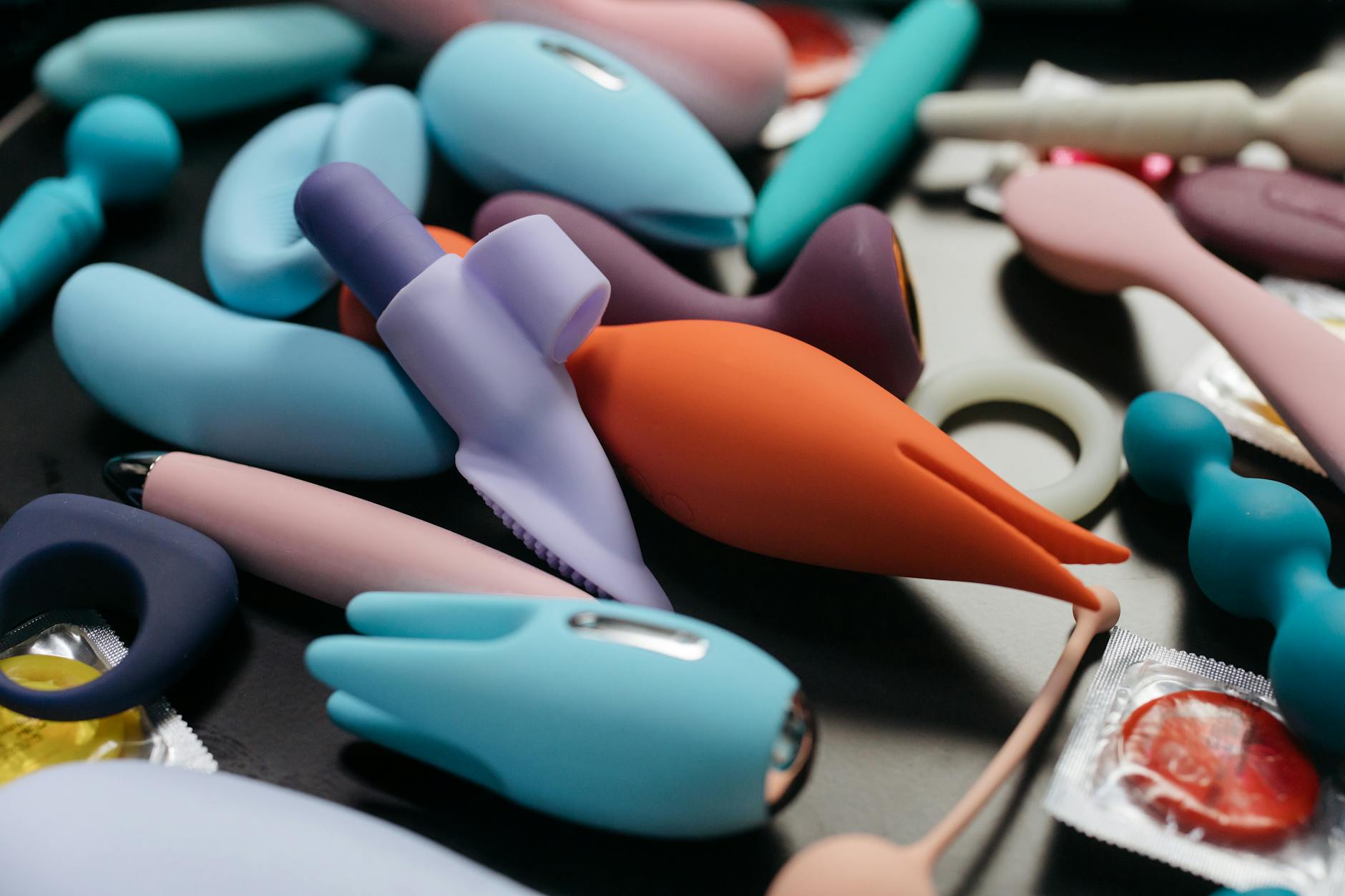
Clitoral vibrators like the Lem introduce a completely different dynamic. They make pleasure visible, intentional, and separate from the relationship's pain story. When one partner uses a lemon vibrator, they're not performing recovery. They're giving themselves something real.
Most of the time, both people are so focused on the betrayal that pleasure feels disloyal, or selfish, or premature. The unfaithful partner feels they don't deserve it. The betrayed partner feels it would be a betrayal of their own hurt. So both people exist in a kind of sexual desert.
Introducing a clitoral vibrator breaks this paralysis. It says: You get to have pleasure independent of whether the relationship has fully healed. Your body gets to feel good even while your heart is still processing the breach. These are not the same thing.
When one partner uses a lemon vibrator solo, or when both partners introduce it into partnered play, something shifts. The vibrator becomes a neutral third thing. It's not about him or her. It's about sensation, about the body remembering that it can feel good. And that matters, because healing intimacy doesn't start with trust being fully restored. It starts with both people believing their own pleasure is worth pursuing.
I often recommend starting solo. Both partners take time with the vibrator independently, in privacy. The betrayed partner reconnects with their own sexuality without the pressure of it meaning something toward the relationship. The unfaithful partner does the same. You're both getting reacquainted with pleasure as an individual thing, not a couple thing. Not yet.
When couples move toward partnered use, the emotional containers matter more than the physical technique.
First, explicit permission. I mean this literally. "I want to use the lemon vibrator during sex with you. I'm not doing this because I don't find you attractive. I'm doing this because I want to feel good, and my body responds to this kind of stimulation. Are you willing to be part of that?"
Second, explicit non-requirement of performance from the unfaithful partner. If the betrayed partner uses a clitoral vibrator, the other person's job is not to prove they're excited about it. Their job is to be present, to watch, to make space for someone they hurt to have pleasure anyway. This is radical. Most people find this harder than the actual sex.
Third, no rush to orgasm. After infidelity, many couples speed through sex to "check the box" and move on. Vibrators actually slow things down. They require attention. They require someone to stay with the sensation instead of racing toward an ending. This reintroduces the very thing infidelity typically damages: sustained attention and presence.
When both partners are in the room with a clitoral vibrator between them, something symbolic happens. The vibrator becomes a focus object. It's easier to concentrate on sensation than on the massive emotional content of the room. The betrayed partner gets to feel good. The unfaithful partner gets to witness that goodness, which is different from earning it. Both get to be in their own body instead of performing for the other.
Over time, this repeated permission to feel good together starts to rebuild safety. Not because the infidelity is erased, but because the body learns: I can be vulnerable again, and I can have pleasure, and the person I'm with can hold both of those things.
I've had clients tell me that using a lemon clitoral vibrator together was the first time since the betrayal that sex felt honest instead of strategic. Not because the vibrator itself healed anything, but because it made the body's reality more important than the emotional narrative for a little while.
If you're considering this, here's how I recommend structuring it.
Week one. Both partners explore solo. Privacy, no sharing of details, no performance. Just reconnection with sensation.
Week two through three. Conversations about what felt good, what was surprising, what texture or rhythm your body responded to. Not sexy conversations. Clinical ones. This builds vocabulary around pleasure that has nothing to do with the relationship's breach.
Week four. The person who is most ready initiates partnered use. Not both partners simultaneously. One person uses the vibrator while the other is present. The unfaithful partner should go second here. Watching builds empathy.
Week five onward. Develop a rhythm that works. Some couples use vibrators regularly. Some occasionally. The key is that it's mutual choice, not obligation or atonement.
Throughout all of this, individual therapy is non-negotiable. A clitoral vibrator is not a replacement for processing the breach. It's a tool for allowing the body to have joy while the mind is still doing the harder work of trust rebuilding.
One of the most misunderstood parts of infidelity recovery is that pleasure is somehow a sign you've moved on, or that you didn't care enough about the breach. This is backwards. Pleasure is how the body says: I'm still here. I'm still alive. I still want to feel good even though I'm hurt. That's not forgiveness. That's survival.
Using a lemon vibrator after infidelity isn't about saving the relationship. It's about saving yourself. And paradoxically, that's often what makes the relationship salvageable in the first place. When both partners can access their own pleasure independently, and then bring that toward each other, the dynamic changes. The betrayed partner isn't performing forgiveness. The unfaithful partner isn't performing redemption. Both are just people with bodies that deserve to feel good.
Trust rebuilds slowly, over years, through consistent action and vulnerability. But pleasure can return faster. And that matters. Because a body that only feels pain becomes a body that can't forgive. A body that remembers it can feel good becomes a body that can eventually trust again.
No. In fact, it's often the opposite. Couples who are able to reintroduce pleasure, separately and together, are typically the ones who choose to stay and do the work. The couples that struggle most are the ones who avoid sex entirely, because that avoidance becomes another wall between them.
That depends on the couple. I usually recommend at least 3-4 months of individual therapy and honest conversations about the breach before introducing this. You need some foundational work done first. Rushing into partnered pleasure before processing the pain just buries the pain deeper.
Then you need a different bridge. Some couples reconnect through other kinds of touch, different positions, or different locations. The vibrator is one tool among many. What matters is that you're intentionally creating space for pleasure to return. If your partner refuses all forms of sexual reconnection, that's a different problem, and it might signal that the relationship repair isn't viable yet.
It can, initially. If the betrayed partner feels like the vibrator is replacing them, or if the unfaithful partner uses it to avoid presence, yes. But that's why the communication beforehand is so important. The vibrator isn't replacing anything. It's supplementing. It's saying: I want both of our bodies to feel good. That's actually the opposite of infidelity, which is typically about seeking something outside.
Check in afterward. Not during. Both partners should be able to say: Did that feel good? Did that feel safe? Did that feel honest? If the answer is no to any of those, don't repeat it. Healing isn't linear, and sometimes what works one week doesn't work the next. Flexibility matters more than consistency right now.
Then you're not ready yet, and that's completely legitimate. Rebuilding sexual safety after infidelity can take years. Using a vibrator might actually help you get there, or it might be something you do much later. Your timeline is the right one. The worst thing you can do is force yourself into pleasure before your nervous system believes your body is safe. That just compounds the trauma. Work with a trauma-informed therapist on the underlying safety piece first.
Infidelity destroys the story you told yourself about your relationship. Rebuilding doesn't mean erasing that destruction. It means building something different on top of it. That new structure has to account for the pain, the anger, the loss of innocence. It also has to make room for the body to feel good again, because a body that's only grieving can't heal.
Clitoral vibrators, lemon vibrators included, are part of that rebuilding. Not because they're magic. Because they make pleasure visible, intentional, and separate from the relationship narrative for a little while. They give both partners permission to feel good without that goodness meaning the breach is forgiven. They reintroduce the possibility that pleasure and trust can coexist.
If you're in this situation, the most important thing isn't whether you use a vibrator. It's that you're choosing to stay present with your own body and your partner's, even when it's terrifying. Everything else follows from that choice.