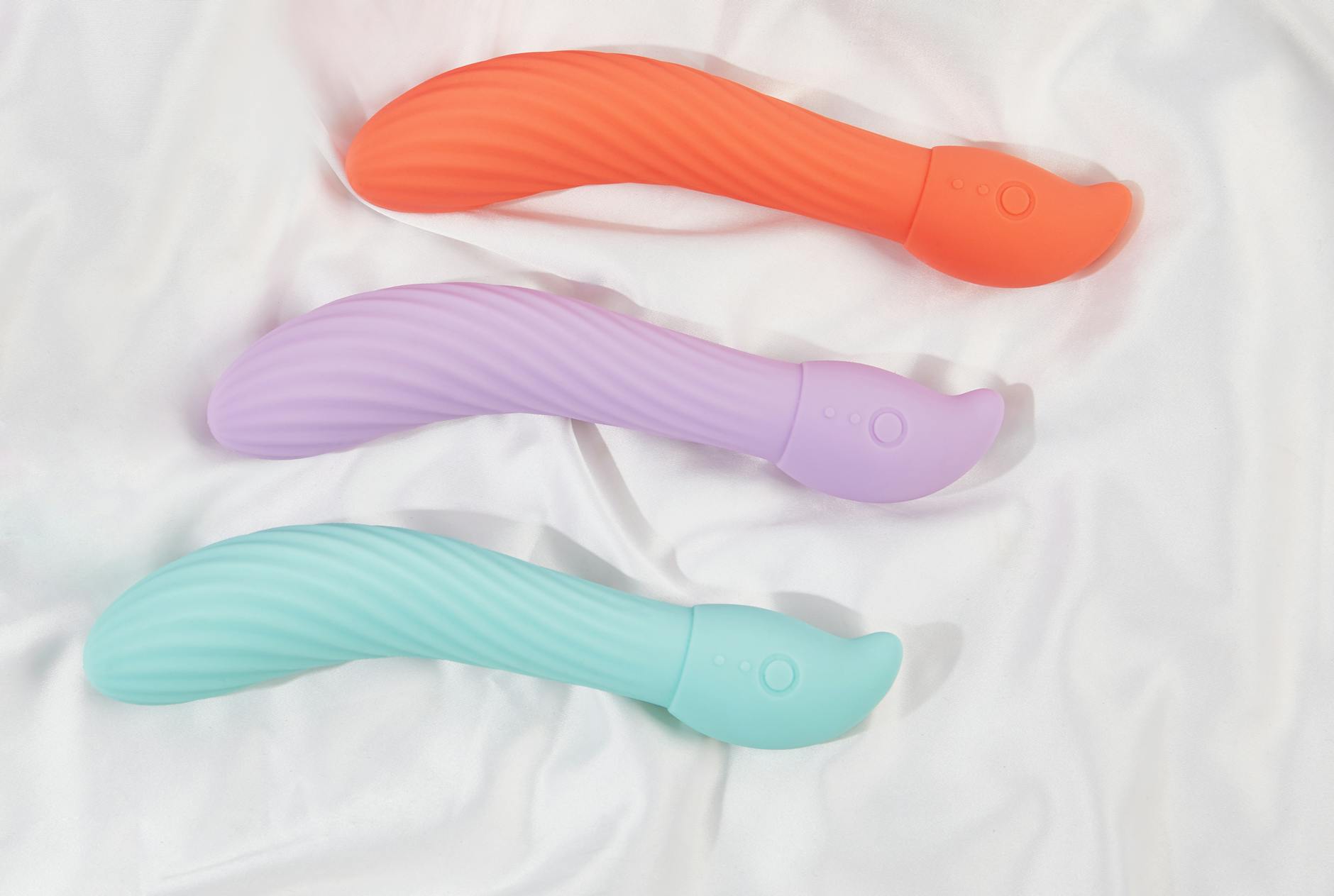
The thing nobody tells you about psychiatric meds and pleasure
Antidepressants, anti-anxiety medications, and mood stabilizers save lives. They also, very often, flatten sexual response. Your libido quiets. Arousal takes longer. Orgasm becomes harder to reach, or feels muted when it arrives. And here's what makes it worse: you can't just stop taking them to get your pleasure back. Your mental health is not negotiable.
So you're stuck between two things you need, and nobody's given you a real map for that territory.
I've worked with hundreds of clients navigating this exact tension. The good news is that dampened sensation from psychiatric medication is not permanent, not irreversible, and absolutely workable. You can rebuild pleasure without abandoning your mental health.
Why psychiatric meds affect sexual response in the first place
Most commonly, it's SSRIs. Selective serotonin reuptake inhibitors work by keeping more serotonin available in your brain, which steadies mood and quiets anxiety. But serotonin pathways also regulate sexual arousal and the motor signals that trigger orgasm. Higher serotonin equals calmer mood. It also equals slower sexual response.
Other medications do similar things via different routes. Some antipsychotics, mood stabilizers like lithium, and certain blood pressure medications all have sexual side effects. The mechanism varies, but the outcome is often the same: sensation feels blunted, arousal takes longer, orgasm requires more effort.
Here's what doesn't change. The clitoris still has the same nerve density. Your brain still has the capacity for pleasure. The neural pathways for arousal are still there. They're just... slower to activate.
That slowness is actually where tools like a lemon clitoral vibrator become genuinely useful. Not as a workaround for broken sexuality, but as a way to meet your body where it actually is right now.
The real timeline for rebuilding sensation
If you've recently started antidepressants or increased your dose, expect 2-4 weeks before sexual side effects fully settle. Then expect another 4-8 weeks of gradual adaptation as your body adjusts to the new baseline.
But here's the detail that matters: adaptation and recovery are two different things. Some people's sexual response bounces back naturally. Others plateau at a new baseline that's slower or less intense than before medication. That's not a failure. It's data about your current physiology.
Working with sensation tools during this timeline, rather than waiting passively, actually speeds up reconnection to your body. Think of it as active recovery rather than passive hoping.
How a lemon vibrator specifically helps when you're on psychiatric meds
Four reasons:
1. Suction doesn't require arousal to feel good. Clitoral suction stimulation like the Lem works through air-pulse technology that bypasses the usual arousal cascade. You don't need to be already turned on for it to feel pleasurable. This matters enormously when meds have slowed your warm-up time from five minutes to thirty.
2. Consistent intensity cuts through numbness. When sensation is dampened, inconsistent or light stimulation can feel almost nothing at all. A lemon vibrator delivers steady, measurable intensity that your nervous system can actually register, even when meds have turned the volume down.
3. Novelty reactivates attention. Your brain habituates to sensation quickly, and psychiatric meds can accelerate that habituation. A new tool, used intentionally, resets that attention. The Lem's unfamiliar sensation pattern actually helps your nervous system re-engage.
4. You control the timeline. Oral sex, partnered sex, most traditional approaches come with timing expectations built in. A clitoral vibrator lets you explore your own timeline without pressure. You can spend 45 minutes if that's what your body needs. You can start slow and build. No one's waiting.
The technique adjustments that actually work
If you're taking SSRIs or similar medication, four shifts in approach will help rebuild sensation faster.
Start much earlier in the evening. Medication side effects often hit hardest at night, and your energy reserves matter. Explore pleasure earlier in the day when your medication levels are lower and your nervous system has more available juice. This isn't cheating. It's smart scheduling.
Abandon the orgasm goal temporarily. The harder you chase orgasm when it's already delayed, the more mental effort you pour into it, and the further away it gets. Set a different win: "I'm exploring sensation for 20 minutes." Full stop. Notice what feels good. Orgasm happens or it doesn't. Both are fine.
Use the lowest setting first. The urge with dulled sensation is to crank intensity immediately. Resist it. Start on setting 1 or 2 with a lemon vibrator. Let your nervous system register the sensation. Many people find that building from low intensity actually reaches orgasm faster than jumping to high intensity.
Combine with mental focus. Psychiatric meds often come with cognitive side effects too, which means your attention is scattered. Pair the vibrator with an intentional mental practice: fantasy, erotica you're reading aloud, a partner narrating, anything that anchors your attention. Your brain needs to do half the work.
When to talk to your prescriber about this
If sexual side effects appeared after you started medication and have lasted more than 8-12 weeks, it's fair game to discuss with your psychiatrist. You have options.
Some people switch to a medication with fewer sexual side effects. Bupropion (Wellbutrin), for example, rarely causes sexual dampening. Mirtazapine sometimes improves libido. Other times, a small dose adjustment or timing shift helps. Taking your SSRI at a different time of day can sometimes reduce sexual side effects.
Other people add a medication that counteracts sexual side effects. Buspar or bupropion are sometimes used as add-ons for this reason.
The point: this is a real side effect. Your prescriber has heard this before. You don't have to accept it as permanent trade-off.
Solo exploration with the Lem as part of medication adjustment
If you're working with your doctor to find the right medication or dosage, using a lemon vibrator during that process actually gives you objective data. You're not just saying "my libido feels lower." You can notice: "With the Lem on setting 2, I feel sensation returning after three weeks of nothing." That concrete observation helps your prescriber understand what's happening and whether the current approach is working.
Many people find that routine solo pleasure practice with a reliable tool like a lemon clitoral vibrator helps their body stay engaged with sexual response during medication transitions. It's preventative. It's active. It's not waiting around for your body to spontaneously wake up.
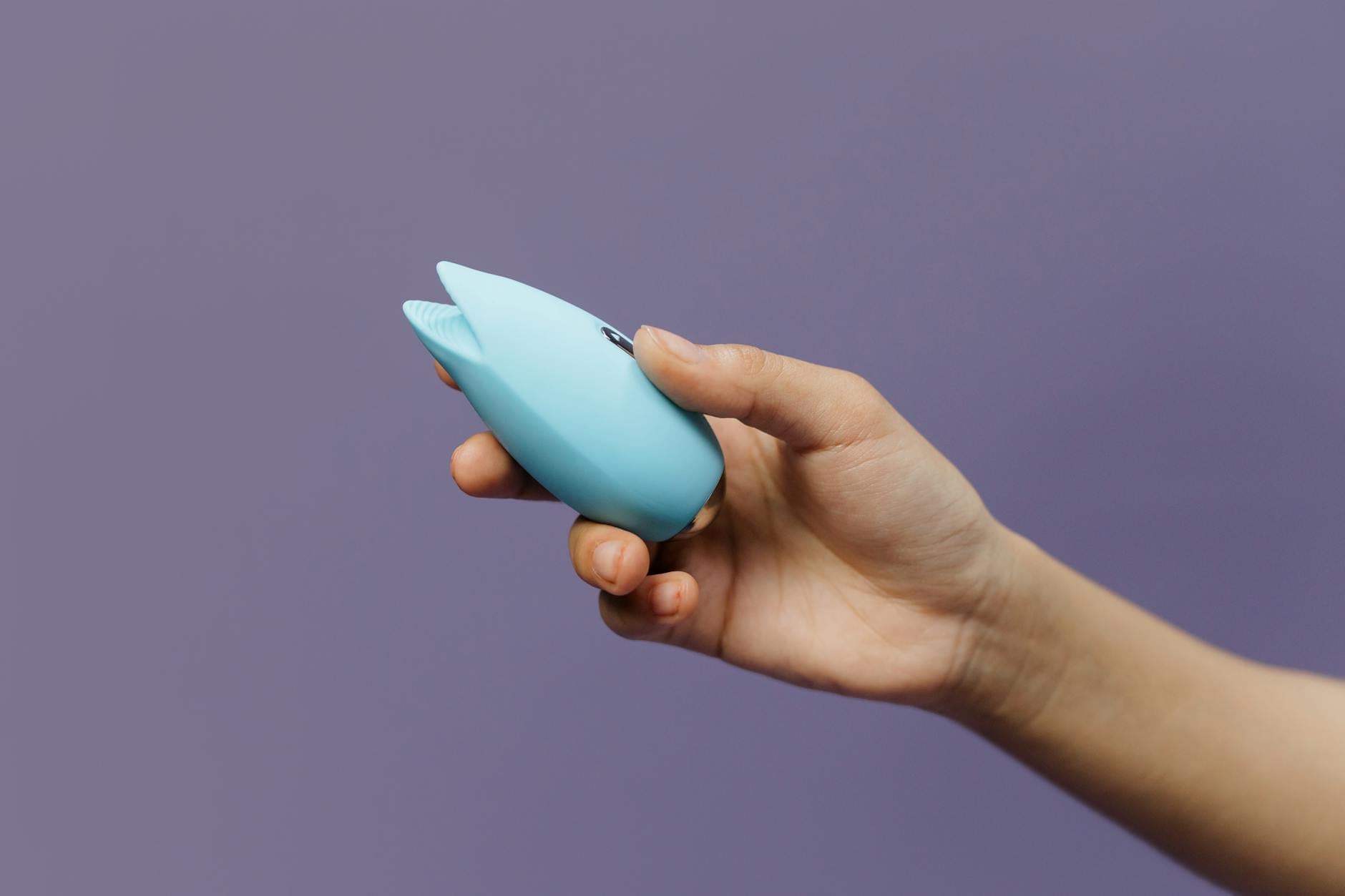
Photo by cottonbro studio on Pexels
What partnered exploration looks like when you're on psychiatric meds
If you have a partner, this is worth a separate conversation. Their job is not to "fix" your sexual response. Their job is to understand that your medication has changed your timeline and needs, and to meet you there without resentment.
Many couples find that introducing a lemon sexual toy removes pressure from partnered sex. Instead of "we need to have sex and I need to orgasm," it becomes "we're exploring sensation together with a tool that works for my body right now." That shift alone reduces the performance anxiety that psychiatric meds often amplify.
Your partner doesn't need to use the vibrator. They need to understand that you're not broken, your pleasure still matters, and the two of you are problem-solving together rather than one person waiting for the other to "get better."
When sensation starts returning, what to expect
As your body adapts to psychiatric medication, or as you and your prescriber find the right dosage, you'll notice sensation creeping back in phases.
First, usually, is background arousal. You'll start noticing random moments of want or interest that weren't there before. Then comes responsiveness. A vibrator that felt like nothing will suddenly feel like something. Then comes intensity. And finally, usually last, comes the speed of response. Orgasm still might take longer than pre-medication, but the path to it becomes visible again.
This isn't linear. You'll have a good week, then a flat week. That's normal. Medication response fluctuates. Sleep, stress, your menstrual cycle if you have one, relationship tension, all of it affects sexual response more when you're on psychiatric meds.
The permission you actually need
Here's what I tell every client navigating medication and pleasure. Your psychiatric medication is not the enemy of your sexuality. It's the condition that allows you to have a self stable enough to care about sexuality at all. Choosing mental health stability over effortless orgasm is not a loss. It's a trade you made because you're alive and you matter.
But that doesn't mean you abandon pleasure. It means you get creative. You adjust. You use tools like a lemon vibrator, you communicate with partners, you talk to your doctor, you learn your new body's timeline.
Your pleasure is not negotiable just because your neurobiology changed. It's renegotiable. And that's a conversation worth having.
People also ask
Can I use a lemon vibrator on SSRIs?
Yes. In fact, a clitoral vibrator can be especially helpful when you're on SSRIs because it delivers reliable stimulation that doesn't depend on your arousal cascade being quick. Start on a lower setting and give your body time to respond. Many people find that combining the vibrator with a relaxed mindset (no orgasm goal pressure) helps rebuild sensation faster than waiting passively.
Will my sexual side effects go away if I wait longer?
Maybe. Some people's bodies adapt naturally to psychiatric medication within 3-6 months and sexual response improves on its own. Others plateau at a new baseline that's slower or less intense. There's no way to predict which path you're on. If you've been on your current medication for 8+ weeks and sexual side effects are still significant, it's worth talking to your prescriber about next steps instead of just waiting.
Should I stop my antidepressant to get my libido back?
No. Stopping psychiatric medication because of sexual side effects often backfires. Your mental health crashes. Your anxiety or depression returns. And your sexual response disappears anyway because you're struggling. The right move is working with your prescriber to find a medication or dosage that works for both your mental health and your sexual wellbeing.
Does medication-related numbness feel different from other kinds of dampened sensation?
Yes, sometimes. Medication-related numbness often feels like sensation is turned down but still present, like you're experiencing things through thick glass. Other causes of dampened sensation (trauma, relationship issues, low blood flow) might feel more like complete flatness or no interest at all. The distinction matters because treatment approaches differ. A good conversation with your doctor can help clarify what you're actually experiencing.
How long does it take to feel pleasure again after starting a lemon vibrator?
For many people on psychiatric medication, the first noticeable shift happens within a few sessions. You might notice that the vibrator feels good on setting 2 where it felt like nothing before. Or that you orgasmed after 30 minutes instead of impossible. Full return of pre-medication sensation usually takes months, not weeks. But observable improvement often comes much faster when you're actively exploring with a tool rather than waiting for spontaneous recovery.
Can my partner help rebuild sexual sensation if I'm on psychiatric meds?
Absolutely, but in specific ways. A partner can help by removing pressure (no expectations about frequency or duration), by understanding that your timeline has changed (warm-up takes longer), and by being willing to use tools together like a lemon clitoral vibrator that work with your body's current needs rather than against them. What doesn't help is a partner trying to "fix" your response or resenting the slowness. The best approach is collaborative problem-solving.
Your next step
If psychiatric medication has dampened your pleasure and you've been waiting for it to spontaneously return, that wait might not pay off. Your body is not broken. It's adjusted. And adjusting back requires active exploration, not just time.
Start a conversation with your prescriber about whether your current medication is the right fit, or whether a small dosage shift might help. Then start exploring with intention, using tools like a lemon vibrator that meet your body where it actually is. Your mental health is non-negotiable. Your pleasure isn't either.
Have questions about how to navigate this? Reach out. We're here to help.