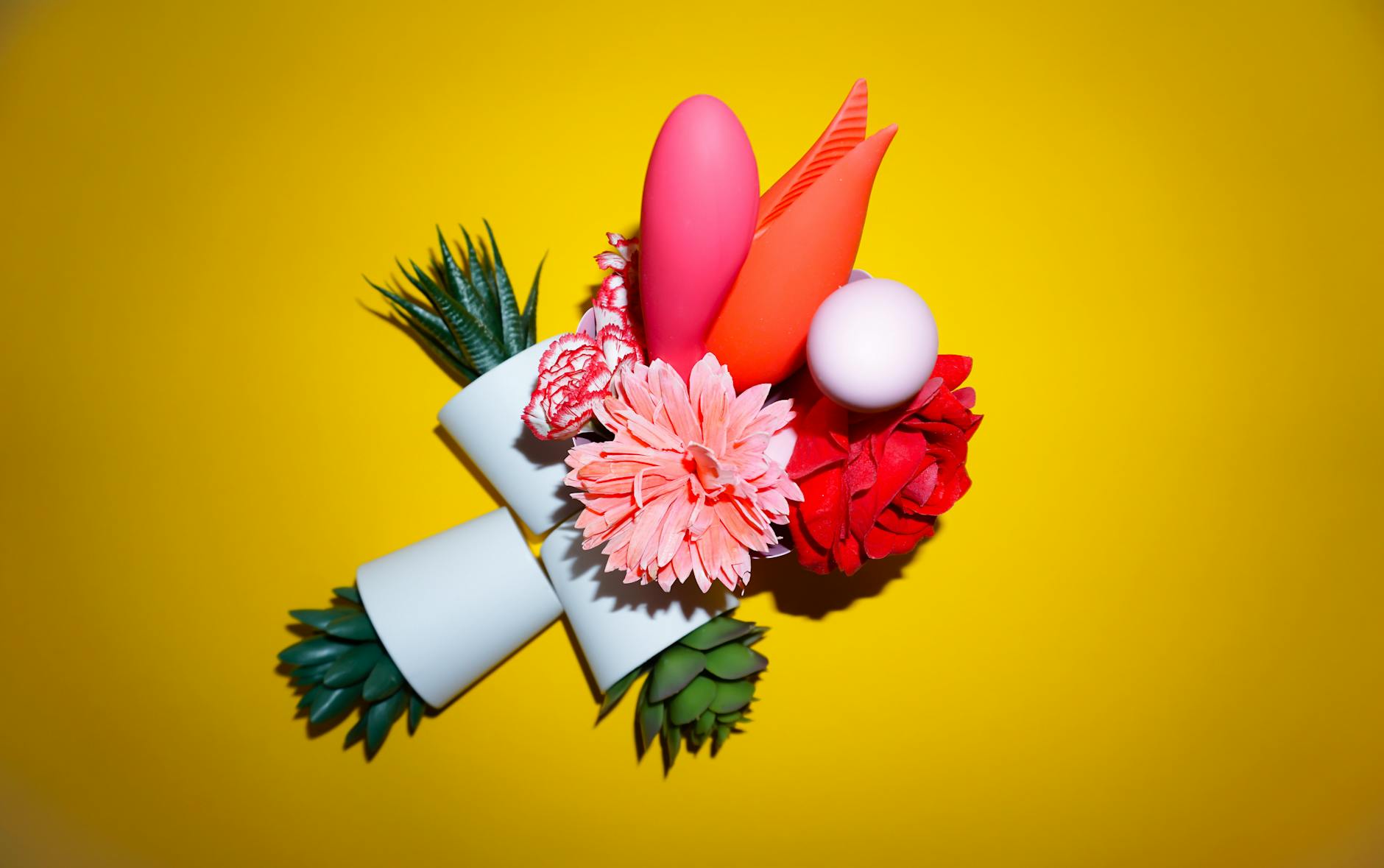
The gap between healing and desire
Your doctor cleared you. Your energy's back. You feel like yourself again. So why does pleasure feel like you're touching someone else's body?
This is the part of recovery nobody talks about. Physical healing and sexual healing are not the same timeline. Your tissues are fine. Your mind knows you're okay. But your nervous system is still suspicious. And your body's forgotten how to respond.
What happens to pleasure during illness and recovery
When you've been sick or injured for weeks or months, your body's arousal system basically goes into hibernation. This isn't laziness or lost desire. It's survival.
During illness, your nervous system prioritizes healing over pleasure. Blood flow that would normally rush to your genitals during arousal gets redirected to fighting infection or repairing tissue. Your brain, exhausted from managing pain or fatigue, stops sending the chemical signals that trigger sexual response. Dopamine, the neurotransmitter tied to motivation and pleasure, dips. Cortisol, the stress hormone, stays elevated.
The result: numbness. Not deadness, but a muffled quality. You touch yourself and feel pressure, but not electricity. A lemon clitoral vibrator works, physically, but something's missing.
Then recovery starts. You heal. But your nervous system doesn't flip back to baseline overnight. It's cautious. It's checking to see if the threat is really gone.
Why sensation feels different now
Three physiological layers are working against you as you rebuild:
1. Your nervous system is still in protection mode. During illness, your para-sympathetic nervous system (the one that allows arousal) steps back. Your sympathetic nervous system (fight-or-flight) takes over. Even after you're medically cleared, your body needs permission to believe it's safe again.
2. You've lost touch with body awareness. When you're sick, you stop noticing your body except as a source of discomfort. You dissociate from sensation as a survival strategy. Reconnecting with pleasure means re-inhabiting your body, which takes time and intention.
3. Medication can linger. Antibiotics, pain medications, anti-inflammatories, corticosteroids. Even after you stop taking them, their effects on blood flow and neural response can persist for weeks.
The good news: this is entirely reversible. Sensation comes back. Desire resurfaces. But it requires a different approach than you used before illness.
The reset protocol for post-illness pleasure
I work with many clients navigating this exact transition. Here's what works:
Start with non-sexual touch. Before you use a lemon vibrator, spend 5-7 days reacquainting yourself with touch as information, not performance. Shower, feel the water. Moisturize your whole body. Notice texture. This sounds simple, but it's neurologically important. You're teaching your brain that touch is safe again.
Use your vibrator in low-stimulation mode first. If you're using a lemon clitoral vibrator with adjustable intensity, begin at pattern 1 or 2. Not because the device is powerful, but because your nervous system needs to remember what stimulation feels like before ramping up. Spend 2-3 sessions just learning the sensation at lower settings.
Build warm-up time. Allow 20-30 minutes before you use your vibrator. Actual arousal, not rushing. Touch your thighs. Notice breath. Let your nervous system see that pleasure is the goal, not a performance.
Stay in your body. If your mind wanders to worry ("Will it work?" "Is this normal?") or boredom ("This should feel better"), gently return attention to sensation. Not judgment. "I notice my mind wandered. Okay. Back to the feeling of touch." Presence is how you rebuild the neural pathways that illness interrupted.
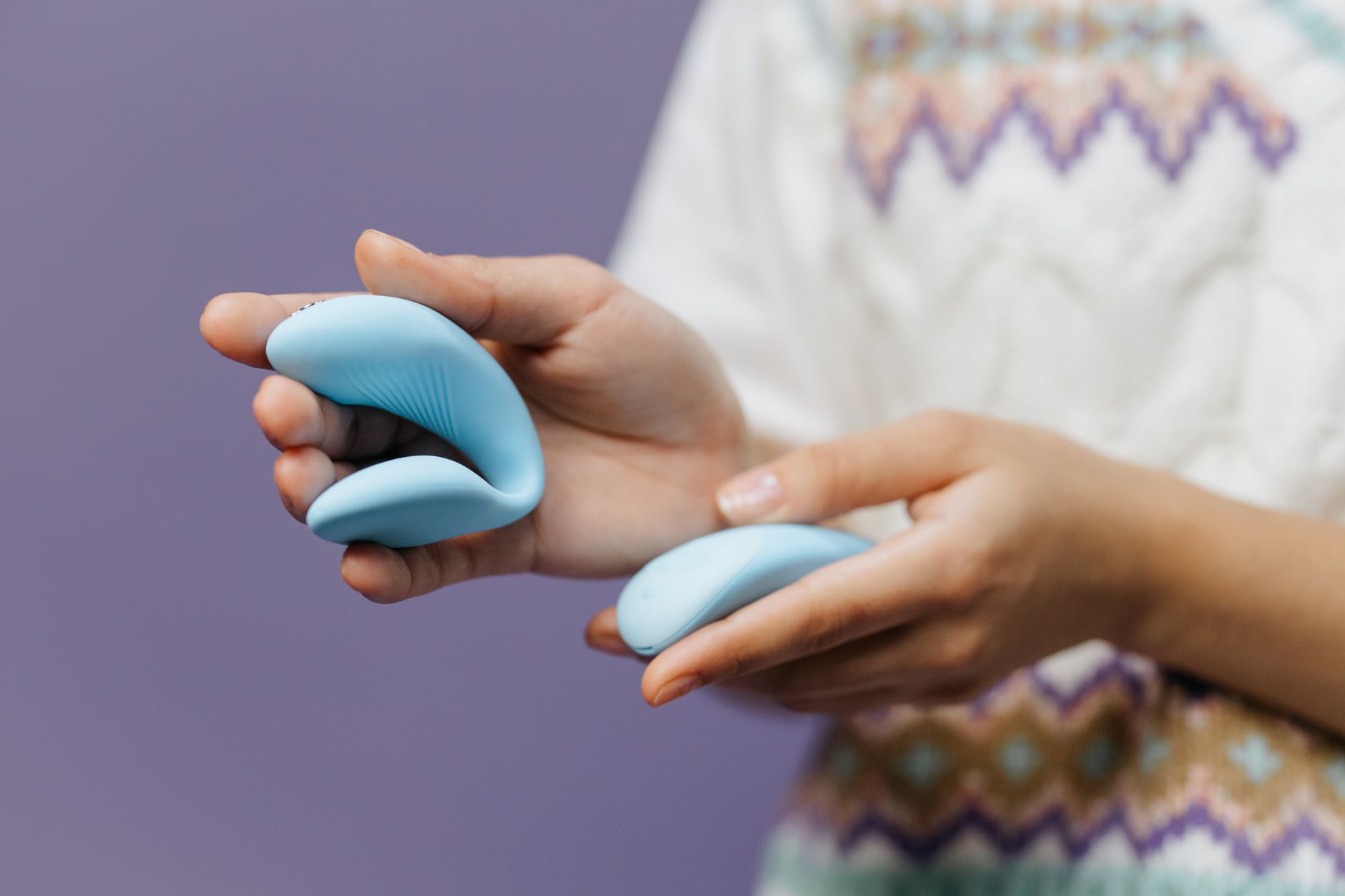
Photo by cottonbro studio on Pexels
Why a lemon vibrator makes sense for recovery
The lemon clitoral vibrator works particularly well during post-illness rebuilding because suction stimulation doesn't rely on direct pressure to feel good. When your tissues are still sensitive from prolonged inactivity, suction creates sensation without friction. It's gentler on your nervous system while still strong enough to register as real stimulation.
This matters because your post-recovery nervous system needs clear feedback. A weak vibration might feel like noise. A lemon vibrator's suction delivers distinct sensation, which helps your brain recognize that arousal is happening.
Reintroducing partnered pleasure
If you have a partner, this is worth a separate conversation from the solo recovery work. Your partner's touch is different from your own or a device. It carries emotional weight, performance pressure, and their own worry about hurting you or doing it wrong.
Here's what helps: tell them exactly what you're doing. "I'm rebuilding sensation right now. I'm using my vibrator, starting slow, for about 20 minutes, with no expectation of orgasm." This removes the pressure for partnered sex while keeping intimacy in the picture. Many partners actually find it relieving to understand the process rather than guessing whether sex is "back on."
When you do reintroduce partnered touch, let them know what sensations are returning fastest. "My thighs feel good when you touch them slowly." "I notice I'm starting to feel arousal when you hold me." This is information for both of you.
What to do if sensation stays muffled
Most people see clear improvement in 2-4 weeks of regular practice with these tools. Some see it faster. But if numbness persists beyond a month of consistent attention, that's worth discussing with your doctor.
Prolonged medication use, certain types of illness (particularly those affecting blood flow or nerve function), or even lingering fatigue can keep sensation suppressed longer. There's no shame in that. It just means you might need additional support. Blood work can check for lingering deficiencies. Pelvic floor physical therapy can help if your tissues are holding protective tension. Talking to a therapist can address any psychological components of trauma from the illness itself.
The key is knowing this isn't permanent. Your pleasure isn't gone. It's just on pause. And the pause will end.
FAQ: Getting desire back after recovery
How long does it usually take for sexual sensation to return after being sick?
Most people feel noticeable improvement in sensation within 2-4 weeks of consistent, intentional practice. Some rebound faster. Others take 6-8 weeks. It depends on how long you were ill, how sick you were, and how much your nervous system has truly downshifted. The key is consistency, not speed. Daily 20-minute sessions rebuild sensation faster than sporadic longer sessions.
Is it normal to feel numb even after I'm healed?
Yes. Completely normal. Your body is still operating under the assumption it needs to prioritize survival over pleasure. This is your nervous system being protective, not broken. Regular gentle stimulation and body awareness practice gradually convince your nervous system that it's safe to feel again. Patience with yourself matters more than pushing.
Should I use my lemon vibrator more intensely to speed up the process?
No. Actually the opposite. Higher intensity can sometimes reinforce numbness because your nervous system interprets aggressive stimulation as a threat, not an invitation. Low-to-medium intensity, consistent sessions, and lots of warm-up time rebuild sensation more effectively. Think of it like physical therapy. Gradual, consistent effort beats aggressive pushing.
Can my partner help reawaken sensation, or should I do this alone first?
Both work. Partnered touch can be helpful once you've done some solo rebuilding, because it adds emotional connection to sensation. But many people find it easier to relearn sensation alone first, without performance pressure. Do solo practice for at least 1-2 weeks, then gradually introduce partner touch if you have one. Let them know you're in a rebuilding phase so they understand it's not about them.
What if I still feel numb after a month of using my lemon vibrator regularly?
That's the time to check in with your doctor. Lingering numbness can indicate you need additional support. Iron deficiency from prolonged illness, hormonal imbalances, medication effects, or even anxiety about your recovery can all suppress sensation longer. A good clinician can help you investigate and address the root cause. Your pleasure matters, and so does figuring out why the path back feels blocked.
Is it okay to have an orgasm even if sensation feels muted?
Yes, absolutely. Orgasms can sometimes actually help rebuild sensation because they flood your nervous system with feel-good neurochemicals. If an orgasm is building, let it happen. Don't force it, but don't stop it either. Many people find that orgasms actually help break through the numbness faster because they remind your nervous system what pleasure actually feels like.
The bridge back to yourself
Recovery doesn't end when the illness does. Your nervous system needs time to trust that the threat is over. Your body needs permission to re-inhabit pleasure as a priority again. A lemon clitoral vibrator, paired with patience and gentle intention, gives you a concrete tool for rebuilding.
You're not broken. You're not less sexual. You're healing. And as you return to full sensation, you might discover that the pleasure coming back feels even richer than it did before. You know now how temporary it is. You know what it feels like to lose it. That knowledge has a way of making pleasure feel deeper.
Start slow. Be consistent. Trust the process. Your body remembers how to feel good. You just need to give it permission and time.
If you're navigating recovery and want support rebuilding intimacy in your relationship, we're here. Reach out to talk through what you're experiencing.