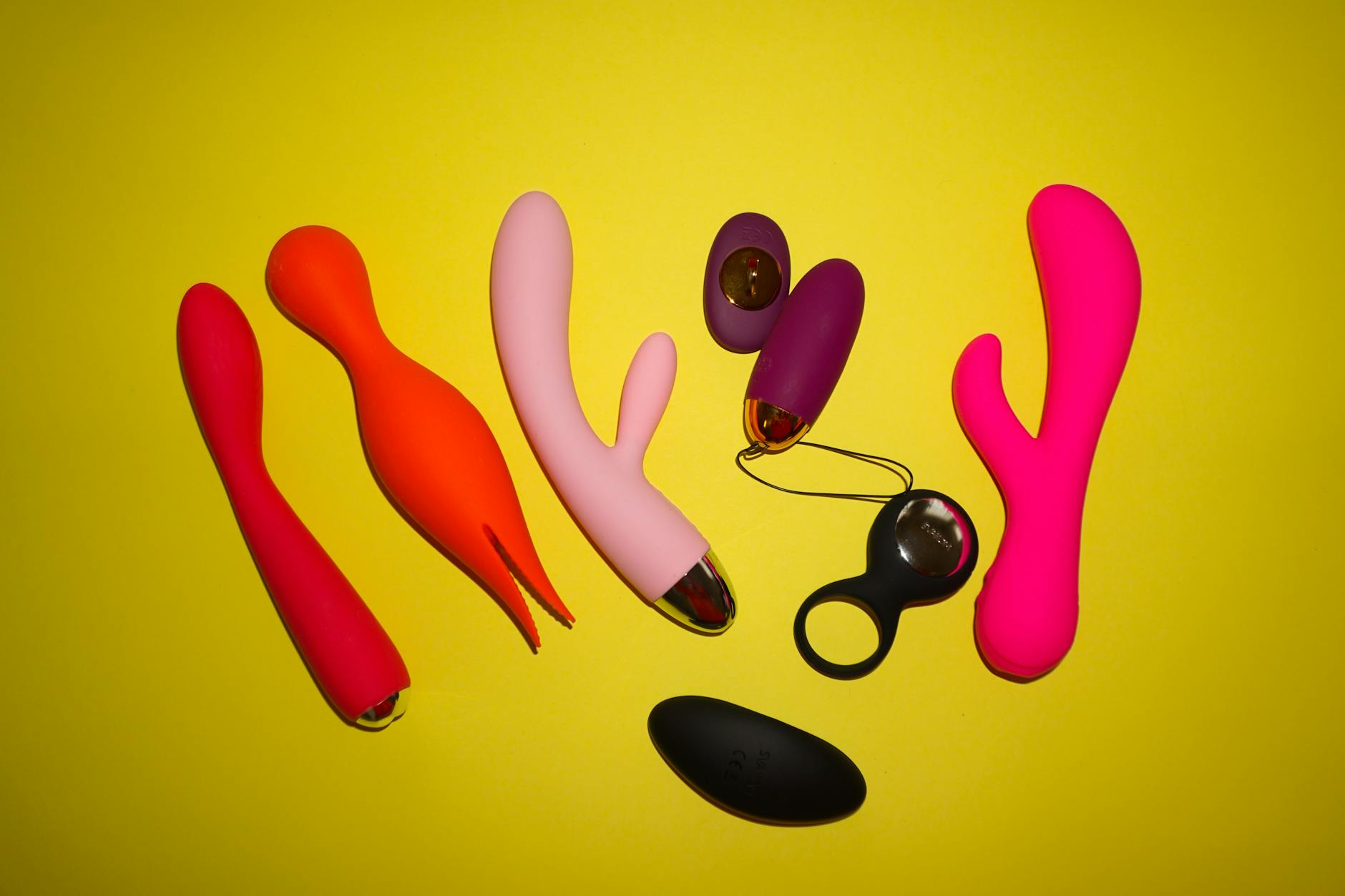
Here's what nobody tells you about desire timing
One partner could have an orgasm during a commercial break. The other needs a full episode, a mood adjustment, and ideally someone to handle the kids first. This is not a problem to solve. It's a design feature you can work with, if you stop treating it as a personal failure.
I spend half my sessions with couples wrestling over this exact mismatch. One person feels rejected because their partner isn't ready yet. The other feels pressured because they're being watched, waiting. A lemon vibrator or lemon sucker like the Lem doesn't erase the timeline difference, but it does change what you do with that time. Instead of one of you waiting around feeling awkward, you're both actively present and engaged.
Why arousal speed varies, and it's not about attraction
Your nervous systems are wired differently. Some people have a quicker pathway from thought to physical arousal. Others need cognitive, emotional, and physical cues stacked up before anything registers. Neither is broken. Neither means less attraction. It's just wiring.
Hormonal fluctuations also play a part. If you menstruate, your arousal timeline shifts across your cycle. If you're on antidepressants, testosterone replacement, or hormonal birth control, that rewires things too. If you're stressed, tired, or carrying emotional weight from the relationship, your nervous system stays in self-protection mode. Arousal can't build on a foundation of vigilance.
The second thing most couples miss: you don't have to start at the same time. You don't even have to want the same thing. But you do need a shared language for what happens in the middle.
The practical reality of mismatched timelines
Let's say you're the faster partner. Your instinct is to wait, and in waiting, you shrivel a little. You feel like you're being rejected because your partner isn't matching your energy. Then resentment creeps in. "Why do I always have to slow down?" "Why can't they just get ready?" You're keeping score without realizing it.
Now you're the slower partner. You feel watched. Pressured. The knowledge that someone is waiting makes it harder to relax into your own process. Arousal is fragile when you're performing it for an audience. You shut down a little. Then the faster partner feels that shutdown and interprets it as disinterest.
Both of you end up smaller than you were before.
A lemon vibrator changes this equation because it gives the faster partner something true to do while the slower partner builds their own arousal. You're not waiting. You're building toward each other.
How to use a lemon clitoral vibrator when arousal timelines don't match
Start with your own timeline, not theirs. If you're the faster partner, begin your arousal work while your partner is still in their warm-up. Use a lemon vibrator on your own. This isn't a performance. It's you tending to your own body while they tend to theirs. Suction-based toys like the Lem work well here because they keep you engaged without requiring your partner to do anything yet.
Invite them in when they're ready, not when you think they should be. The moment your partner shows a signal of interest (eye contact, a hand on you, a shift in breathing), you can fold them into what's already happening. They're not joining something they have to catch up on. They're joining something already in motion.
Use patterns, not intensity alone. The Lem has multiple suction settings, and the difference between pattern one and pattern four is massive. When your partner is just beginning their arousal phase, start at a lower setting. As they build, you can shift up. This creates a feedback loop where the tool is responding to what they're becoming, not demanding they match what you already are.
Alternate the focus. You don't always have to be the one with the toy. If arousal timing is inverted for you (they usually warm up faster), let them use the lemon vibrator on you while you're getting there. The combination of sensation and their involvement often shortens the runway for the slower partner.
The emotional architecture underneath
Here's the conversation most couples skip: "I feel like I'm not turning you on if you need all this extra time." That sentence is the real problem. It packages timing as rejection.
Separate them in your mind. Your partner not being ready in five minutes is not the same as your partner not wanting you. Different arousal speeds are just different nervous systems. You can want someone intensely and still need twenty minutes to access that wanting physically. One is not evidence of the other.
If you're the slower partner, your job is to own your timeline without apologizing for it, and to reassure your partner that the wait isn't about them. "I absolutely want this. My body just needs a few more minutes to catch up with my brain." That's not a rejection. That's honesty.
If you're the faster partner, your job is to not interpret their slowness as a referendum on your desirability. Their body isn't a mirror for your value. Sometimes they're still in their head. Sometimes stress hasn't fully released. Sometimes they need to feel emotionally safe before pleasure is possible.
A lemon sucker or lemon clitoral vibrator makes this conversation easier because you have something active to do while you're having it. You're not stuck in static waiting. You're building toward each other.
Troubleshooting the most common friction points
"But now I'm finished before they even start." Use the toy more slowly. Most people jump straight to the intensity that gets them there fastest. Instead, use lower patterns and spend more time on it. You're aiming for a longer build that matches their timeline, not for the quickest finish.
"It feels mechanical and less intimate." It can, if you treat it like a solo project. Keep physical contact. Keep eye contact. Keep talking. The tool is just a bridge. The intimacy is in staying present with each other while you use it.
"They feel like they're taking too long and get discouraged." Check in about this directly. "I love that we're taking time here. There's no countdown. You're not holding me up." Reassurance is not the same as pressure. You're creating permission for them to unfold at their own pace. When someone feels truly permitted to take their time, they often need less of it.
"I worry I'm being selfish if I use it alone." You're not. Tending to your own pleasure while your partner tends to theirs is actually the most collaborative thing you can do. It keeps both of you engaged instead of one person performing management and the other feeling watched. That's connection, not selfishness.
When to reach for a lemon vibrator and when to rely on other tools
A lemon vibrator is especially useful when the faster partner's arousal doesn't require direct participation from the slower partner. If you can use the Lem on your own while your partner builds arousal through kissing, touch, or their own visualization, you've created parallel tracks that meet in the middle.
It's less useful if the disconnect is really about desire (one person wants sex, the other doesn't) or emotional distance (there's conflict or disconnection underneath). In those cases, the vibrator becomes a band-aid. You need to address what's actually wrong first. If you'd like to explore that more deeply, rebuilding connection when desire feels mismatched is a different conversation entirely.
If one partner has pelvic floor tension or pain that's slowing arousal, understanding pelvic floor dysfunction might be the real issue to solve alongside using a tool.
The unexpected thing that happens
When couples stop fighting the timeline mismatch and start working with it, something shifts. The pressure lifts. Foreplay stops feeling like a negotiation and starts feeling like something you're both choosing. The faster partner gets to experience their partner's actual arousal, not their performance of it. The slower partner gets to build at their own pace without surveillance.
Use the lemon clitoral vibrator not to erase the difference, but to honor it. Your arousal patterns don't have to sync perfectly. They just have to be respected.
FAQ: Arousal timing and using lemon vibrators together
What if we're both slow to arouse and a lemon vibrator doesn't seem to help?
If both partners have naturally slower arousal pathways, the issue usually isn't the tool. It's often about what's happening in your nervous system overall. Stress, relationship disconnection, fatigue, or hormonal shifts can slow arousal for both of you simultaneously. A lemon vibrator can increase sensation and potentially speed things up, but it's not going to override a nervous system that's in self-protection mode. If arousal is slow for both of you all the time, it's worth checking in about what else is happening: Are you stressed? Is there unresolved conflict? Have you had recent hormonal changes? Those are the real problems to solve.
Can we use the Lem together at the same time?
Absolutely. Some couples alternate (one uses it on the other, then they switch), and some use multiple tools simultaneously if you have them. The main thing is that you're both engaged and neither person feels like they're managing someone else's pleasure instead of experiencing their own. If using a lemon clitoral vibrator together helps you both feel present and building together, that's the right move.
My partner feels insecure when I use a vibrator alone. How do I handle that?
This is worth addressing directly and gently. It often comes down to a fear that the tool is "better" than they are, or that you'd prefer it. Neither is usually true. A lemon vibrator is a tool that creates different sensation. It's not in competition with your partner. You might try using it together first, so they can see how it feels when they're part of the experience. Or, talk about what the insecurity is really about. Sometimes it's not about the vibrator at all.
If one of us is almost always ready first, should we just accept that and move on?
Not necessarily. Chronic mismatches in arousal speed sometimes point to something worth exploring. Is the slower partner stressed about something? Is the relationship carrying tension neither of you is naming? Are there hormonal shifts happening? Have their medication or health circumstances changed? These things matter. You don't have to just accept a mismatch. You can understand it and address what's underneath. A lemon vibrator helps you work with the timeline while you're investigating the source.
Does using a vibrator make it harder to orgasm without it later?
Not typically. What sometimes happens is that you discover you actually like the sensation of suction (which is why a lemon sucker is so popular), and now you know that about yourself. That's useful information, not damage. Your body isn't less capable without the tool. You've just learned something new about what brings you pleasure. If a partner is worried about this, exploring both suction and vibration side-by-side might help both of you understand the difference.
What if the arousal mismatch is a symptom of a bigger relationship problem?
It often is. Desire mismatches usually signal something underneath: disconnection, unresolved conflict, or a partner not feeling seen. If you suspect that's true for you, that's something to explore with intention. A vibrator is a tool for the physical side of things, but it won't solve emotional distance. That requires conversation, and sometimes professional support. Both are worth pursuing.
The real skill here
Using a lemon vibrator when arousal patterns don't match is less about the toy and more about giving up the idea that synchronization is the goal. Your bodies don't have to want the same thing at the same time. What matters is that you both feel wanted, that neither person is performing for the other, and that you're building toward each other instead of waiting for someone to catch up. A good tool just makes that easier to do.
If you're navigating deeper disconnection around desire or timing, reach out. Contact us to explore support that might help both of you.