Here's what nobody tells you about long-term touch
Your partner's hand on your thigh used to send electricity through your whole body. Now it barely registers. You're not falling out of love. Your nervous system is just really, really bored.
This is one of the most common things couples tell me in my practice, and it's also one of the most fixable. The science is straightforward, and the solution doesn't require you to leave them or pretend you're still in year two.
What actually happens to sensation over time
When you first meet someone, novelty triggers dopamine. Your brain is flooded with it. That neurochemical high makes every touch feel electric. Touch your partner's arm at a restaurant and your heart races. Touch the same arm seven years later and you barely notice it.
This isn't about the relationship. It's about how your brain processes repeated stimuli. Neuroscientists call this "habituation." Your sensory neurons literally stop firing as strongly when they receive the same stimulus over and over. It's a feature, not a bug. Your brain is designed to stop paying attention to constant input so it can focus on new threats or opportunities.
The problem is that touch in a long-term relationship is exactly the kind of repeated, predictable stimulus that triggers habituation. Same pressure, same temperature, same rhythm, same hand. Your nervous system stops treating it as novel and starts treating it as background noise.
Why this matters more than you think
Habituation to a partner's touch is often misinterpreted as loss of attraction or a sign the relationship is failing. It's neither. I've worked with couples married for 35 years who experience this, and I've worked with couples in their first two years together who somehow already have it (usually because the touch has become very routine).
The real issue: reduced sensation during partnered sex makes orgasm harder to reach, which creates performance pressure, which makes the whole thing less fun, which makes you both want it less often. You're not having fewer intimate moments because you're less in love. You're having fewer intimate moments because the current style of touch isn't generating enough sensation to cross your threshold.
How lemon clitoral vibrators interrupt the habituation cycle
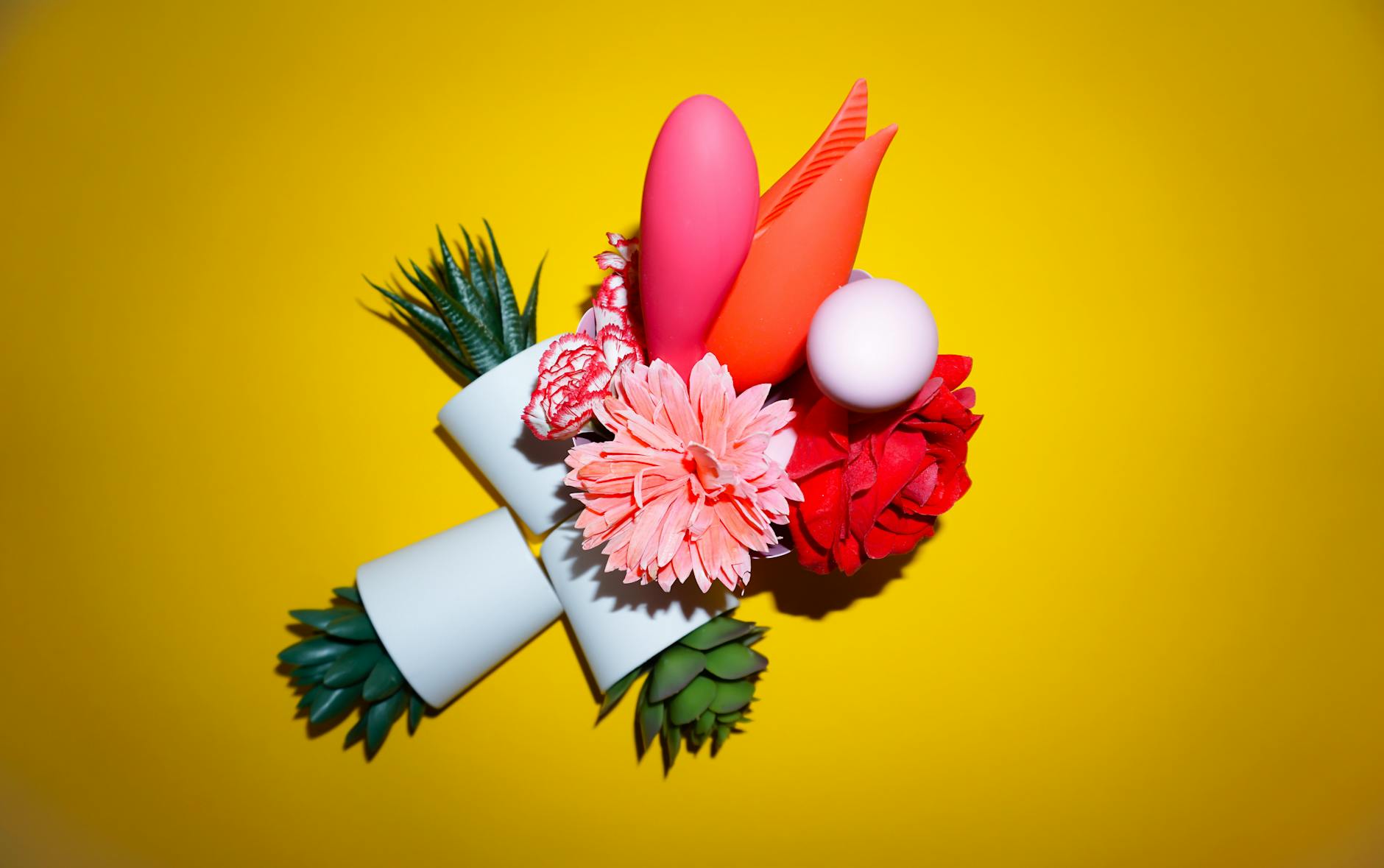
A clitoral vibrator like the Lem does something a human hand literally cannot do. It delivers consistent, high-frequency stimulation at patterns and intensities that your partner's touch simply can't replicate. This breaks habituation by introducing genuine novelty to your nervous system.
When you add a lemon vibrator to partnered play, you're not replacing your partner's touch. You're adding a texture and sensation pattern that your nervous system treats as new. This resets the novelty baseline and often makes you more responsive to your partner's touch afterward. Couples I work with often report that after using a clitoral vibrator together, regular touch feels more pleasurable again for a few hours or days.
The practical setup that actually works
Start by introducing the idea without pressure. Honesty matters here. Say something like: "I've been reading about how sensation changes over time in relationships, and I found something that might help us both enjoy this more. Want to try it together?" You're not saying your partner's touch isn't working. You're saying your nervous system could use some novelty, which is true and kind.
When you're ready to try it, start with external clitoral stimulation only. Use the Lem on lower intensity patterns (1-3) while your partner is still touching you elsewhere. Their hand on your breast, your thigh, your neck. The combination of their familiar touch plus novel vibration is what creates the reset. You're training your nervous system that this partner's touch plus this sensation equals arousal.
After 2-3 weeks of using the vibrator during partnered sex, most people find that their baseline responsiveness to their partner's touch has shifted. The habituation hasn't disappeared, but you're no longer completely numb to their hand.
The emotional piece nobody mentions
Introducing a sex toy into a long-term relationship sometimes triggers insecurity in either partner. Your partner might worry that you need it because they're not enough. You might worry that using it makes you seem high-maintenance or that you're admitting something is wrong.
Here's the reframe: you're not fixing a broken dynamic. You're maintaining a relationship the same way you maintain anything that's important to you. You brush your teeth to prevent decay. You get your oil changed to keep your car running. You introduce new stimulation to prevent habituation. It's maintenance. It's self-respect. It's care.
If your partner is resistant, the conversation isn't really about the vibrator. It's about what the vibrator represents to them. Sometimes it's anxiety about their own sexual performance. Sometimes it's a belief that introducing toys means you're not satisfied. Talk about what you actually need: more sensation, more novelty, more pleasure, and yes, more of them in your pleasure, which is why you want to do this together.
When to use it and how often
Integrate the lemon vibrator into your regular partnered sex, not as a special-occasion tool. Use it 2-3 times per week for at least 3-4 weeks before you'll notice habituation resetting. Consistency matters more than intensity.
Variation also helps. One week, use the vibrator while your partner is inside you. The next week, use it while they're just touching you. Different patterns and rhythms keep your nervous system engaged. The goal isn't to reach orgasm every single time. The goal is to rebuild sensation and responsiveness to your partner's touch.
What happens when habituation starts lifting
Many couples notice that after a few weeks of introducing clitoral vibration into their sex life, they actually want sex more often. Their partner's touch suddenly feels pleasurable again in ways it hasn't in years. This often makes the relationship feel more connected overall, not just sexually. When you're having enjoyable sex regularly, you're naturally closer. When you're naturally closer, everything else in the relationship gets easier.
Common concerns answered
Will using a vibrator make me dependent on it? No, but your nervous system might benefit from external sensation in the short term. The goal is to reset habituation and rebuild responsiveness to your partner. After 4-8 weeks of consistent use, you can space it out or use it less frequently.
Should we always use it together? Not necessarily. Some couples integrate it into partnered sex and keep it there. Others use it solo sometimes and with their partner other times. The research suggests that variety matters more than frequency or context.
What if I want to use it during intercourse? A lemon clitoral vibrator works beautifully during penetration, especially with a partner. Most people find that the Lem's suction stimulation combined with penetration creates more intense orgasms than either sensation alone.
Will my partner feel inadequate if I need a vibrator to orgasm? This is usually about how you frame it. "I need this to feel anything" creates defensiveness. "I want this because it feels incredible and I want to experience more pleasure with you" creates partnership. The second one is also true.
How do I introduce this if we've never talked about toys before? Start with education, not pressure. Share an article about habituation in long-term relationships. Say you learned something interesting and want to try it. Make it about curiosity and maintaining your relationship, not about fixing something broken.
What if my partner isn't interested in using toys together? That's okay. You can use a lemon vibrator solo and often find that your responsiveness to your partner's touch improves anyway. The reset is real whether the vibrator is introduced during partnered sex or solo. Though couples play is typically more effective.
The bigger picture
After years together, your relationship isn't losing its spark. Your nervous system is just graduating from the dopamine-flooded beginnings to something more stable. That's not worse. That's maturity. Adding novelty doesn't undermine what you've built. It honors it by committing to continuing to enjoy it.
Your pleasure matters. Your partner's pleasure in giving you pleasure matters. A lemon clitoral vibrator is just one tool for maintaining both.