Let's be real about what burnout does to your body
You know that feeling when work has been relentless, your stress cortisol is permanently elevated, and your nervous system is running on fumes? That's not a good state for pleasure. Burnout doesn't just make you tired. It convinces your body that safety means shutdown. Arousal requires a certain amount of parasympathetic activation, the "rest and digest" mode. Burnout keeps you locked in sympathetic overdrive, fight-or-flight. Your clitoris doesn't care how much you love your partner or how attractive they are. If your nervous system thinks you're under threat, pleasure becomes physiologically difficult.
The frustrating part is knowing this doesn't fix it. You can't think your way out of burnout arousal. You need a tool that signals safety to your body while gently waking up sensation that's gone dormant.
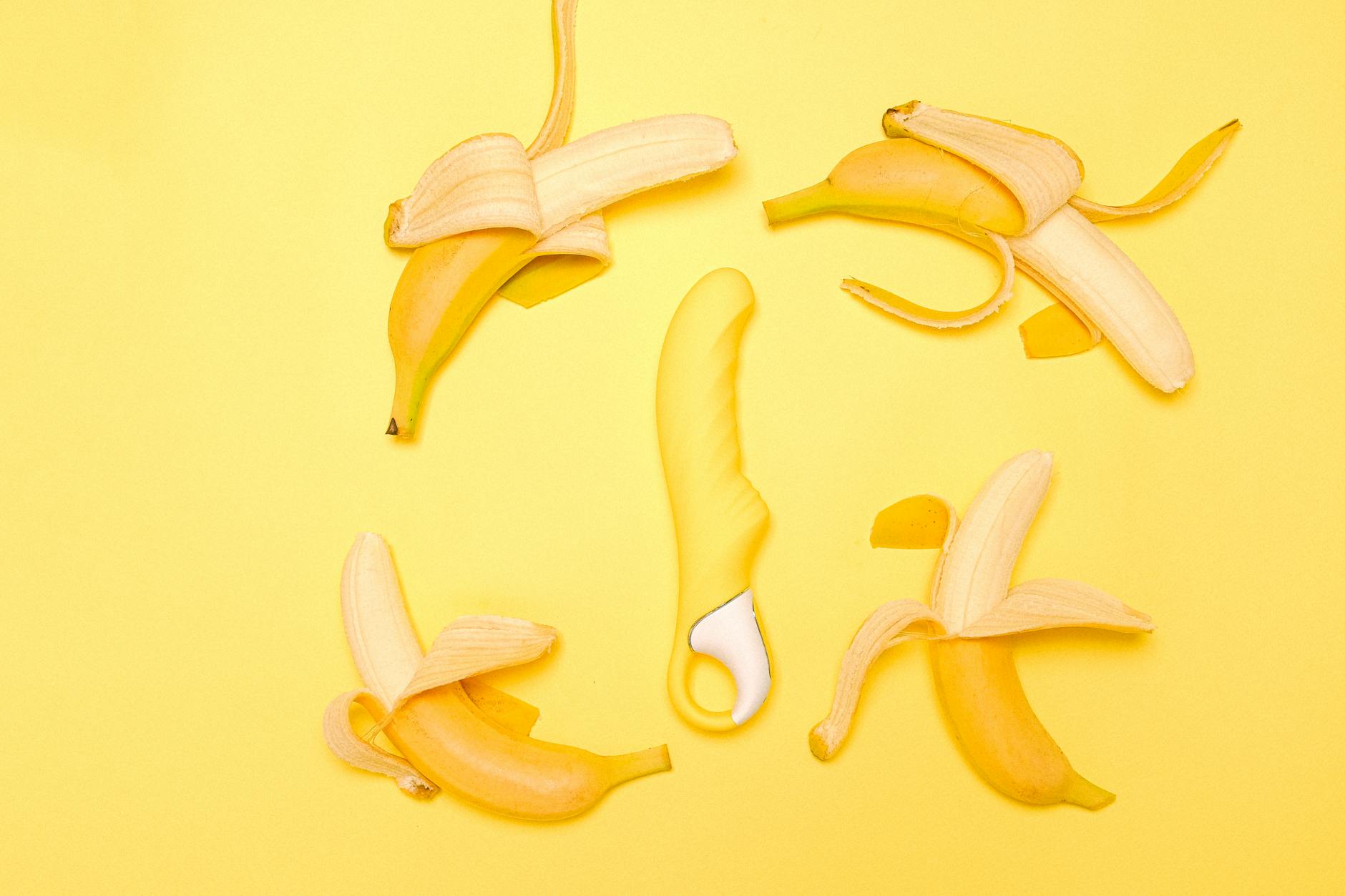
That's exactly what a lemon vibrator, with its suction-based stimulation, can do.
How burnout specifically flattens desire
Three physiological things happen when you're burned out:
First, your adrenaline and cortisol stay elevated. Your body is in a constant low-grade alarm state. The nervous system that's supposed to shift into pleasure mode stays locked in vigilance. Even when you're physically in bed, your brain is still at work.
Second, blood flow distribution changes. When you're stressed, blood preferentially goes to large muscles and your brain, not your genitals. That means slower arousal, less engorgement, and reduced sensation.
Third, your mental load is too full. Desire isn't just physical. It requires cognitive bandwidth. When you're burned out, your brain is running 47 background processes. Pleasure becomes impossible not because your body can't respond, but because there's literally no mental space for it.
A lemon clitoral vibrator works here because it doesn't require you to generate arousal from scratch. It introduces direct, consistent stimulation that tells your nervous system "this is safe, this feels good." The suction mechanism is gentler than traditional vibration, which means your body can open up without feeling overstimulated.
Why suction stimulation works better when you're depleted
When you're in stress mode, your nervous system is hypervigilant. A traditional vibrator can feel like too much sensory input. The constant buzz can actually feel jarring against tissue that's already in a protective state.
Suction works differently. It's rhythmic, pulsing, and creates a seal that feels containing rather than invasive. Your clitoris has thousands of nerve endings, but when you're burned out, those nerves are less responsive. Suction activates them through negative pressure rather than direct mechanical vibration. For someone whose arousal has been flattened by months of work stress, this gentler introduction often feels more accessible.
Start at the lowest setting. If you're using a Hello Nancy lemon vibrator, that's pattern 1 or 2. The goal isn't intensity right now. It's consistency and the permission to receive sensation.
Rebuilding the habit of pleasure
One of the cruelest parts of burnout is that it convinces you pleasure is selfish. You're "supposed to" be focused on work. Taking time for your own body feels irresponsible. This belief is the biggest barrier most people face when trying to reconnect.
That's a cognition problem, not a sensation problem. And you can change it with a simple practice: scheduled pleasure time.
I know that sounds clinical. But here's why it works. When your nervous system is burned out, it needs structure to feel safe. Random sex feels unpredictable. Scheduled self-pleasure is the opposite. It tells your body "this time is protected, nothing else can interrupt." Block 20 minutes on your calendar. Actually put it in your calendar app. This removes the guilt and the mental negotiation.
Start with 5 to 10 minutes of non-sexual touch. Notice your skin, your breath, what actually feels good without agenda. Then introduce the lemon vibrator. Slow. Patient. No pressure to orgasm. Lots of people expect that if they use a vibrator, they must come. Not true. Some days, the win is just feeling something again.
The role of nervous system reset
Burnout lives in your nervous system. Your body has learned that stimulation equals danger. Pleasure-based stimulation, especially the kind that requires relaxation, can feel counterintuitive. Your system might actually resist it.
Before you use your vibrator, spend 2 to 3 minutes on genuinely simple nervous system regulation. This isn't meditation. Close your eyes. Breathe in for a count of four, hold for four, out for four. Do this five times. Or simply notice the sensation of your body against the bed or chair. The texture of the fabric. The temperature.
This tiny reset tells your nervous system "we are safe now, we can slow down." It's the prerequisite for arousal.
Then introduce the vibrator. Your burned-out nervous system doesn't need a shocking sensation. It needs permission to relax into pleasure.
When to involve your partner
If you're rebuilding intimacy after burnout that's affected your relationship, solo pleasure is often the bridge. It's easier to reconnect with your own body first, then bring that reconnection into partnered touch.
But there's a temptation to hide your vibrator from a partner, thinking "they should be enough." That's a trap. Most couples find that when one partner is burned out, shared exploration of a lemon vibrator actually accelerates reconnection. Your partner gets to see you receiving sensation. You get to experience them as present and curious instead of demanding.
If you haven't had the conversation about desire and burnout with your partner, that's the conversation to start first. "I've been so burned out that my body has basically gone offline for pleasure. I want to rebuild that, but I need to do it gently and at my own pace." Most partners find that honest and are relieved you're taking ownership of the process.
Then, using a lemon vibrator together can feel like play instead of pressure. Let your partner watch. Let them hold it. Let them explore what patterns feel best to you. This transforms the vibrator from a solo tool into a shared experience of rediscovery.
The timeline is longer than you think
Burnout doesn't steal arousal overnight. It happens gradually, over weeks or months. Rebuilding it takes time too. Some people feel a shift in sensation within a few sessions. Others take four to six weeks before arousal starts flowing naturally again.
This is normal. Your nervous system needs evidence, repeated over time, that it's actually safe to relax. Each time you use the vibrator and nothing bad happens, you're rewiring that. Each orgasm (or even just pleasurable sensation without orgasm) is proof that you can have both focus and pleasure, without sacrifice.
Be patient with yourself. Burnout made you numb for a reason. Your body was protecting you. Waking it back up is a process.
When to seek additional support
If you're still experiencing no arousal after eight weeks of consistent practice, or if pleasure actually feels painful or anxiety-inducing, check in with a therapist who understands both burnout and sexuality. Sometimes the stress isn't just work. Sometimes it's unresolved relationship conflict, past trauma, or depression masquerading as burnout.
A good therapist helps you figure out which one you're dealing with. A lemon vibrator is an excellent tool for reconnection, but it's not a substitute for professional support when something deeper is happening.
If burnout has also affected your relationship, couples therapy can be the difference between rebuilding and further disconnection. The goal is to recover both your individual arousal and your partnered intimacy.
FAQ: Rebuilding Desire After Burnout
Why does burnout make it so hard to feel aroused?
Burnout keeps your nervous system in a prolonged stress response. Arousal requires your parasympathetic nervous system (rest and digest mode) to activate. When cortisol is chronically elevated, your body doesn't shift out of vigilance. This means less blood flow to your genitals, harder time with arousal, and reduced sensation overall. It's not laziness or lack of attraction. It's physiology.
Can a lemon vibrator actually help restart arousal after months of burnout?
Yes. A lemon clitoral vibrator provides direct, consistent stimulation without requiring you to generate arousal from nothing. The suction mechanism is gentler than traditional vibration, which makes it easier for a burned-out nervous system to accept. The rhythm can also help signal safety to your body. Many people find that consistent, low-pressure stimulation jumpstarts sensation after burnout has flattened it.
How often should I use a lemon vibrator when rebuilding pleasure after stress?
Start with two to three times per week. This gives your nervous system time to integrate the experience between sessions. Consistency matters more than frequency. A predictable schedule actually helps your body feel safer than random attempts at intimacy. Most people find that after four to six weeks at this frequency, arousal starts returning more naturally.
Is it normal to not orgasm when rebuilding intimacy after burnout?
Completely normal. Orgasm is actually one of the last things to return. Sensation comes first. Then arousal. Then the ability to stay present long enough for orgasm. Don't make orgasm the goal. Make sensation and presence the goal. Orgasms often return once those are stable again.
Should I tell my partner I'm using a lemon vibrator to rebuild arousal?
If you're in a relationship, yes. Keeping it secret often backfires because it creates shame around pleasure right when you're trying to reconnect. A simple conversation helps: "Burnout has made it really hard for me to feel aroused. I want to rebuild that connection with my body and with you. I'm going to use a vibrator as part of that. Would you want to be part of this?" Most partners find this relieving, not threatening.
How do I know if my burnout is also depression that needs treatment?
Burnout and depression often travel together. If you've lost interest in things you normally enjoy (not just sex, but hobbies, time with friends, activities you love), if your sleep has changed, or if you feel hopeless rather than just exhausted, talk to a doctor. Burnout is recovery-focused. Depression might need treatment. Sometimes you need both.
Getting back to yourself
Burnout tells you that your body doesn't matter, that rest is selfish, that pleasure is frivolous. It's a lie. Your capacity for pleasure isn't separate from your resilience. It's connected. When you rebuild arousal and sensation, you're actually rebuilding your ability to be present in your own life.
A lemon vibrator is just a tool. But it's a tool that says "your pleasure is worth the time, the attention, the gentleness." Your burned-out nervous system needs that permission. Your body has been waiting for it.