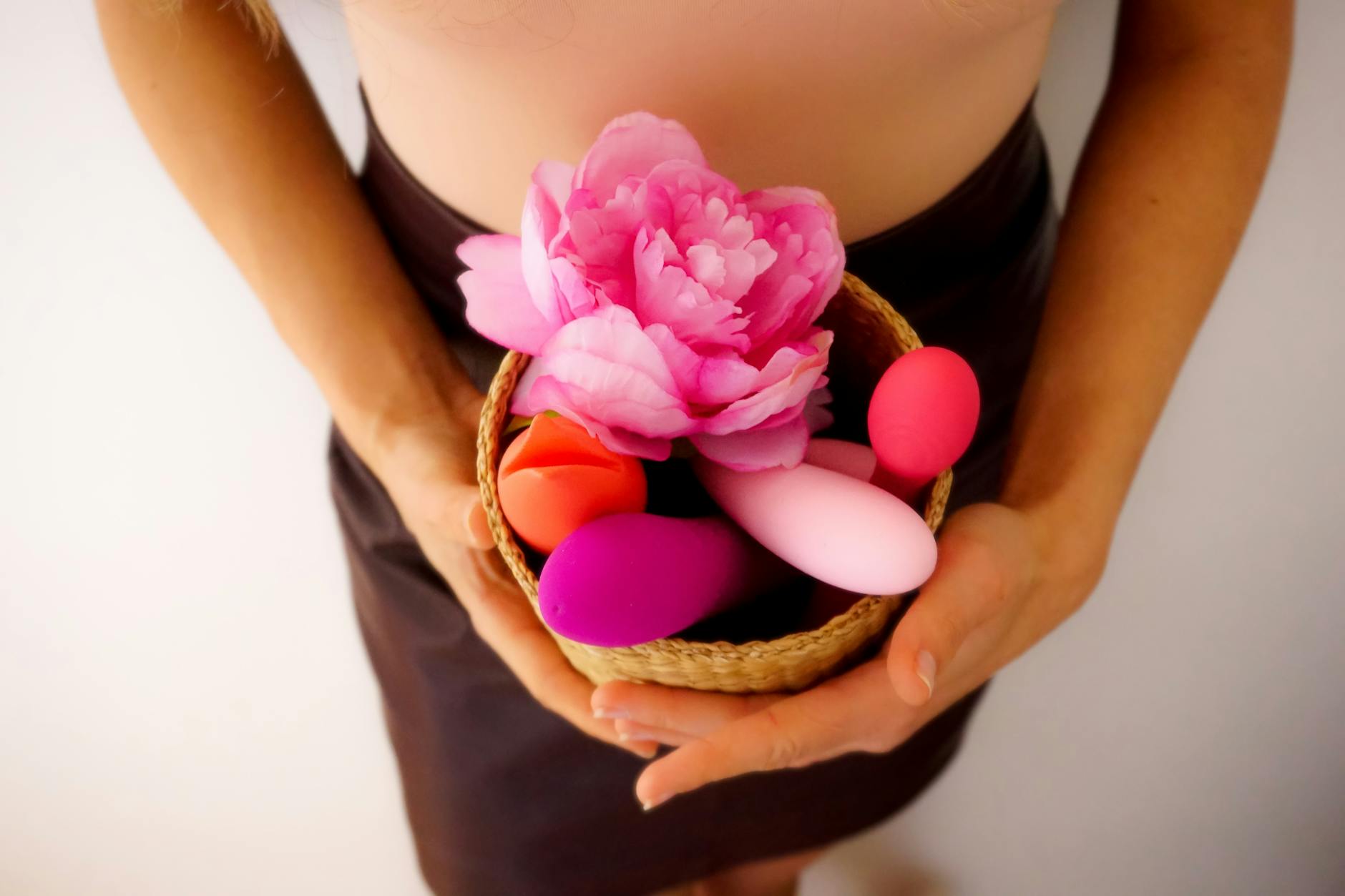
How to Use a Lemon Vibrator When Returning to Pleasure After Cancer Recovery
Let's be real: cancer steals a lot. Treatment disrupts your body, your timeline, your sense of control. For many people, sexual pleasure gets filed away in the "not now" pile and sometimes stays there long after treatment ends. The body heals. But the nervous system, the relationship with sensation, the permission to feel good again? That takes deliberate, gentle work.
If you're reading this, you're probably at a point where you're ready to explore pleasure again. Maybe you're months post-treatment. Maybe it's been years. Either way, returning to sexual sensation after cancer is not the same as your body before. That's not a loss. It's just different information.
What cancer treatment actually does to sexual sensation
Chemotherapy, radiation, surgery, and hormone therapy each damage pleasure in distinct ways. Chemo can cause peripheral neuropathy, a kind of nerve damage that makes everything feel muffled or hypersensitive. Radiation to the pelvic region thins vaginal tissue and damages blood flow, making arousal slower and sometimes painful. Surgical removal of lymph nodes can affect sensation in the surrounding area. Hormone therapy, especially aromatase inhibitors, can mimic menopause symptoms, draining lubrication and flattening desire.
But here's what doesn't change: your brain's capacity for pleasure. Your clitoral nerve density. Your right to feel good in your own body.
Many of my clients describe the return to pleasure as a conversation with their body in a new language. You're not getting back what you had. You're building something adjacent to it, informed by survival.
Why the Lem vibrator works well for post-cancer bodies
Clitoral suction devices like the Lem work differently than traditional vibrators. Instead of direct percussion, they use gentle air-pulse technology to stimulate the clitoral complex without the same mechanical friction that can feel too raw or intense on compromised tissue.
For bodies recovering from cancer, suction has three big advantages. First, it creates sensation without requiring direct contact, which matters if your tissues are still tender or hypersensitive. Second, it tends to feel more diffuse than vibration, building arousal gradually rather than demanding immediate intensity. Third, it gives you control over the pace in a way that rebuilds confidence.
A lemon clitoral vibrator designed with recovery in mind meets you where your body is, not where it was.
Starting small: your first session with a Lem vibrator
Don't dive in expecting to feel what you felt before. That's not the goal. The goal is information: what does sensation feel like now? Where are the tender spots? Where is there numbness? Where does pleasure actually live in this new configuration?
Set aside 20 to 30 minutes with zero distractions. Not because you need to "perform," but because returning to pleasure takes focus when your nervous system is still learning to trust sensation again.
Start with clean hands and a clean vibrator. Use a water-based lubricant generously, even if you think you might not need it. Post-cancer bodies often have reduced natural lubrication, and lube isn't a sign of failure. It's information about what your body needs right now.
Turn the Lem to pattern 1 or 2. The lowest settings. You're not trying to achieve anything. You're just gathering data. Touch the suction head to your inner thigh first, not directly to the clitoris. Notice what that feels like. Is it pleasant? Numb? Slightly uncomfortable?
Gradually move toward the clitoral area, staying on the lower settings. If something feels good, stay there. If something feels off, move away. This isn't a performance. This is reconnaissance.
Managing sensory overwhelm and anxiety
Many cancer survivors describe a split-second of panic when they try to re-engage sexually. Your body has associated physical sensation with pain and treatment. Rewiring that takes time and real, practical strategies.
If you feel anxiety or a flashback response during your first session, stop. This isn't failure. This is your nervous system doing its job: protecting you. Get out of the bed, ground yourself in the room, and come back when you're ready. Tomorrow is fine. Next week is fine. Your timeline is the only one that matters.
For many people, it helps to have a partner present but not involved. Someone who's there to hold your hand or sit nearby while you explore. Some people need to be completely alone. Some find that starting in the morning, when anxiety is often lower, works better than night. Figure out your conditions.
If anxiety is persistent or severe, bring it to a therapist. A counselor trained in sexual health and trauma can help you untangle the threads between physical sensation and emotional protection.
Rebuilding pleasure with a partner
If you have a partner, this conversation needs to happen outside the bedroom first. Not during sex. Before sex. Over coffee or a walk.
Tell them what you're doing and why. Tell them you might feel things that look like rejection but aren't. Tell them you might need to stop mid-session, and that's not a referendum on your attraction to them. Tell them that rebuilding sensation might take weeks or months, and that's completely normal.
Many partners want to help and don't know how. The most useful thing they can do is bear witness without directing. Let them watch, but not control. Let them ask what you're feeling without jumping in to fix it.
If you're using the Lem with a partner present, you might start solo to build your own map, then invite them to observe. Later, you might integrate it into partnered play. But that progression is entirely yours to set.
When sensation returns unevenly
You might find that some areas of your body respond quickly and others stay quiet for a long time. That's not unusual. Cancer treatment damages tissue in patterns that don't always make intuitive sense. You might feel heightened sensation in one spot and nothing nearby. You might have weeks where everything works, then weeks where it doesn't.
The Lem's programmable patterns help here. Switching between suction types and intensities lets you explore what your body responds to on any given day. You're not trying to recreate a single "normal." You're building a flexible practice that adapts to your body's actual needs.
When pain appears
Sex after cancer shouldn't hurt. If it does, that's actionable information, not a sign you should stop trying.
Pain during or after sexual contact can signal a few things: tissue that's still healing, scar tissue that needs to be gently stretched, or a pelvic floor that's clenched in protection. A pelvic floor physical therapist trained in cancer recovery can assess what's happening and give you specific exercises to address it. This is worth the investment. Good pelvic floor care can transform the recovery experience.
Sometimes pain is psychological: your nervous system anticipating hurt based on past treatment. A somatic therapist or sex therapist can help you work through that.
The long view
Recovering sexual pleasure after cancer isn't linear. Some weeks you'll feel reconnected and confident. Some weeks you won't. That's not a setback. That's just your body continuing to heal.
The Lem vibrator, and clitoral vibrators more broadly, are tools for that process. They give your body a chance to speak in its own language, without the pressure of performance or the weight of what came before. Your pleasure matters. Not as a metaphor for survival or resilience, but as a real, physical thing you deserve to feel.
FAQ: Returning to pleasure after cancer
Is it normal for sensation to feel completely different after cancer treatment?
Completely normal. Cancer treatment changes tissue, blood flow, and nerve function. Your body isn't broken. It's adapted. Many people find that sensation does return, but it often feels unfamiliar at first. Give yourself time to learn this new configuration. Working with a pelvic floor therapist or sex therapist can help speed the process.
How long after treatment can I start using a clitoral vibrator like the Lem?
That depends on the type of treatment and your individual healing timeline. If you've had surgery, typically 4 to 6 weeks post-op, once you've got medical clearance. If you've had radiation or chemo, ask your oncologist. Some people wait months before trying. There's no "right" timeline. Listen to your medical team and your body's signals.
Will a lemon vibrator cause harm to sensitive post-cancer tissue?
Not if used thoughtfully. The suction technology used in devices like the Lem is gentler than traditional vibration, and you control the intensity completely. Start on the lowest settings. Use plenty of lube. If something feels wrong, stop. If you're concerned about specific tissue damage, run it by your doctor or a pelvic floor specialist first.
What if I feel guilty about returning to pleasure after cancer?
That's incredibly common. Your body survived something difficult. Sometimes pleasure feels like it doesn't fit the story of struggle, or like you "should" be doing something more productive with your recovery. But pleasure is part of recovery. It's part of reclaiming your body as yours, not as a patient. Working through that guilt with a therapist can be really helpful. You're allowed to feel good.
Can I use a lemon clitoral vibrator during radiation or chemo?
Check with your oncology team. During active treatment, your body is immunocompromised and tissue is fragile. Many oncologists recommend waiting until treatment is complete. But everyone's situation is different, so always ask your medical provider before introducing anything new into your body during active treatment.
How do I talk to my partner about using the Lem as part of recovery?
Start with honesty. "I want to rebuild my relationship with pleasure. I'm going to explore with a vibrator designed for sensitive recovery. I'd like your support, though I need to do this solo at first." Most partners appreciate clarity. If your partner struggles with this, that's worth exploring together, maybe with a couples therapist. Rebuilding intimacy after cancer is a conversation, not a solo project.