Here's what's actually happening in your body
Hormonal fluctuations are real, and they absolutely change how your nervous system responds to physical touch. This isn't psychology. This is neurobiology. When estrogen, progesterone, or testosterone shift, the nerve endings in your genital tissue become more or less responsive to stimulation. Your clitoris literally changes in size and sensitivity depending on where you are in your cycle or life stage.
The problem is that most people blame themselves instead of understanding the shift. You're not losing sensation permanently. You're experiencing a recalibration that happens with reproductive hormones.
The real changes that happen during hormonal transitions
When hormones fluctuate, your body doesn't respond to touch the same way. During high-estrogen phases, your clitoral tissue swells and becomes more sensitive to light touch. During low-estrogen phases, the tissue thins slightly and needs more direct or sustained stimulation to register. This is not a permanent loss. It's a rhythm.
Progesterone changes your entire nervous system's baseline. High progesterone makes arousal harder to trigger and orgasm more elusive for some people. Low progesterone can feel like someone turned up the volume on every sensation. If you've noticed that a technique that worked last month suddenly doesn't, hormones are probably involved.
Then there's testosterone. If yours drops (due to birth control, age, stress, or medication), your brain's intrinsic desire to seek out pleasure can soften. The good news: you can still access pleasure with the right stimulus. It just requires more intentional setup.
Why your lemon vibrator might feel different right now
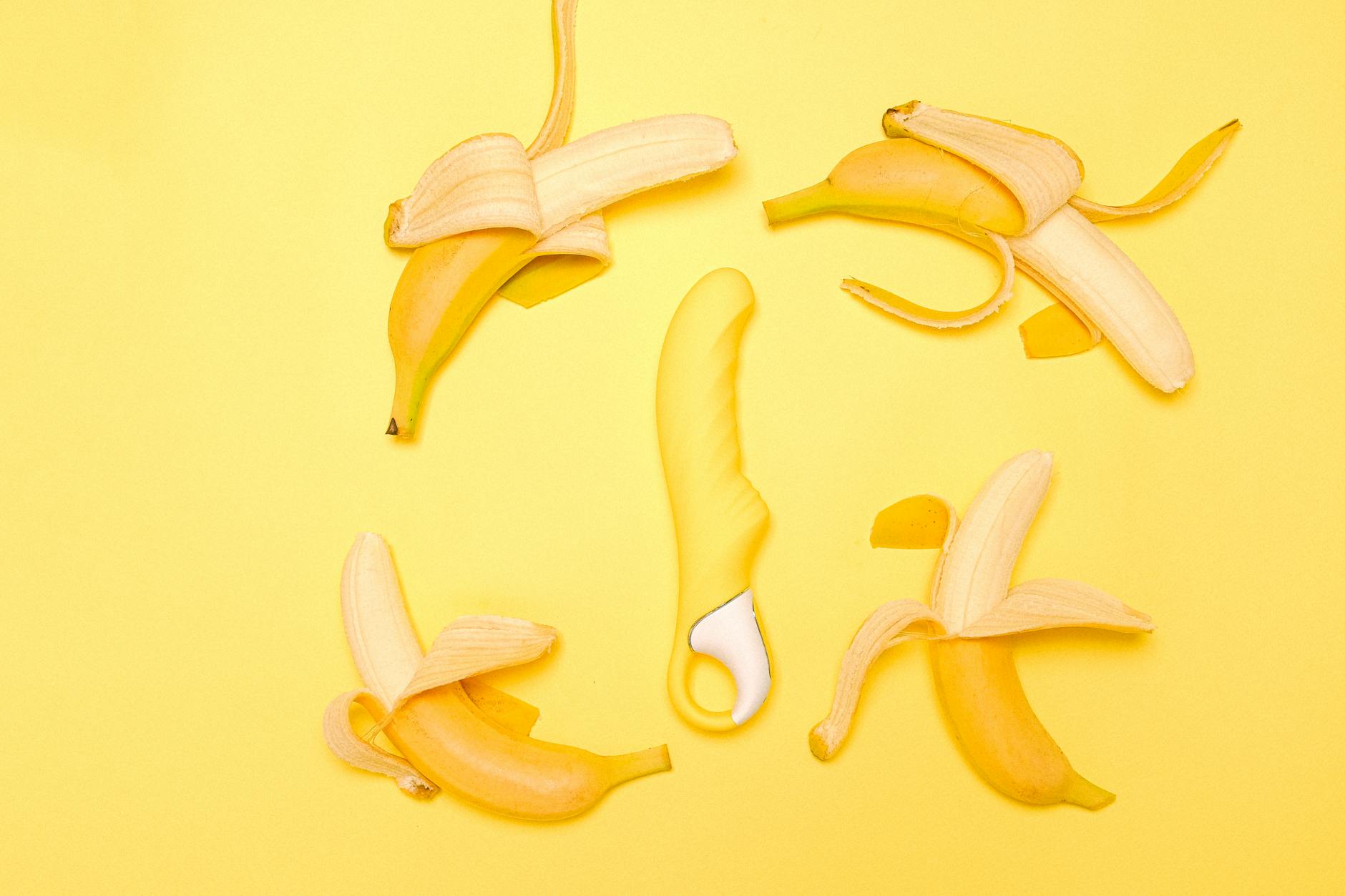
The Lemon clitoral vibrator uses suction technology, which works differently than traditional vibration. Suction creates a pressure wave that stimulates the entire clitoral network, not just the surface. This is actually advantageous when sensation shifts because it reaches deeper nerve pathways that stay relatively consistent even when surface sensitivity changes.
But if you're in a low-hormone phase, you might notice the Lemon feels less intense than it did last month. That's not the device changing. That's your tissue becoming less engorged. When there's less blood flow to the clitoral tissue, the tissue itself is smaller and less reactive to external pressure.
The fix isn't to panic or assume you've lost the ability to climax. The fix is to adjust how you use the device to match where your hormones are right now.
How to recalibrate your technique during different hormonal phases
High-hormone phases (high estrogen, or early follicular cycle). During these phases, your clitoral tissue is swollen and ultrasensitive. You might need to use lower suction settings (patterns 1-2 on the Lemon) to avoid feeling overwhelmed. Your arousal also builds faster, so shorter warm-up times work. Many people find they can climax in 3-5 minutes during high-hormone phases.
Use this time to experiment with lighter touch. You might discover new sensation pathways you didn't know existed. This is actually the sweet window to explore and map your own pleasure.
Low-hormone phases (low estrogen, high progesterone, or perimenopausal). Now you need more. Not more toy, but more intentional setup. Start with longer foreplay (10-15 minutes minimum). Use water-based lubricant even if you normally don't need it, because the tissue is thinner and benefits from extra glide. Then use higher suction settings (patterns 3-5) on the Lemon.
During low-hormone phases, many people need to focus on the suction itself rather than switching between patterns. Lock into a setting that feels like it's creating real pressure, and stay there for 5-10 minutes. Your body needs time to register and build sensation.
What changes during major hormonal events
If you're starting or stopping hormonal birth control, expect a 4-6 week adjustment period where sensation feels genuinely weird. This isn't permanent. Your body is recalibrating its baseline. The pill, patch, or ring you're on will determine your new hormone baseline, and sensation will stabilize once your body adjusts.
During pregnancy, everything changes. Blood flow to genital tissue increases dramatically, which makes sensation more intense for most people. If you're using a lemon clitoral vibrator during pregnancy, start at lower settings because your tissue is more engorged and sensitive than usual. Check with your care provider first, but for most pregnancies, external clitoral stimulation is fine.
After birth and during breastfeeding, hormone levels drop sharply. Progesterone is high, estrogen is low, and many people experience reduced arousal and sensation. This phase typically lasts until breastfeeding ends or hormones restabilize. It's temporary, but it's also real. If sensation feels muted, you're not broken. Your hormones are in postpartum mode.
The mental game when sensation shifts
Here's what I see clinically that trips people up: you get used to a certain level of sensation, and then it changes, and you assume you've permanently lost it. So you stop trying. Then your body stays in that discouraged state, and sensation doesn't return the way it could have.
Instead, treat sensation changes like weather. Sometimes it's sunny, sometimes it's cloudy, sometimes it rains. You adjust what you wear and what you do, but you don't assume the sun is gone forever.
When sensation feels different, the impulse is often to try harder. Use more intensity. Go faster. Push through. But that's fighting your body's current state. Work with it instead. If sensation is muted, slow down, use more lubricant, add longer warm-up, choose higher settings. If sensation is overwhelming, do the opposite.
Tracking patterns so you actually understand your body
Most people have no idea what their hormone cycle actually does to their sensation because they've never tracked it. Start noting: what day of your cycle are you on, what settings on the Lemon feel good, how long does it take to climax, what does the sensation feel like (sharp, dull, deep, surface-level).
After two or three cycles, you'll see the pattern. You'll notice that around day 10-14 of your cycle, the Lemon feels more intense. Around day 18-22, you need stronger settings. This is gold information. Once you know your pattern, you stop being surprised by sensation changes. You start expecting them and adjusting proactively.
If you're not cycling (on continuous birth control, postmenopausal, or for other reasons), your sensation baseline is more stable, but it can still shift with stress, medications, sleep, hydration, and overall health. Same principle applies: notice the patterns and adjust.
When to talk to a doctor about sensation changes
There's a difference between "sensation feels different because my hormones shifted" and "sensation disappeared overnight and it's painful." If numbness appears suddenly, or if sensation changes are accompanied by pain, or if you've lost the ability to climax entirely and it's been more than two cycles, talk to a gynecologist or menopause specialist.
Genitourinary syndrome can mimic hormone-related sensation loss but requires specific treatment. Nerve compression or circulatory issues can also affect sensation and need medical evaluation. Most of the time, sensation shifts are just hormones doing hormones. But sometimes there's something else going on that needs professional attention.
FAQ: Sensation Changes and Your Lemon Vibrator
Why does my lemon vibrator feel less intense than it did last month?
Your clitoral tissue size and blood flow change with your hormones. During high-estrogen phases, the tissue is engorged and more sensitive. During low-estrogen phases, it's slightly smaller and needs more direct or sustained stimulation. This is completely normal. Adjust your technique: use lower settings during high-hormone phases, higher settings during low-hormone phases.
Can hormonal birth control permanently change how sensation feels with a lemon clitoral vibrator?
No, but it does change your baseline. Whatever birth control you're on creates a stable hormone level that your body adapts to. Once your body adjusts (usually 4-6 weeks), sensation stabilizes at its new normal. If you stop taking it, sensation will shift again as your natural hormones return.
I'm perimenopausal and sensation feels muted. Is this temporary?
Perimenopausal sensation changes are temporary in the sense that they'll shift and adjust as hormones fluctuate. But perimenopause lasts several years, so you might experience ongoing changes during this phase. Focus on what's working right now rather than waiting for things to return to how they were. Many people find their most intense pleasure after hormone stabilization postmenopause.
Should I use a different lemon vibrator setting during my period?
During menstruation, progesterone is dropping and estrogen is at its lowest, which often makes arousal harder. Use higher settings (patterns 3-5) and give yourself longer warm-up time. Some people find that the suction on the Lemon actually helps with cramping, so timing it for period days works well for multiple reasons.
What if sensation changes but I'm not on hormonal birth control and I'm not cycling?
Hormones aren't the only thing that affects sensation. Stress, sleep, hydration, medications (including antidepressants), and overall health all play a role. If sensation shifts without obvious hormonal cause, look at whether your stress level changed, whether you're sleeping enough, or whether you started a new medication. Also check in with your partner dynamic: sometimes sensation shifts because emotional connection has shifted, not because your body is broken.
Is it normal for my lemon adult toy to feel more pleasurable during certain phases?
Completely. Your body's capacity for pleasure changes with hormones. Some phases are literally optimized for higher sensitivity and faster arousal. Instead of treating this as a problem, lean into it. Use high-hormone phases to explore and experiment. Use low-hormone phases to focus on depth and intensity. You're not losing sensation. You're accessing different types of sensation at different times.
What to do right now
If sensation feels off, don't increase intensity reflexively. Instead, first identify where you are in your cycle or hormonal transition. Then adjust three things: warm-up time, lubrication, and lemon vibrator settings. Start at pattern 2 and move up only if sensation is still muted after five minutes. Most people find the right setting within one or two tries.
Your body isn't broken. It's just responding to hormonal shifts that are completely normal and temporary. Once you understand the rhythm, you can work with your body instead of against it. That's when pleasure gets genuinely good.
If sensation changes feel confusing or concerning, reach out to a healthcare provider who specializes in sexual health or reproductive medicine. They can rule out other factors and help you understand what's normal for your particular situation.
For more context on how your lemon sexual toy works with your body during specific transitions, see our guides on how to use a lemon vibrator when clitoral sensation feels numb after menopause and how to use a lemon vibrator when birth control changes your sensation.