How to Use a Lemon Vibrator When You Have Low Sensation and Numbness
Reduced sensation doesn't kill pleasure. It just means you need a different strategy. Here's how lemon clitoral vibrators work when your body feels less, and why you might feel more than you expect.
Let's be real. Numbness is lonely. When your body stops sending clear signals, pleasure feels like it's happening to someone else. You can see the stimulation happening. You know you're supposed to enjoy it. But the feeling is muted, distant, or just plain absent.
Here's what matters: numbness is not the same as broken. And a lemon clitoral vibrator works differently with low sensation than it does with typical sensitivity. The mechanics change. The settings change. The expectations change. And honestly, that's not necessarily bad news.
Low sensation has many sources, and knowing yours matters because it shapes how you approach pleasure.
Diabetes is one of the most common culprits. High blood sugar damages nerves over time. Women with poorly controlled diabetes often report that their clitoris feels numb or distant, like touching it through a thick glove. Nerve damage is cumulative, but it's also partially reversible if blood sugar improves.
Anxiety and trauma also numb sensation. When your nervous system is stuck in fight-or-flight, blood doesn't flow as easily to your genitals. Your body literally deprioritizes sensation in favor of survival mode. This is why trauma-informed pleasure work starts with nervous system regulation, not technique.
Pelvic nerve damage from surgery, childbirth, or pelvic floor tension can do it too. Endometriosis, fibromyalgia, and chronic pain conditions often come with reduced sensation in the vulva. Certain medications, including some antidepressants and blood pressure drugs, can numb sensation as a side effect.
Menopause and hormonal shifts thin the tissue and reduce blood flow, which makes sensation feel duller even if the nerves themselves are fine. And sometimes, numbness is just how your body is wired. Not everyone has the same nerve density or sensitivity baseline, and that's completely normal.
Most vibrators work on the principle that faster vibration equals more sensation. That's fine if your nerves are firing normally. But if sensation is already dampened, a standard vibrator can feel like you're trying to feel something through padding. Frustrating, not pleasurable.
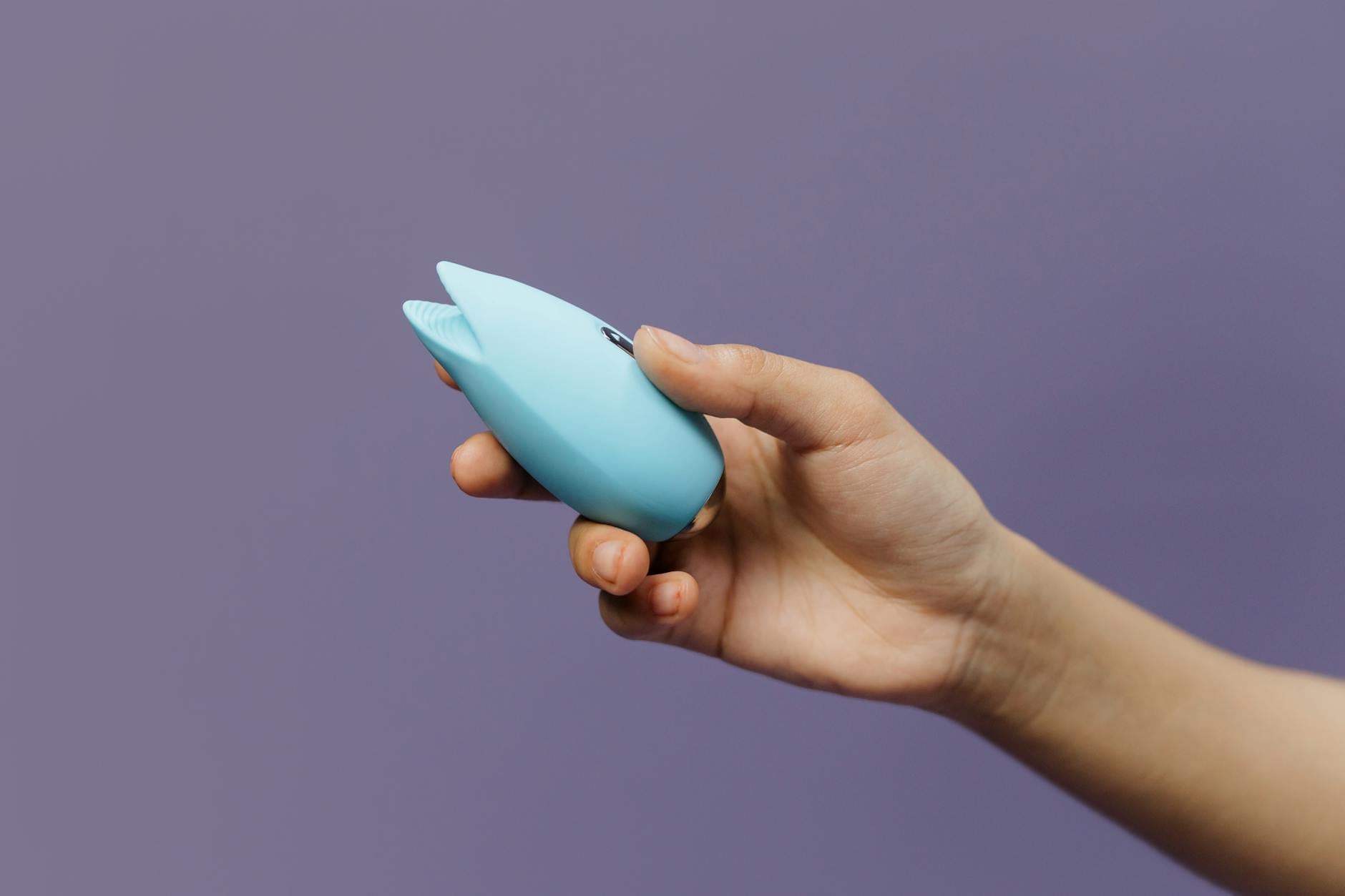
Lemon clitoral vibrators, and the lemon sucker technology specifically, work on a different mechanism. Instead of rapid vibration, they use pulsing suction. This creates a pressure wave that travels deeper into the clitoral complex, reaching nerves that might not be responding to surface-level vibration. Think of it like the difference between tapping on a glass and gently pulling on it. The pull reaches further.
For people with low sensation, this deeper stimulation often feels like the first real thing they've felt in months or years. It's not because the vibrator is stronger. It's because it's accessing sensation through a different pathway.
If numbness is new or severe, jumping straight to a lemon vibrator on pattern 2 is going to feel like nothing happened. You need to rebuild your nervous system's ability to detect sensation first.
Start with non-vibrating touch. Hands, fingers, a soft brush, a feather. Spend two to three weeks just exploring what you can and can't feel. Map it out. Mark down which spots have any sensation at all, no matter how faint. This is not foreplay. This is reconnaissance. Your brain needs to relearn where sensation lives.
Then introduce the lemon vibrator on the absolute lowest setting. Pattern 1. Apply it to the areas where you found the most sensation first. The outer labia often has more nerve endings than you'd think. Start there. Hold it in place for 30 to 60 seconds. Don't move it around. Let the sensation build rather than chasing it.
Most people with low sensation report that they feel nothing for the first 10 to 30 seconds, then suddenly a warmth or tingling appears. That's the blood flow increasing and the nerves waking up. This is progress. This matters.
With a Hello Nancy lemon clitoral vibrator, ignore the impulse to turn up the intensity. Most people with low sensation get better results by extending session length and using lower patterns consistently than by jumping to higher intensities.
Pattern 1 and 2 are your sweet spot. Use them for 3 to 5 minutes per session. You're not trying to orgasm right now. You're trying to teach your body to feel again. Many people find that after three to four weeks of daily 5-minute sessions on pattern 1, sensation starts to return noticeably.
Once you feel tingling or warmth reliably, you can move to pattern 3 or 4. But slow progression is not boring. It's smart. Each time you increase, you're working with your nervous system's actual recovery capacity, not fighting it.
If sensation is tied to anxiety or trauma, add a grounding ritual. Before you use the vibrator, spend two minutes naming five things you can see, four you can touch, three you can hear, two you can smell, one you can taste. This settles your nervous system. Then use the vibrator.
When sensation is low, every bit of friction reduces what little feeling you have. A water-based lubricant creates a smooth surface that lets the suction work without drag. It also increases blood flow slightly, which helps sensation.
Apply the lubricant generously. More than you'd use with a partner. The slickness is your ally here, not a sign you're doing something wrong. This is part of rewaking sensation, not replacing it.
If your low sensation is a side effect of an antidepressant or blood pressure medication, talk to your doctor before assuming the lemon vibrator won't work. Sometimes switching the timing of your dose or adjusting the dose slightly can help sensation without compromising your health. Don't stop the medication on your own, but do mention this to your prescriber.
If numbness is hormonal, treating the underlying issue sometimes restores sensation. Diabetes management, thyroid treatment, or hormone therapy can all shift things. And while you're working on that, the lemon vibrator still helps. It's not just a workaround. It's part of the healing.
Some people feel the difference in days. Others need weeks or months. This depends on what caused the numbness and how long it's been there. Diabetes-related numbness took time to develop, and it takes time to improve. Trauma-related numbness can shift faster once the nervous system feels safe.
Track what you notice. Not orgasms. Not intensity. Warmth. Tingling. A slight increase in where you can feel. Small shifts mean the pathway is opening. Keep going.
One note: if sensation returns but you also develop pain, that's actually progress disguised as a problem. It means the nerves are healing and recalibrating. Talk to your doctor about it, but don't panic. Nerve pain during recovery is common and usually resolves.
If you have a partner, be honest about what's happening. "I'm working on rebuilding sensation. It's not about you. I need to explore this alone right now." Most partners understand. The ones who don't, well, that's a different conversation.
Some people find that once sensation starts returning solo, they're ready to involve a partner. Others prefer to rebuild feeling on their own first. Both are fine. There's no timeline for reintegrating a partner into pleasure once sensation is returning. Go at your pace.
If numbness appeared suddenly or is getting worse despite using the lemon vibrator consistently, see a neurologist or your gynecologist. This could indicate an underlying condition that needs attention. Don't wait months. Sudden nerve changes deserve professional evaluation.
If numbness is tied to a chronic condition like diabetes or fibromyalgia, let your healthcare provider know you're using the lemon vibrator as part of sensation rebuilding. They might have additional strategies or adjustments that help. You're not asking permission. You're adding context to your health picture.
Low sensation often comes with grief. Grief for the pleasure you used to feel. Grief for the ease you've lost. That's real, and it matters. A lemon vibrator is a tool, not a solution to that grief. But it can be a symbol that you're not giving up. That you're trying. That sensation matters enough to you to do this slow, patient work.
Many people find that rebuilding sensation also means rebuilding trust in their body. Your body didn't betray you. It's just in a season where it needs different support. The lemon vibrator is part of that support. So is patience. So is the willingness to feel whatever comes, even if it's nothing at first.
It depends on what caused the numbness. Mild, recent numbness might show improvement in two to three weeks. Chronic numbness from diabetes or surgery can take two to three months of consistent use. The key is consistency, not intensity. Daily five-minute sessions on a low pattern usually outperform occasional longer sessions. Track small changes like tingling or warmth, not just orgasms.
Yes, often. The vibrator can help rebuild sensation while you're on the medication. Talk to your doctor about whether adjusting the timing or dose might help, but don't stop taking a medication without professional guidance. Some people find that combining the lemon vibrator with other nervous system work, like meditation or somatic therapy, speeds sensation recovery.
Completely normal. If numbness is severe, you might feel nothing for the first few sessions or even weeks. This doesn't mean the vibrator isn't working. It means your nerves are dormant and need consistent gentle stimulus to wake up. Keep going. Most people report that sensation appears suddenly, often after 20 to 40 sessions.
No. In fact, the opposite usually works better. Low sensation means your nerves need consistent, gentle stimulus over time, not aggressive intensity. Pattern 1 and 2 for longer sessions (three to five minutes) usually produce better results than high patterns. Once sensation starts returning, you can experiment with other patterns.
Yes, but only after you've started working with your nervous system in other ways. Trauma locks the nervous system into protection mode. A lemon vibrator can help rebuild sensation once you've begun the trauma recovery work, whether that's therapy, somatic release, or grounding practices. Combined approaches work better than the vibrator alone.
Start with the areas that have better sensation. Use the lemon vibrator on those spots for two to three weeks. As sensation spreads and your nervous system becomes more responsive, gradually introduce the vibrator to the numb areas. You're teaching your body in layers, which is gentler and more sustainable than trying to wake everything up at once.
Low sensation is not permanent, and it's not a reason to give up on pleasure. It's an invitation to slow down, pay attention, and learn your body in a new way. A lemon vibrator is one tool in that learning. Patience is another. And the belief that your body deserves to feel good, even if it takes time, is the most important one of all.
If you want to talk through your specific situation, our team at Hello Nancy is here. Reach out at /contact. You're not the only person rebuilding sensation, and you don't have to figure it out alone.