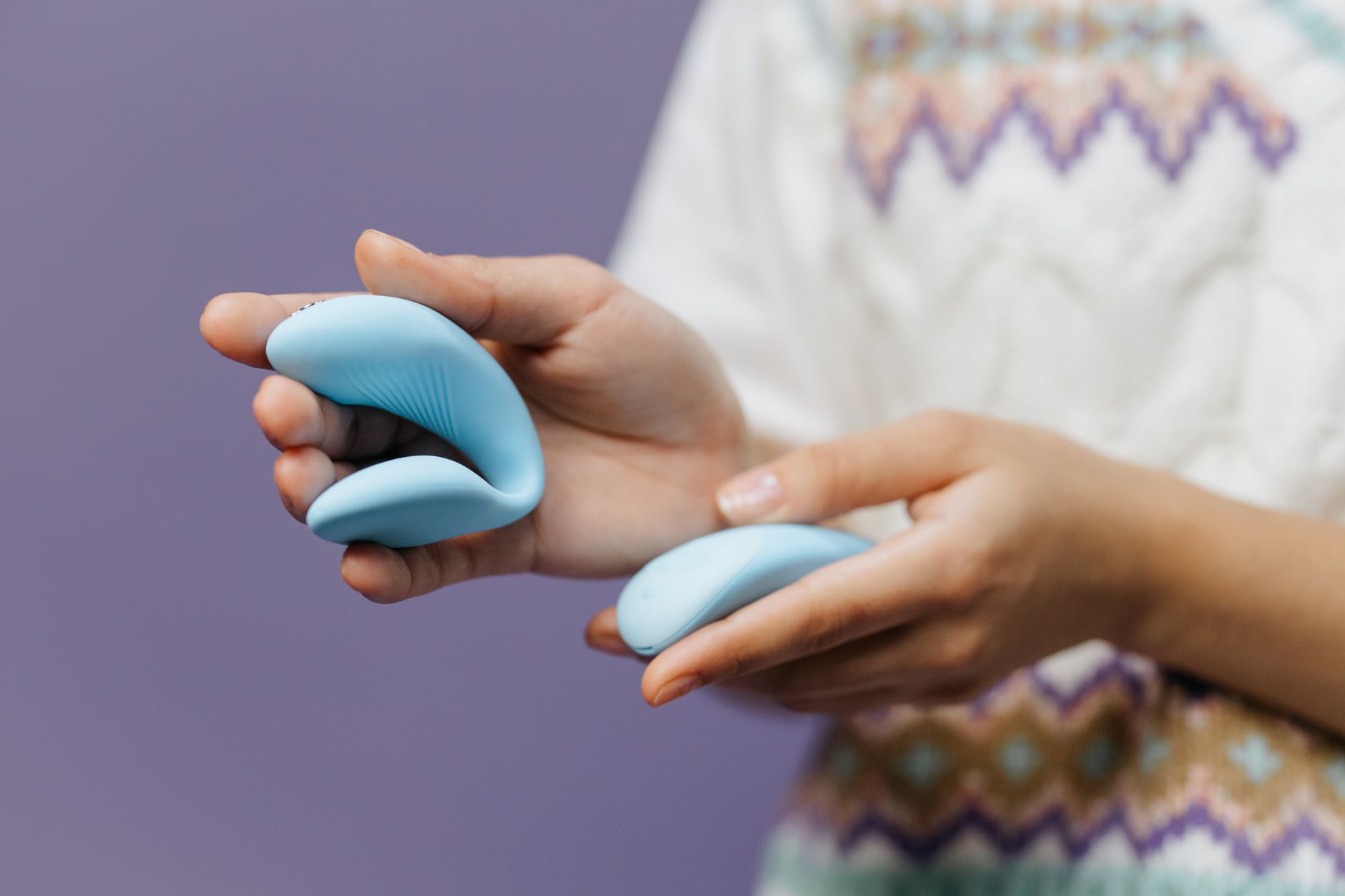
Let's be real about pleasure mismatch
One of you wants to explore. One of you feels intimidated. One person loves sensation and the other finds it too much. One partner's ideal rhythm is five minutes; the other needs thirty. This isn't a failure. This is almost every couple at some point, and it's exactly where a lemon clitoral vibrator can either become a landmine or a bridge. The difference is how you talk about it first.
Mismatched pleasure preferences aren't about incompatibility. They're about two people with different nervous systems, different histories, and different bodies trying to share one intimate moment. When you stop treating your partner's different desire as a problem to solve and start treating it as information to work with, everything shifts.
The conversation before the toy even arrives
Here's what most couples skip: naming what different actually means before you introduce anything new. You assume "they'll like this" or "this will fix it." Then the lemon vibrator sits on the nightstand and becomes a symbol of all the things you haven't actually said.
Start here instead:
Ask what they're actually nervous about. Not "Do you want to try toys?" but "What's the hesitation?" Is it feeling inadequate? Is it wanting to stay traditional? Is it sensory overload? Is it trusting that they won't be pushed into something? These are wildly different conversations, and they need wildly different reassurances.
Name what you actually want from this. Not "I want us to have better sex" but the specific thing: "I want my clitoral sensitivity to matter more in what we do together." Or: "I want to feel less pressure to come the way your body moves." Or: "I'm curious and want permission to explore without it feeling like a referendum on you." Precision matters.
Agree that this is about expansion, not replacement. If your partner thinks the lemon vibrator means they're not enough, you're starting from a hole. Be explicit: "This is not instead of you. It's one more thing we can do together or that I can do for myself." Then mean it.
When one of you is skeptical
Skepticism usually lives in one of three places: shame ("this feels wrong"), inadequacy ("you must not want me"), or overwhelm ("this is too much stimulation for me"). These need different approaches.
For shame: Your partner grew up with messaging that sexual pleasure is dirty, risky, or selfish. A toy makes that real in a way that's scary. The move is slow. Maybe you use your lemon clitoral vibrator alone first, with your door open, making it normal and visible. Maybe they watch without touching. Maybe they hold it while you use it. Maybe you put your hand over theirs while they hold it. The toy isn't the issue. Permission is. Give it sideways.
For inadequacy: "You're saying you need more than I can give." This one needs reassurance that's specific enough to land. "Your hands do things this toy can't. When I use this alone, I'm practicing sensitivity. When we use it together, I'm learning what feels good so I can tell you. That's about us, not about you not being enough." Then prove it. Have sex without the toy sometimes. Let them see you using it solo. Show them the connection, don't just announce it.
For overwhelm: Some people are genuinely bothered by intensity. They have a lower sensory threshold. Their nervous system reads vibration as overstimulation. This isn't fragility. It's their body. Skip the lemon vibrator for now and focus on why intensity feels bad. Is it too fast? Too focused? Too continuous? Sometimes a partner who seems uninterested in sensation is actually protecting themselves from pain. That's worth exploring separately with someone trained.
When your needs are actually different
Let's say one of you is highly sensitive and loves sustained, medium-intensity stimulation. The other needs quick, variable intensity to reach sensation at all. A standard lemon clitoral vibrator has patterns and speeds. Use them differently.
Assign the controls to the person whose body we're working with. If you're the one being stimulated, you hold the toy (or at least have your hand over theirs). You control speed, pressure, and pattern. Your partner is there, present, but following your lead. This isn't selfish. It's the only way to get accuracy.
Alternate who's driving. One night, you use the toy exactly how your partner loves it. They direct. Next time, they use it on you, your way. You get to be clear: "I want pattern three, medium speed, held just there." This isn't mechanical. It's informed. It's the difference between hoping they'll guess and actually telling them what works.
Separate sensation from penetration or other activity. If one of you needs the lemon vibrator's clitoral stimulation to reach climax and the other finds concurrent penetration too much, stop stacking them. Use the vibrator until they're close, pause, add whatever else feels good, then return to the vibrator. Rhythm breaking isn't failure. It's choreography.
When one of you wants to explore and the other doesn't
This is harder because it's not just about technique. It's about permission and desire itself.
If you're the explorer, resist the urge to convince them this will "fix" things. That pressure usually makes them dig in. Instead, own your curiosity without making it their responsibility. "I want to try using a lemon clitoral vibrator sometimes. I'm not asking you to want this. I'm asking you to not want me to want it less."
Then use it when they're ready to observe, not participate. Maybe you use it during partner sex sometimes. Maybe you don't. Maybe you use it alone and they know about it and that's enough. The point is you're not waiting for them to validate your pleasure.
If you're the hesitant one, notice whether you're hesitant because toys genuinely feel wrong to you, or because you're worried about what it means about you. Those are different. The first is a boundary. The second might be a story worth examining.
Many people who said they'd never use toys eventually found that when the pressure lifted and they got curious for themselves, they wanted to try. Others tried and genuinely didn't care. Both outcomes are fine. Forcing curiosity on someone is what turns toys into resentment.
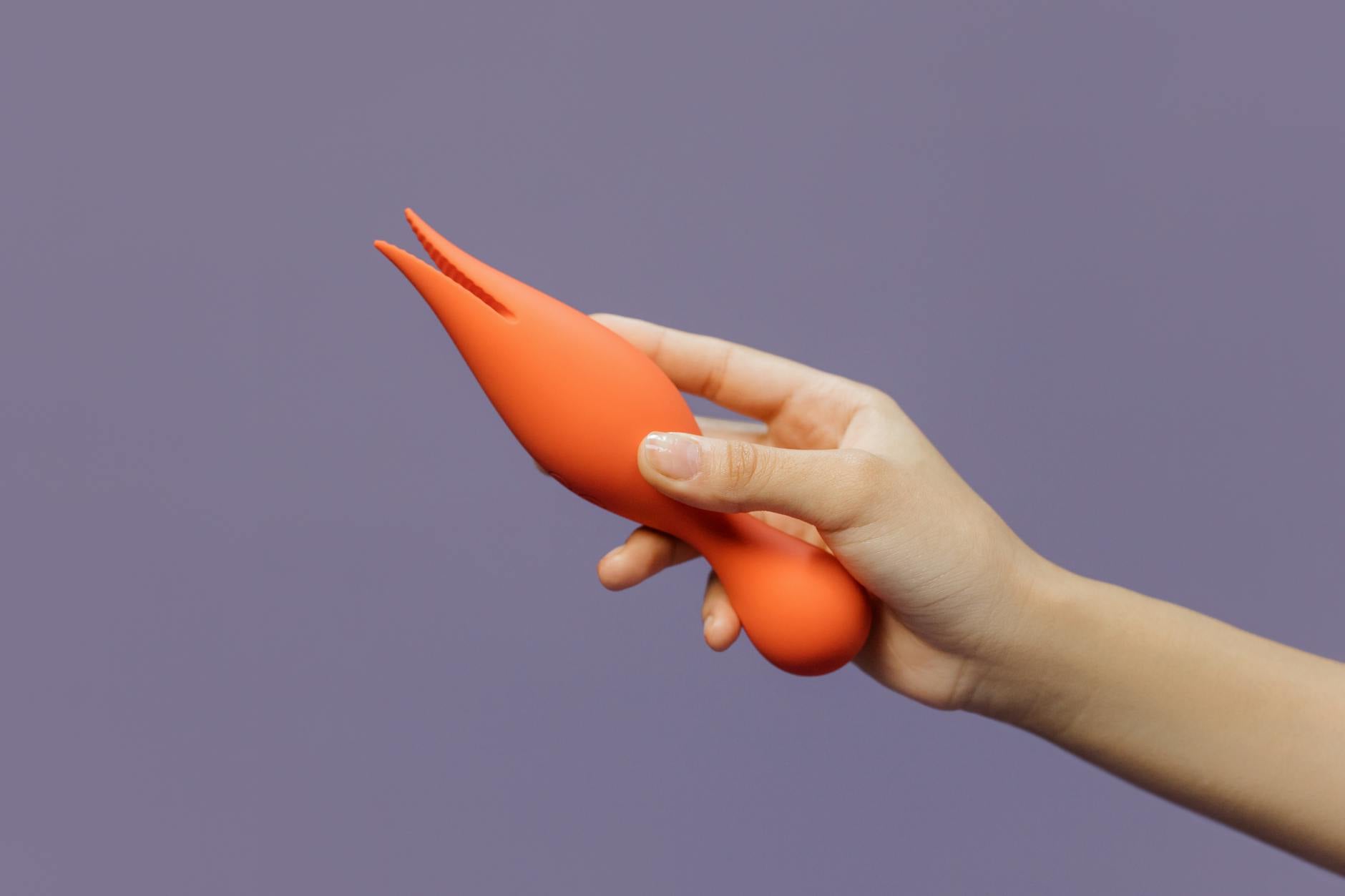
Photo by cottonbro studio on Pexels
The rhythm mismatch that never gets named
One of you climaxes in eight minutes. The other needs forty-five. One likes warm-up; the other wants to skip straight to intensity. One person's sensitivity changes throughout the month. One partner's needs shift with stress or medication. This is where most couples just give up and say "our bodies don't work together."
They do. You're just trying to synchronize clocks that run at different speeds.
Use the lemon vibrator as permission to stop syncing. You don't have to climax at the same time. You don't have to want the same thing at the same moment. Take turns. One partner uses the toy until they're satisfied. Then the other. Or alternate who gets the vibrator tonight. Or use it on the person who needs it most when the other person is tired. This sounds transactional. It's actually more intimate because it's honest.
When you need to have the hard conversation
Sometimes the vibrator reveals something bigger: one person actually doesn't want you. One partner is checked out. One person is using the toy as a way to avoid asking for help with something else entirely. The lemon clitoral vibrator isn't the problem. It's the symptom.
If you're noticing rejection when you introduce a toy, or if your partner suddenly seems resentful about something you thought you'd agreed on, pause. This needs a real conversation, probably with someone trained. A marriage coach, a therapist, someone who can help you untangle whether this is about the toy or about something deeper.
Most couples don't fail because their pleasure is mismatched. They fail because they never actually talked about it. They negotiated in silence, assumed consent, and then blamed the toy when things fell apart. Don't do that.
Making it work when nothing feels natural
Here's what I tell couples in my practice: your lemon vibrator doesn't need to feel sexy right now. It needs to feel safe, clear, and honest. Sexy comes later, after you've both figured out that you can talk about this without shame and navigate it without resentment.
Start somewhere small. Maybe the toy lives in a drawer you both know about. Maybe you use it alone first. Maybe you tell your partner about it before you bring it home. Maybe you ask what they're curious about instead of deciding for them. Maybe you ask what they're worried about instead of dismissing it.
Every couple I've worked with who successfully integrated toys into their relationship did it the same way: they prioritized communication over sensation. They made it more important to be clear than to be spontaneous. That sounds unsexy until you realize that actually knowing what your partner wants is the hottest thing there is.
People also ask
How do I introduce a lemon clitoral vibrator to a partner who thinks toys are unfaithful?
That's a values story, not a facts story. You can't logic someone out of "toys mean infidelity." Instead, name what's actually true: "I'm loyal to you and I also want to explore sensation. These aren't in conflict." Then respect their timeline. Don't sneak it. Don't convince. Own your choice and let them decide what they want to do with that information. Many partners come around when they see that bringing a toy into the relationship deepens intimacy instead of replacing it.
What if my partner wants to use the lemon vibrator on me but I'm uncomfortable with them controlling it?
Tell them. "I want to guide this right now. Can you hold it and let me move your hand?" Or: "Can you start at this speed and pattern and I'll tell you if I want to change it?" or even: "I need to use it myself to feel in control of my pleasure right now." A partner who cares about your comfort will adjust. If they resist, that's information that this isn't just about the toy.
How often should we use the lemon clitoral vibrator together if one of us is more interested than the other?
There's no frequency that's correct. Some couples use it weekly. Some monthly. Some only when one person specifically requests it. The goal isn't balance or fairness. It's consent and desire. If one of you doesn't want it, using it anyway breeds resentment. If one of you really wants it and the other is neutral, compromise might be "once a month when you're really in the mood." If one of you loves it and the other hates it, that's a different conversation. That's about whether you can each get some of what you need.
What if we tried it once and it felt awkward and neither of us wants to try again?
Then don't. Not everything needs a second chance. Awkwardness during sex is normal and usually passes with practice, but if you both felt weird, revisit why. Was it the timing? The pressure you'd built it up in your head? Was one of you actually not ready? Sometimes tools just don't fit a relationship and that's fine. A lemon vibrator isn't a requirement for good sex. Communication is.
Can a lemon clitoral vibrator help if we're not interested in the same kind of touch?
It can help you each get what you need separately. It can also help you find compromise in shared moments. What it can't do is make you want the same thing if you genuinely don't. If one of you loves soft and slow and the other needs fast and firm, a toy can give you both some access to what feels good. But the real work is accepting that you're different and making space for that instead of trying to become the same.
My partner thinks I'm using the lemon vibrator because I want to leave the relationship. How do I fix this?
You don't fix it by not using the toy. You fix it by understanding that their fear is bigger than the vibrator. They're scared they're not enough. A lemon vibrator didn't create that. It exposed it. That's actually useful information. The conversation you need is: "What would make you feel secure in this relationship?" The answer probably isn't "stop using the toy." It's "spend more time with me," or "tell me you want me," or "help me believe you're not leaving." Handle the real fear. Then the toy becomes just a tool, not a symbol.
The truth about different desires
You don't need to want the same things to want each other. A lemon clitoral vibrator, used with honesty and respect, can be part of a relationship where pleasure is flexible instead of rigid. Where one person's needs don't erase the other's. Where exploring sensation is something you do together, not instead of togetherness.
Start with the conversation. Everything else follows from there. If you're navigating bigger relationship disconnection around intimacy, reaching out to a coach or therapist can help you both feel heard. That foundation matters more than any toy.
Your pleasure matters. Your partner's does too. Those things don't have to be in conflict.