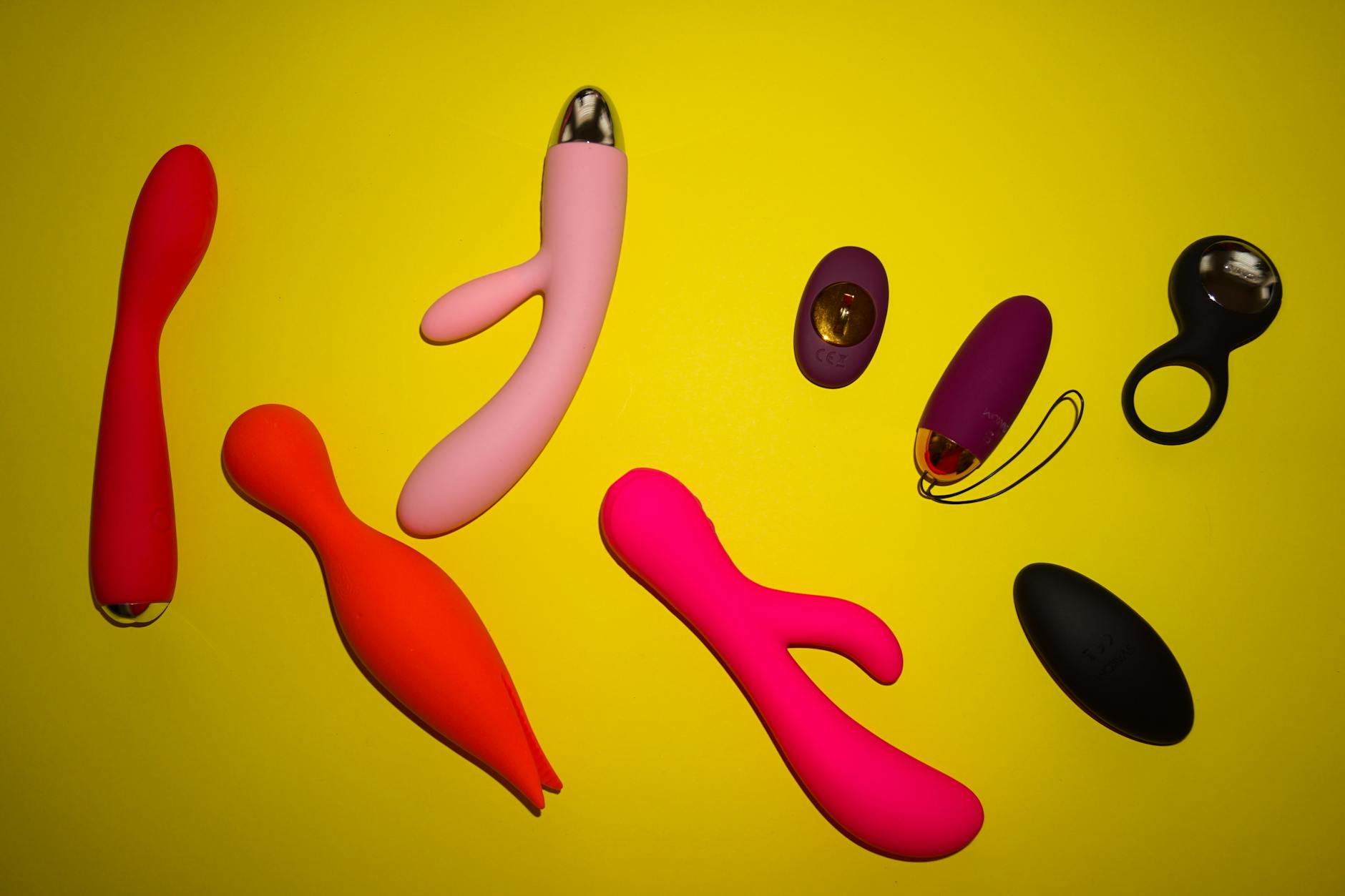
Let's start here
Sharing a lemon vibrator between partners works fine if you follow one rule: treat it like you'd treat a toothbrush. You wouldn't share a toothbrush with someone without rinsing it first, right? Same logic, zero drama.
The thing nobody talks about is that most people are already sharing toys with partners. They just don't think about it, which creates exactly the kind of anxiety this post is here to dissolve.
Why sharing a lemon clitoral vibrator is actually straightforward
Here's the medical reality. The vulva has its own microbiome. Different partners have different bacteria on their skin and in their bodies. When a lemon vibrator (or any sex toy) moves between partners without cleaning, you're introducing bacteria from Partner A's environment into Partner B's environment. That's the actual risk, and it's manageable.
Bacteria on healthy skin is normal. Bacteria moving between people can introduce unfamiliar strains that trigger infection. The solution isn't to ban sharing. It's to clean between uses.
I work with a lot of couples who feel sheepish asking about this. The couples who actually have the easiest time with shared toys are the ones who talk about it plainly, set boundaries, and treat hygiene as a logistical step, not a moral judgment.
The cleaning protocol that actually works
You have three options, depending on your toy and your preferences.
Option 1: Water and soap (best for silicone toys like the Lem). Warm water, mild soap, 30 seconds. Dry completely on a clean towel. This is genuinely enough for most cases. Silicone is non-porous, which means bacteria don't have anywhere to hide.
Option 2: Toy cleaner spray. Spray it on, wipe with a clean cloth, let air dry. Takes 20 seconds. This is useful if you want a second layer of assurance or if you're in a rush.
Option 3: Boiling (for silicone only). If someone's had an infection or you want nuclear-level sanitization, boiling for 3-5 minutes kills virtually everything. Not necessary for routine sharing, but an option if anxiety is high.
Do not use harsh chemicals, bleach, or anything that will degrade the silicone. Do not put a lemon sucker or any clitoral vibrator in the dishwasher, even on the top rack. Heat can warp the motor.
The conversation that matters more than cleaning
Honestly, the hygiene part is the easy part. The harder part is saying out loud, "I want to share this toy with you, and here's how we'll keep it clean."
If you're sleeping with multiple partners (ethically, with everyone's knowledge), naming the shared toy protocol feels vulnerable. It means admitting you have sex. It means being specific about your body. A lot of people find that harder than the actual sharing.
Here's what I tell couples: start with "I want to keep this toy clean between us. I'm thinking we rinse it with warm water after each use." That sentence does two things. It shows you're thinking about health, and it invites them into the system without making them feel inspected or judged.
If someone pushes back ("That's weird" or "Why would we do that"), that tells you something useful about how they think about sex and risk. That's actually valuable information for the relationship.
When sharing gets complicated
There are a few situations where the standard protocol shifts.
If someone has a current yeast or bacterial infection. Don't share. Full stop. Yeast is contagious, and bacterial infections can spread too. Wait until they're treated and confirmed clear by a doctor. This is the one time toy-sharing is genuinely off the table.
If someone has an STI that affects genital tissues. HSV (herpes) is the main one. If a partner has an active outbreak, avoid any toy contact with that area until it heals. If they don't have an active outbreak, standard cleaning is sufficient. STIs don't live on toy surfaces the way bacteria do.
If someone is immunocompromised. Diabetes, medications that suppress immune function, or other conditions that make infection more likely. In these cases, consider a dedicated toy or clean between uses with a higher-tier method (toy cleaner or boiling).
If someone is pregnant. Vaginal pH changes during pregnancy, which can make infections more likely. Clean between uses, and if irritation appears, pause sharing and check in with an OB.
The boundary-setting piece
Sharing a toy isn't the same as sharing everything, and you get to have preferences.
Maybe you're comfortable with your long-term partner using your lemon clitoral vibrator, but not a casual partner. That's a valid boundary. Maybe you're fine with sharing as long as you're the first person to use it each session. Also valid. Maybe you'd rather each partner have their own toy. Totally fine.
The rule is simple: your pleasure, your rules. You get to set whatever boundaries make you feel good. The key is saying them out loud instead of letting resentment build.
I've worked with couples where one partner was silently uncomfortable with sharing but didn't want to seem "uptight," so they went along with it and then felt violated. That resentment then leaked into sex itself. The toy wasn't the problem. Unexpressed boundaries were.
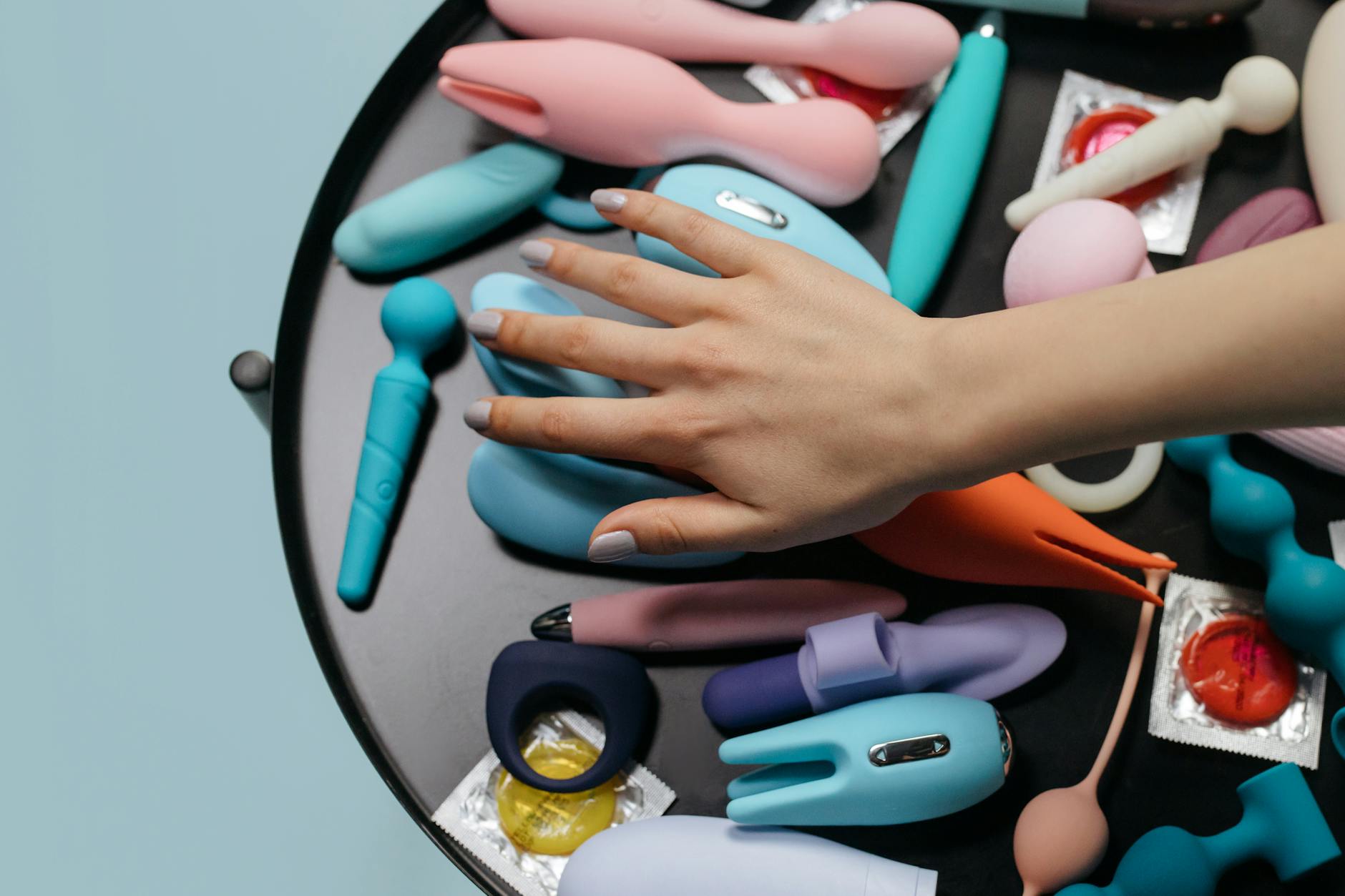
Photo by cottonbro studio on Pexels
When to have your own dedicated toy
There are solid reasons to own separate lemon vibrators or clitoral vibrators instead of sharing one.
If you have different preferences (different patterns, different intensity levels), separate toys let you each dial in exactly what you want. If you have sex at different times and don't want to manage the cleaning protocol constantly, separate toys eliminate that friction. If the idea of sharing genuinely makes you uncomfortable no matter how you frame it, don't do it. Your comfort matters more than saving money on a toy.
Hellanancy Lemons makes toys like the Lem that are built to last, so investing in your own if you want one is worth it.
The real conversation starts with you
Before you talk to a partner about sharing, check in with yourself. Why do you want to share? Is it practical (one toy is easier to manage than many)? Is it intimate (you like the idea of using something together)? Is it financial? Understanding your own reasoning makes the conversation easier.
Then ask yourself what boundaries feel important. Is cleanup the thing you care about? Is it limiting who has access? Is it about timing? Once you know, the conversation with your partner becomes concrete instead of vague.
Most people are relieved when someone brings this up directly. It gives permission to talk about sex logistics without it being weird. And then it stops being weird.
FAQ
Can you get an STI from a shared sex toy?
Most STIs require live transmission (blood, semen, vaginal fluid contact). They don't survive well on toy surfaces. Herpes is the exception. If your partner has HSV and an active outbreak, avoid contact. During non-outbreak periods, standard cleaning is enough. Always, always confirm that anyone you're with has been tested and communicates their status clearly.
What if my partner refuses to clean the toy between uses?
That's worth sitting with. It might mean they don't understand the infection risk. It might mean they're uncomfortable with the conversation about sex. It might mean they don't respect boundaries around your body. Have a separate conversation: "I need us to clean this between uses. Here's why. What's making that feel hard for you?" Listen to the answer. It tells you things.
Is there a toy that's easier to share than others?
Silicone toys like the Lem are ideal for sharing because they're non-porous, easy to clean, and durable. Avoid toys made of porous materials (some rubber or cyberskin) if you're planning to share frequently, because bacteria can hide in the pores. When you're shopping for a lemon sucker or clitoral vibrator, silicone is the safest bet for multiple partners.
Should I tell a new partner I want to share a toy with them?
Yes. Frame it practically: "I have a toy I love. I'd like to use it with you. I clean it before and after because I want to keep us both healthy." That sets the expectation and shows you're thoughtful. Most partners find that reassuring, not off-putting.
What if I have a lot of partners and want to keep one shared toy?
That's when you lean toward the nuclear-option cleaning: boiling or a dedicated toy cleaner after every use. Some people do this. It works. The cleaning routine just becomes a normal part of sex, like putting on a condom. Not glamorous, totally normal.
Can yeast move between people through a shared toy?
Yes. Yeast is contagious. If your partner has a yeast infection, the toy should either not be used until they're treated, or you should clean it with a toy cleaner and boil it before your use. Yeast infections aren't fun, so prevention is worth the extra step.
The thing about vulnerability
Sharing a sex toy is honestly more about emotional intimacy than physical risk. It requires you to say, "This is part of my pleasure," and invite someone into that part of your life. That's vulnerable.
The practical cleaning protocols are the easy part. The hard part is building the trust and communication where you can talk about your body's needs without shame.
If you're struggling with that conversation, start small. "I want to use this toy, and I want to make sure we're both safe doing it." From there, everything else unfolds.
Your pleasure matters. Your boundaries matter. Your partner's safety and comfort matter. When all three of those things are respected, sharing actually deepens intimacy instead of creating anxiety around it. That's the real work, and it's worth doing.
If you need more help navigating these conversations with a partner, reach out. Get in touch with us.