Postpartum numbness is not in your head
Let's be real. Nobody talks about this part. You've read about bleeding, sleep deprivation, hormonal shifts. But nobody mentions the moment you realize pleasure just... stopped working the way it used to. That sensation in your clitoris that used to be electric? Gone. Or muffled. Or so faint you're not even sure it's there.
This is postpartum sexual numbness, and it affects way more people than admit it. The reasons are layered, medical, and fixable. Your clitoris didn't retire. It's just temporarily offline, and there are concrete ways to bring it back online.
What's actually happening down there
Three things usually happen at once after birth.
First, your pelvic floor is traumatized. Whether you had a vaginal delivery or a caesarean, your pelvic floor muscles got stretched or cut, then stitched. These muscles wrap around and support your clitoris. When they're healing, they can't transmit sensation effectively. It's like nerve damage that reverses itself, but slowly.
Second, prolactin spikes. If you're breastfeeding, your body is pumping out prolactin, which suppresses dopamine. Dopamine is how your brain processes pleasure. High prolactin = muted pleasure response. This is biological, not psychological.
Third, your tissue is thinner and more fragile. Estrogen plummets after birth, even more dramatically than in menopause (because it happens all at once, not over years). Lower estrogen means thinner vulval tissue, less natural lubrication, and reduced blood flow to the clitoris.
Add sleep deprivation, body image shifts, and the emotional weight of new parenthood, and pleasure feels impossible. Your body isn't broken. It's recovering from one of the biggest physical events it will ever experience.
Why lemon vibrators work differently postpartum
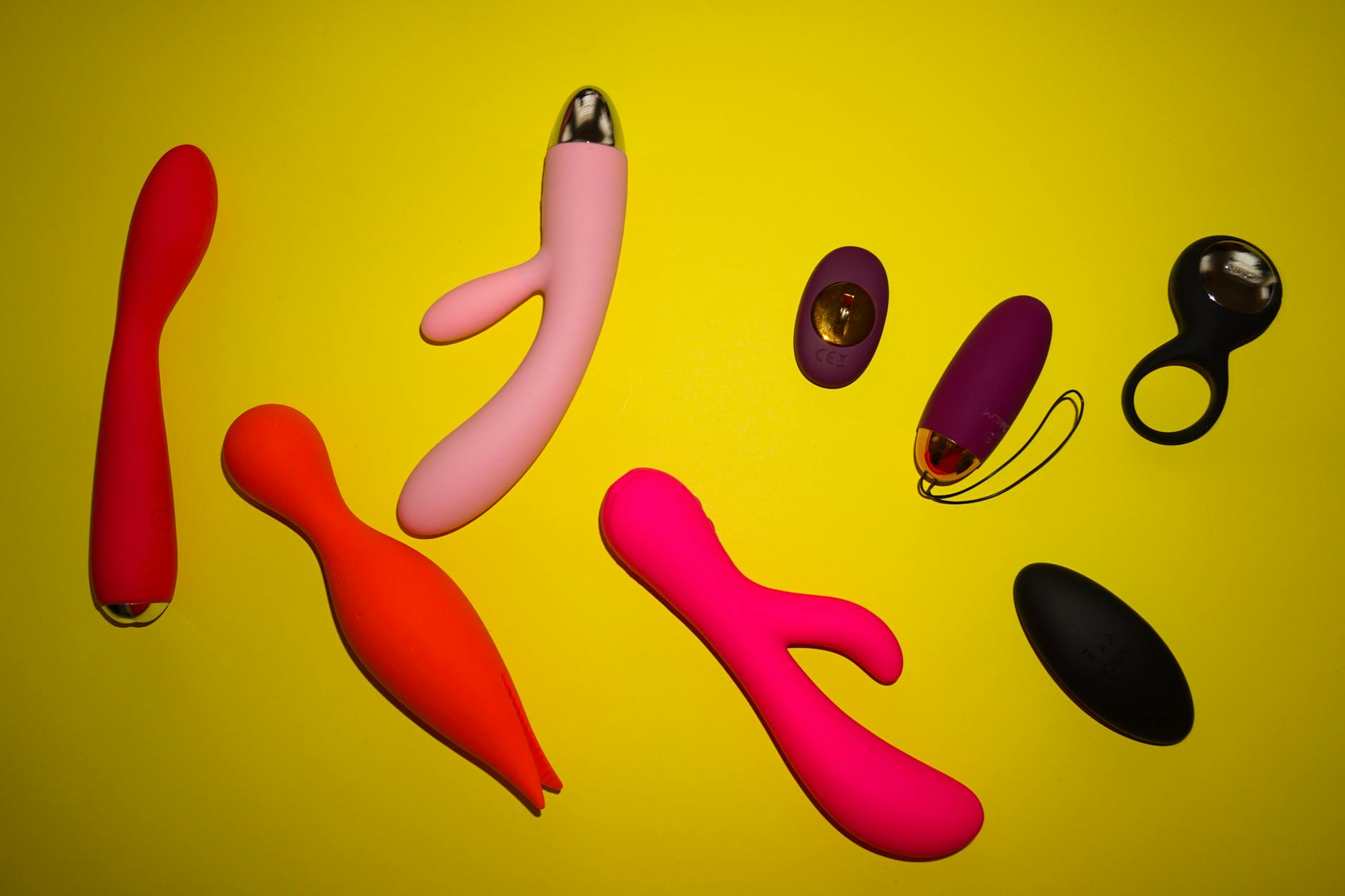
Most vibrators use percussion. They bounce. Your recovering pelvic floor finds this jarring, even painful sometimes. Air-suction technology like the Lemon Clitoral Vibrator works completely differently. Instead of vibrating, it creates gentle suction that stimulates nerve endings without mechanical impact.
This matters enormously postpartum. Suction doesn't require your pelvic floor to be braced. It doesn't aggravate scar tissue. And because the sensation builds gradually rather than arriving as a shock, your nervous system has time to remember what pleasure even is.
The other advantage is precision. A lemon clitoral vibrator sits directly over the clitoris and creates a seal. Postpartum, your clitoris is basically playing hide-and-seek with sensation. That precision targeting means you're not searching for a feeling that might be somewhere in the general neighborhood. You're creating it directly where you need it.
Starting after clearance, and starting slow
Your doctor clears you for sex at around six weeks. This doesn't mean your pelvic floor is remotely ready for pleasure. I recommend waiting another 4-8 weeks before bringing a vibrator into the picture. Your tissues need time to strengthen, and your prolactin levels need time to settle if you're nursing.
When you do start, treat your first session like a sensory exploration, not a pleasure quest.
Set aside 15 minutes when you're alone and the baby is genuinely asleep (not just quiet). Have water-based lubricant ready. Lie down completely relaxed. Start with the Lem on its lowest setting. Don't expect an orgasm. You're teaching your nervous system to remember sensation.
Place it gently over your clitoris and let it run for 60-90 seconds. Stop. Notice what you felt. Was there anything? Numbness? A faint tingle? Just rest? All of these are information. Your clitoris is waking up.
Do this 3-4 times over two weeks before moving to setting two.
The emotional part is doing half the work
Postpartum, you're probably touching your body for function only. Diaper changes, showering in 90 seconds, feeding. Your body becomes a utility. Pleasure feels selfish or impossible or both.
Before you use lemon vibrators, you have to believe (or at least tell yourself) that your pleasure matters. Not as a performance for a partner. Not as proof that you're recovering normally. For you. For your own nervous system.
When you use the vibrator, this is not about reaching an orgasm or proving anything. You're rebuilding a relationship with your own body as a source of sensation, not just as a vehicle for everyone else's needs.
This shift is harder than the technique itself. Most of my clients find that giving themselves permission takes longer than the actual physical recovery.
If you have a partner
Here's where it gets delicate. Your partner might feel rejected or distant postpartum. They might also feel pressure to "help" you pleasure yourself, which reframes the entire experience. Both patterns wreck the recovery.
The conversation to have is this: I'm rebuilding sensation in my body. I need this time solo. When and if I'm ready to include you, I'll tell you. Your job is to handle rejection without taking it personally and to trust the timeline.
If a partner pushes, that's a different problem. And it's worth naming. [How to Use Lemon Vibrators When Your Partner Wants Sex But You're Not Sure Yet] covers that terrain.
When you do eventually bring a partner back in, you'll know what feels good again. You'll be able to direct them. That conversation is infinitely healthier than fumbling around with a numb body while wondering if something's wrong with you.
When numbness lingers past four months
If you're six months or more postpartum and sensation still hasn't returned, something else might be happening. Nerve damage from a difficult birth can take longer to resolve. Medication side effects (especially SSRIs and some blood pressure meds) can suppress pleasure response. Unhealed trauma from the birth itself can keep your nervous system guarded.
This is worth discussing with a pelvic health physical therapist or your OB/GYN. Postpartum sexual dysfunction is medical, not personal, and it's treatable. Pelvic floor physical therapy in particular can accelerate nerve recovery.
Lemon vibrators are a tool for rebuilding sensation. They're not a replacement for professional support if something deeper is stuck.
Reclaiming pleasure on your timeline
Your body just did the hardest thing it will ever do. Pleasure isn't a sprint back to "normal." It's a slow, patient rebuilding of sensation in a body that's been through trauma (even if it's the good kind of trauma).
Lemon clitoral vibrators work because they meet your nervous system where it actually is. Not forcing impact. Not demanding intensity. Just offering: here's a space where sensation is possible. When you're ready. At your pace. [How to Use a Lemon Vibrator When Arousal Takes Longer to Build] digs into the broader pacing questions if you want more.
Your pleasure matters. Your body will remember how to feel it. And you get to decide when and how that happens.
People also ask
When is it safe to use vibrators after giving birth?
Wait for your doctor's clearance (typically six weeks), then give yourself another 4-8 weeks for pelvic floor recovery before introducing any vibrator. Starting too early can irritate healing tissue or aggravate scar tissue. When you do start, begin with the lowest setting and shortest duration (60-90 seconds), then gradually increase over weeks.
Can I use a lemon vibrator if I'm breastfeeding and numb?
Yes. Numbness while breastfeeding is completely normal because of prolactin's effect on dopamine. Lemon vibrators are safe while nursing. Air-suction technology is gentler on recovering tissue than percussion vibrators. The suction approach doesn't require your pelvic floor to be at full strength, which makes it ideal for postpartum use.
What if vaginal penetration feels painful but I want external stimulation?
Postpartum pain or tightness during penetration is common and separate from clitoral pleasure. You can absolutely use lemon clitoral vibrators for external stimulation only, with zero penetration. The device sits directly over your clitoris, so you get sensation and pleasure without triggering any tender internal tissue. Start slow and use plenty of water-based lubricant.
How long until sensation comes back after birth?
For most people, basic sensation returns within 8-12 weeks. Deeper, more intense sensation takes 4-6 months. If numbness persists past six months, mention it to your doctor or a pelvic health physical therapist. Nerve damage from delivery can take longer to resolve, and that's worth investigating with a professional.
Does postpartum numbness mean something is wrong with my relationship?
No. Numbness is a physical response to hormones, tissue trauma, and nervous system recovery. It has nothing to do with desire for your partner. Many people experience total pleasure disconnect postpartum and full reconnection later. Don't confuse a temporary symptom with a relationship problem. Separate the conversations.
Should I tell my partner I'm using a lemon vibrator postpartum?
That depends on your relationship and communication style. Some people share this immediately. Others use this time for solo recovery and bring it up later. The important part is that you're not doing this in secret shame. You're rebuilding your own sensation. Whether your partner knows or not is up to you. If you feel like you have to hide it, that's worth exploring as a separate conversation.
Sources
Kendall, J. S., et al. (2019). "Postpartum sexual function: A systematic review." Journal of Sexual & Marital Therapy, 45(7), 635-650.
Coad, J., Al-Rasheid, K., & Dunstall, M. (2016). Anatomy and Physiology for Midwives (5th ed.). Elsevier.
Leeuw, J. M., & Vierhout, M. E. (2016). "Pelvic floor dysfunction and female sexual dysfunction." Current Sexual Health Reports, 8(4), 234-241.
Emmet, H. L., et al. (2017). "Postpartum sexual dysfunction: What's a clinician to do?" OBG Management, 29(6), 12-22.