Let's start here: your pleasure isn't broken
Whatever happened—disappointment, pressure, pain, betrayal—left a mark. That's real. But it didn't erase your capacity for pleasure. It just made trust harder. And that's exactly why rebuilding alone, at your own pace, works better than anything else.
Many people skip solo exploration after a bad experience because it feels too exposing or too close to what hurt them. I get that. But here's the thing: solo pleasure isn't about recreating what went wrong. It's about reminding your nervous system that good feelings are possible, that you're safe, and that you get to choose what happens to your body. That's the opposite of what a bad experience taught you.
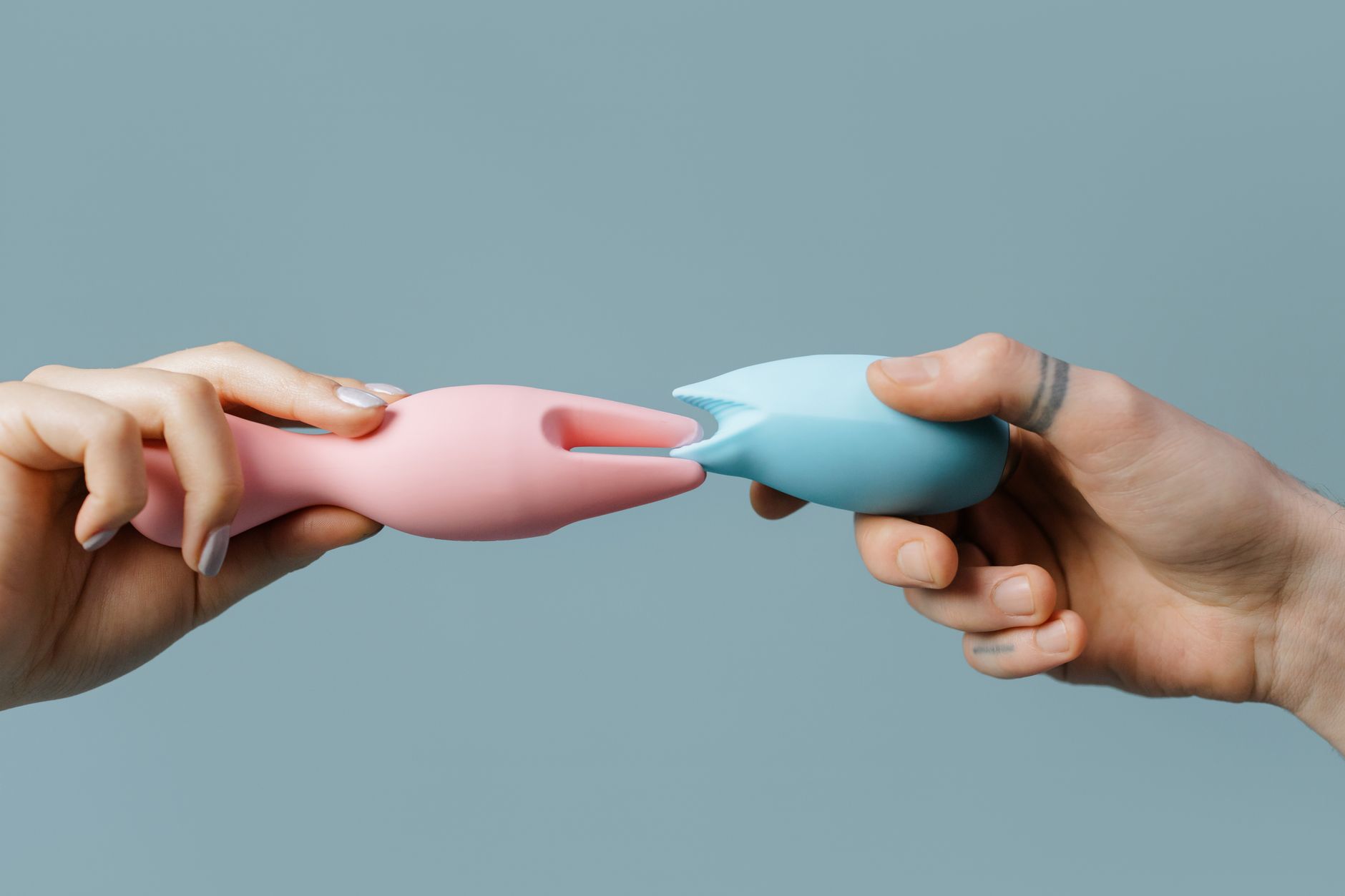
Lemon clitoral vibrators—especially air-suction designs like the Lem—are particularly good for this work because they don't require the vulnerability of penetration. They're external, controllable, and you can stop anytime. Let's talk about how to use them thoughtfully as part of rebuilding.
Why lemon vibrators work for healing and confidence
Lemon sexual toys are designed for precision and control. Air-suction technology creates a seal around the clitoris and delivers gentle, rhythmic pulses without direct friction. That matters when you're rebuilding because it means you're not replicating penetrative pressure, which is often where the fear lives after trauma.
The lemon clitoral vibrator operates differently than traditional vibrators. You can start at the lowest setting—barely-there sensation—and work up. You're never surprised by intensity. You can pause mid-session without it being weird. There's no partner reading your body; you're reading your own signals.
Because lemon adult toys have multiple patterns and intensities, they also give your nervous system permission to find what feels genuinely good, not just what you thought you should tolerate. That distinction is huge.
The first session: preparing your environment
Don't rush into sensation. Prepare the space first.
Choose a time when you won't be interrupted. Lock the door. Turn off your phone. Put on music if silence feels too heavy. Some people light a candle; some dim the lights. The goal isn't ambiance—it's signaling to your nervous system that this is a safe container.
Have lubricant nearby. Water-based is best for lemon sexual toys; it's gentle, easy to clean, and won't degrade silicone. Even if your body naturally produces lubrication, having it there removes one small variable and tells your body you're prepared and cared for.
Wash the lem vibrator or whichever lemon clitoral vibrator you're using with warm water and mild soap beforehand. This isn't just hygiene; it's ritual. You're taking care of yourself. That matters.
Take a breath. Literally. Spend two minutes doing nothing but breathing slowly. Your nervous system is probably wired tight right now. Breathing signals safety to your brain.
Starting with touch, not the toy
The mistake people make is going straight to the vibrator. Resist that.
Spend the first 5-10 minutes just touching your own body. Not necessarily your genitals. Your arms, legs, belly, neck. Notice where it feels good. Notice where it feels numb. Trauma often creates numbness in the body as a protective response. You're just mapping that.
Then, slowly, bring your attention to your vulva. You don't have to do anything. Just notice it. Gently touch your outer labia. Feel the texture. Some people cry during this part because it's the first time in months they've touched themselves without shame or pressure. That's normal.
If you feel disconnected or frozen, that's information, not failure. Your body is protecting you. You might need to spend multiple sessions just doing this touch work before the vibrator comes in. That's fine. There's no timeline.
Introducing the lemon vibrator on the lowest setting
When you're ready—and only you know when that is—turn on your lemon clitoral vibrator at its lowest setting. If it's a lem vibrator with multiple patterns, start with the gentlest pulse, not the strongest one.
Don't aim for the clitoris directly yet. Apply the suction gently to your inner thigh first. Get used to the sensation without the vulnerability. This sounds small, but it's doing big work. Your nervous system is learning that this device feels different from what hurt you.
After a few minutes, move to your outer labia. The same low intensity. The goal is sensation without intensity. Pleasure without performance.
When you're ready, bring the lemon vibrator toward your clitoris. You might feel a spike of anxiety. That's your nervous system checking whether it's safe. Pause. Breathe. Tell yourself that you can stop whenever you want. Then, if it feels okay, try the gentlest contact.
What to expect emotionally
You might feel nothing. You might feel too much. You might feel fine until suddenly you don't. Any of those responses is valid.
If you go numb during the session, don't push. Stop. Come back later. Numbness is your nervous system's way of saying not now.
If you feel arousal, let it build slowly. There's no pressure to orgasm. If orgasm happens, good. If it doesn't, also good. This isn't about achieving; it's about reconnecting.
If emotion comes up—sadness, anger, grief—that's your body processing. You don't have to do anything with it except let it exist. Cry if you need to. Stop if you need to. This is your body's work, on its timeline.
Building a sustainable rhythm
After your first session, you might wait a few days before trying again. That's wise. Let your nervous system integrate what happened.
Slowly, you can build a rhythm. Once or twice a week, spend 10-20 minutes exploring with your lemon clitoral vibrator. Gradually, you might increase intensity or experiment with different patterns. You might discover that a specific rhythm or pattern feels reliably good.
That discovery is your baseline of trust. Your body is learning that pleasure is possible, that you can initiate it, and that it's not contingent on anyone else's approval.
If you ever feel pressured—by yourself, by someone else, by the idea that you "should" be further along—pause. Rebuilding confidence isn't linear. You might have a session where everything feels open and easy, followed by a session where you feel guarded again. Both are normal.
Integrating this work into partnered intimacy (if you want to)
This is optional. Rebuilding solo confidence doesn't require a partner.
But if you want to eventually bring a partner into this space, the groundwork you've done alone matters. You know what patterns feel good. You know your own nervous system's signals. You've practiced setting boundaries—like pausing or stopping—in a low-stakes environment.
When and if you're ready to share this with a partner, you might start by using your lemon vibrator while they're present but not involved. That removes the pressure of partner-based performance while building comfort with being seen.
Or you might keep this solo practice entirely separate from partnered intimacy. Both choices are complete and valid.
When to seek additional support
If you're working through trauma from a significant event—assault, coercion, or persistent pain—solo vibrator use is a helpful tool, but it's not a substitute for therapy. A trauma-informed therapist can help you process what happened in ways that vibrators cannot.
If you notice that sessions consistently trigger panic or intense flashbacks, that's a sign to pause and reach out to a professional. You're not failing. Your nervous system is giving you important feedback.
Likewise, if you want to explore with a partner and you're feeling afraid or resistant, talking through that with a couples therapist who specializes in sexual intimacy can help both of you navigate the terrain more skillfully.
The bigger picture
Rebuilding sexual confidence after a bad experience is an act of self-respect. You're not getting over it quickly so you can move on. You're moving slowly so that you can move forward genuinely.
Lemon vibrators—and lemon sexual toys in general—are tools for that work. They're not magic. But they are tools that put you firmly in control, that allow you to experience pleasure on your terms, and that remind your body that good things are still possible.
Your pleasure matters. Not as a performance for anyone else. Not as proof of anything. Just because it does.
People also ask
Can I use lemon vibrators after a traumatic sexual experience?
Yes, but gently and at your own pace. Lemon clitoral vibrators are particularly good for this work because they're external, controllable, and you can start at very low intensities. Start with touch alone, move to the vibrator on its lowest setting only when you're ready, and stop whenever something feels off. There's no timeline. If you're working through significant trauma, combining vibrator use with trauma-informed therapy is ideal.
How long does it take to feel comfortable using a lemon vibrator again after a bad experience?
It depends entirely on what happened and your nervous system. Some people feel ready within weeks; others need months. The pace isn't a reflection of your healing. It's just your pace. Many people find that regular solo exploration—without pressure to "progress"—gradually builds confidence. Trust the process, not the timeline.
Should I tell my partner I'm using a lemon vibrator for rebuilding confidence?
That's your choice. Some people keep it private and use it as solo healing work. Others share it as a way of building intimacy and communication. There's no right answer. If you do decide to share, you might frame it as "I'm exploring at my own pace and it's helping me feel safer." A partner who respects that is someone you can build with.
What if using a lemon vibrator brings up difficult emotions or memories?
That's actually valuable information. Your body is processing. Pause the session. Breathe. You don't have to continue. If emotions consistently come up, that's worth exploring with a therapist. Vibrator use can complement therapeutic work, but it can't replace it if trauma is present.
Are lemon sexual toys designed differently than other vibrators for trauma recovery?
Lemon adult toys often use air-suction technology, which creates a gentler, less direct sensation than traditional vibrators. This can feel safer for people rebuilding confidence because there's no penetration and the sensation is more controllable. That said, any vibrator you feel comfortable with is the right vibrator. The brand or shape matters less than how it makes your body feel.
What settings should I use on a lem vibrator when rebuilding?
Start at the lowest intensity and gentlest pattern. Spend sessions at that level until it feels predictable and safe. Many people stay there for weeks or months. Gradually, you can experiment with higher intensities or different patterns, but only if you want to. There's no rule that says you ever have to use anything but the gentlest setting. That's enough.
The path forward
Rebuilding confidence after a bad sexual experience is possible. It's not fast, and it's not always linear. But it's absolutely real.
Lemon clitoral vibrators can be part of that path. They give you control, predictability, and the chance to experience pleasure on terms that are entirely yours. That matters. You matter. Your pleasure matters.
If you want to explore this work further or need support navigating the emotional side, reach out. Contact Hellanancy Lemons to connect with resources, ask questions, or simply say hello. You're not alone in this.