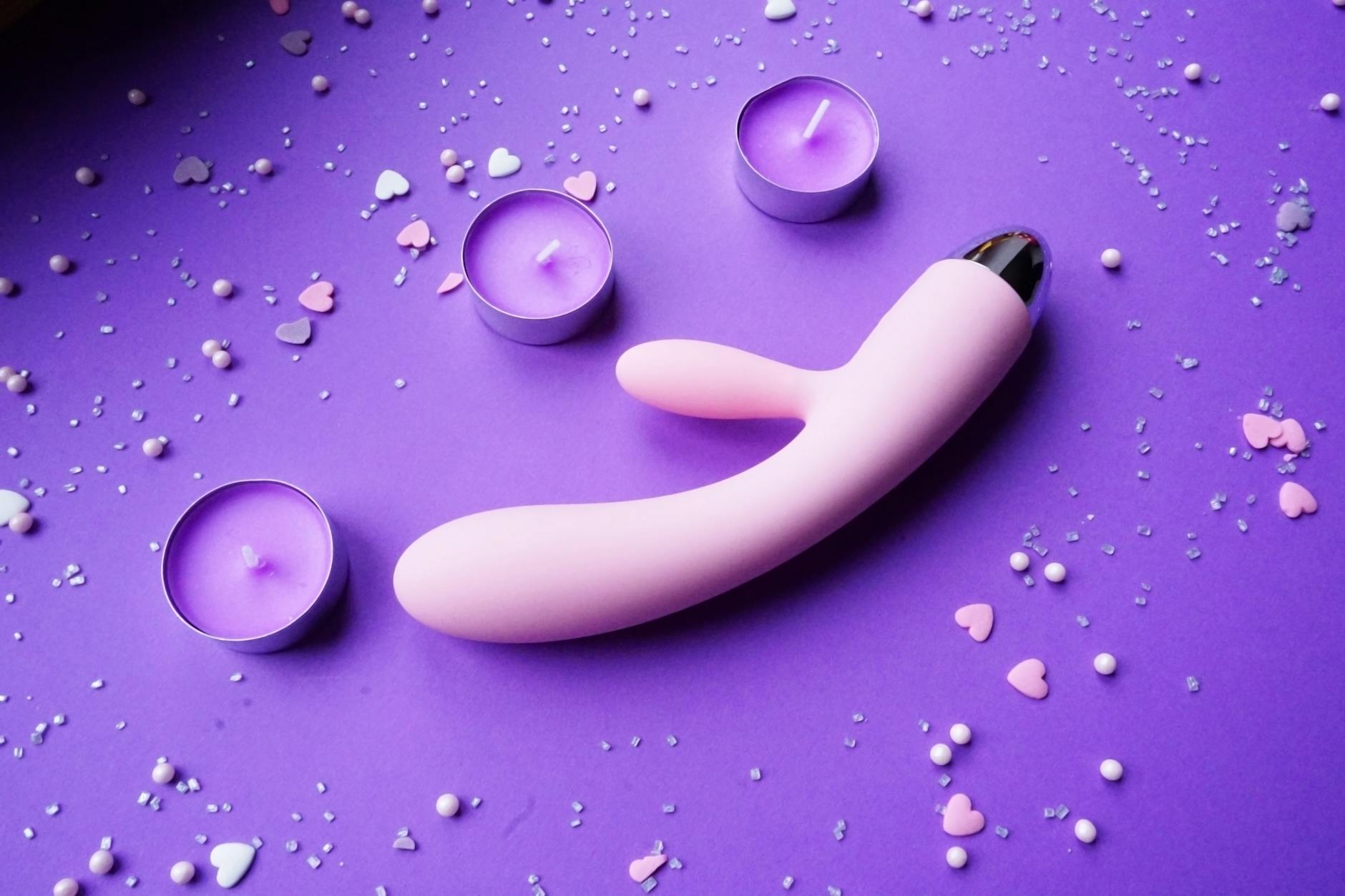
Why Lemon Vibrators Feel Less Intense When You Have Reduced Nerve Sensitivity
If standard vibrators feel like almost nothing, nerve sensitivity loss is real. Here's exactly why lemon clitoral vibrators work better for reduced feeling and what you can actually do about it.
You buy a vibrator everyone raves about. You use it exactly as instructed. And... nothing. Not pleasure. Not sensation. Just a faint buzzing that feels like holding a phone on vibrate against your skin. It's demoralizing, and it makes you wonder if something's broken inside you.
That something is likely your nerve sensitivity, and it's not broken. It's just reduced. And that changes everything about which lemon vibrators actually work for you.
Let's get specific. Your clitoris is packed with nerve endings. Thousands of them. These nerves fire when stimulated, sending signals to your brain that register as pleasure. But several things can reduce how well those nerves respond to standard vibration:
Diabetes and blood sugar dysregulation damage nerves over time. Certain medications, particularly some antidepressants, numb sexual response as a side effect. Spinal injuries, multiple sclerosis, and neuropathies all reduce nerve firing capacity. Hormonal shifts (low estrogen, thyroid issues) thin the tissue around nerves, which makes them less responsive. Chronic stress and nervous system dysregulation can also dull sensation as a protective mechanism.
The result? Standard vibrators feel disappointingly weak. You're not imagining it. Your nerves genuinely require stronger, more targeted stimulation to register sensation.
Most clitoral vibrators rely on rapid oscillation. They buzz back and forth at speeds between 5,000 and 10,000 vibrations per minute. This works brilliantly for people with typical nerve responsiveness. For people with reduced sensitivity, though, that speed isn't the problem. The problem is distribution.
A standard vibrator spreads its vibration across the entire tip or head. This means the stimulation is diffuse. Your already-reduced nerve endings don't receive concentrated enough stimulation to fire. It's like trying to hear a whisper in a crowded room. The sound is there, but it's too spread out to register as meaningful.
There's also the pressure factor. Standard vibrators require direct friction or pressure against the clitoris. If your tissue is thin or your nerves are compromised, that pressure alone can feel uncomfortable without delivering pleasure.
Lemon clitoral vibrators, including the Lem, use a completely different technology called pulsed suction or air-pulse stimulation. Instead of oscillation, they create rhythmic pulses of gentle suction that pull the clitoral tissue into the stimulation chamber.
Here's what that means for reduced nerve sensitivity: the suction concentrates stimulation directly on the clitoris and the nerve-dense area around it. The stimulation isn't spread across a wide surface. It's focused. It's also indirect, which means you get sensation without the pressure-based friction that can feel uncomfortable when nerves are compromised.
And the pulse rhythm is typically slower than oscillating vibrators, somewhere between 1,000 and 2,500 pulses per minute. Slower, more concentrated stimulation is exactly what reduced-sensitivity nerves respond to better.
If you've been using standard vibrators on their highest settings and feeling nothing, you might assume you need maximum intensity vibrators. But with lemon clitoral vibrators, the relationship between intensity and sensation works differently.
Start at settings 1 or 2. Seriously. The pulsing technology is already more efficient at stimulating compromised nerves than oscillation is. Higher intensity doesn't necessarily mean more pleasure. It means more suction force, which can actually become uncomfortable if you jump to it too quickly.
The right intensity for reduced nerve sensitivity isn't the strongest option. It's the setting where you can actually feel sensation building, not just pressure or discomfort. That might be level 3. It might be level 5. Every person's nerve sensitivity is different.
Reduced nerve sensitivity often comes with reduced tissue thickness, particularly if hormonal changes are involved. Thinner tissue is less elastic and more prone to irritation. This is where Hello Nancy's design shines. The Lem's smooth chamber and gradual suction ramp mean you can build sensation without the micro-tears that come from friction-based vibrators on delicate tissue.
Lubrication becomes more important, not because anything's wrong with you, but because thinner tissue benefits from the glide. Use a water-based lubricant generously. It's not a workaround. It's a tool that lets your reduced-sensitivity nerves actually build arousal without fighting tissue resistance.
With reduced nerve sensitivity, you might feel like arousal takes forever to build, if it builds at all. And yes, it does take longer than it might for someone with typical sensitivity. But here's the thing: longer warm-up means more time for blood flow to concentrate in the clitoris, more time for tissue to plump and become more responsive, more time for your brain to engage.
Instead of fighting this, lean into it. Budget 20-30 minutes for pleasure, not 10. Start with the Lem on a lower setting and let it run while you focus on other sensations: touch, breathing, what your partner's doing if you have one. By the time you're 20 minutes in, your tissue is more engorged and your nerves are firing better.
This isn't a limitation. It's actually closer to how many people experience pleasure in long-term relationships. The rush is optional.
If your reduced nerve sensitivity came on suddenly or is linked to a medication, that's a conversation to have with your doctor. Some antidepressants have less sexual side effects than others. Some medications that reduce sensation also come with timing options (taking them at night instead of morning, for example, can shift when numbness hits).
Diabetes management, thyroid balance, and nerve health all improve sensation when they're managed well. You're not stuck with this forever.
That said, while you're working on the root cause, a lemon clitoral vibrator is genuinely useful because it works with your current reality, not against it.
If you have a partner, they might feel shut out by reduced sensation. It's not their fault your nerves aren't firing the way they used to. But it's also not your job to perform sensation you don't feel.
Using the Lem solo lets you explore what actually feels good right now, without pressure. Once you know your body's current pleasure map, you can bring your partner in and show them. "This setting, this speed, this rhythm actually feels like something to me." That's information they need and want.
Your nerve sensitivity is part of your current reality, not a judgment on your worth or your capacity for pleasure.
Reduced nerve sensitivity is exacerbated by stress, distraction, and nervous system activation. Your body has to feel safe to send pleasure signals at all.
This means: privacy, time, zero rushing, and ideally a partner or space where you don't have to perform. Silence or music that you love, not what you think you should like. Temperature matters too. Cold reduces blood flow; warmth opens it up. A blanket, a heated room, or a bath before solo time helps.
These aren't luxuries. They're the conditions your nervous system needs to work with already-compromised nerves.
It varies. Some people feel something in the first few sessions. Others take a few weeks of regular use as tissue becomes more engorged and responsive. If you've felt nothing after a month of regular use (2-3 times per week), a different issue might be at play. That's when talking to a specialist makes sense.
Yes, and many people with diabetic neuropathy report that the Lem works better than standard vibrators. That said, diabetic neuropathy can also cause tissue fragility. Use lubricant generously, start on lower settings, and stop if anything feels uncomfortable. Your goal is sensation, not intensity.
It can, depending on the cause. If it's medication-related, switching medications helps. If it's hormonal, hormone balance improves it. If it's stress-related, nervous system regulation really helps. Diabetes management and neuropathy treatment both improve nerve function over time. Blood flow optimization (exercise, cardiovascular health) helps too.
If you've tried multiple settings over 3-4 weeks and feel zero sensation, the issue might not be sensitivity level but something else: arousal barriers, medication timing, or a specific health condition that needs specialist attention. A sex therapist or doctor trained in sexual medicine can help you troubleshoot. You're not broken. You might just need a different approach.
Absolutely. Reduced nerve sensitivity sometimes responds better to layered sensation: the Lem plus a partner's touch, plus mental focus, plus a specific fantasy, plus breathing work. Your nervous system is already compromised, so engagement on multiple channels helps.
No. It actually improves it by reducing friction irritation and letting your tissue respond better. You might worry that lubrication will numb the Lem's suction, but it doesn't. The suction still works; your tissue just isn't fighting against dryness.
Reduced nerve sensitivity is real, it's frustrating, and it's not something you can willpower your way through. But it's also not the end of your pleasure map. The right tool, the right settings, and the right expectations change everything.
Lemon clitoral vibrators work better for reduced sensitivity because they concentrate stimulation instead of spreading it, use suction instead of friction, and run at speeds that compromised nerves can actually register. That's not a coincidence. That's biology.
If you're dealing with reduced sensation, you deserve a vibrator that's built for your actual body, not someone else's. That's what makes the difference.