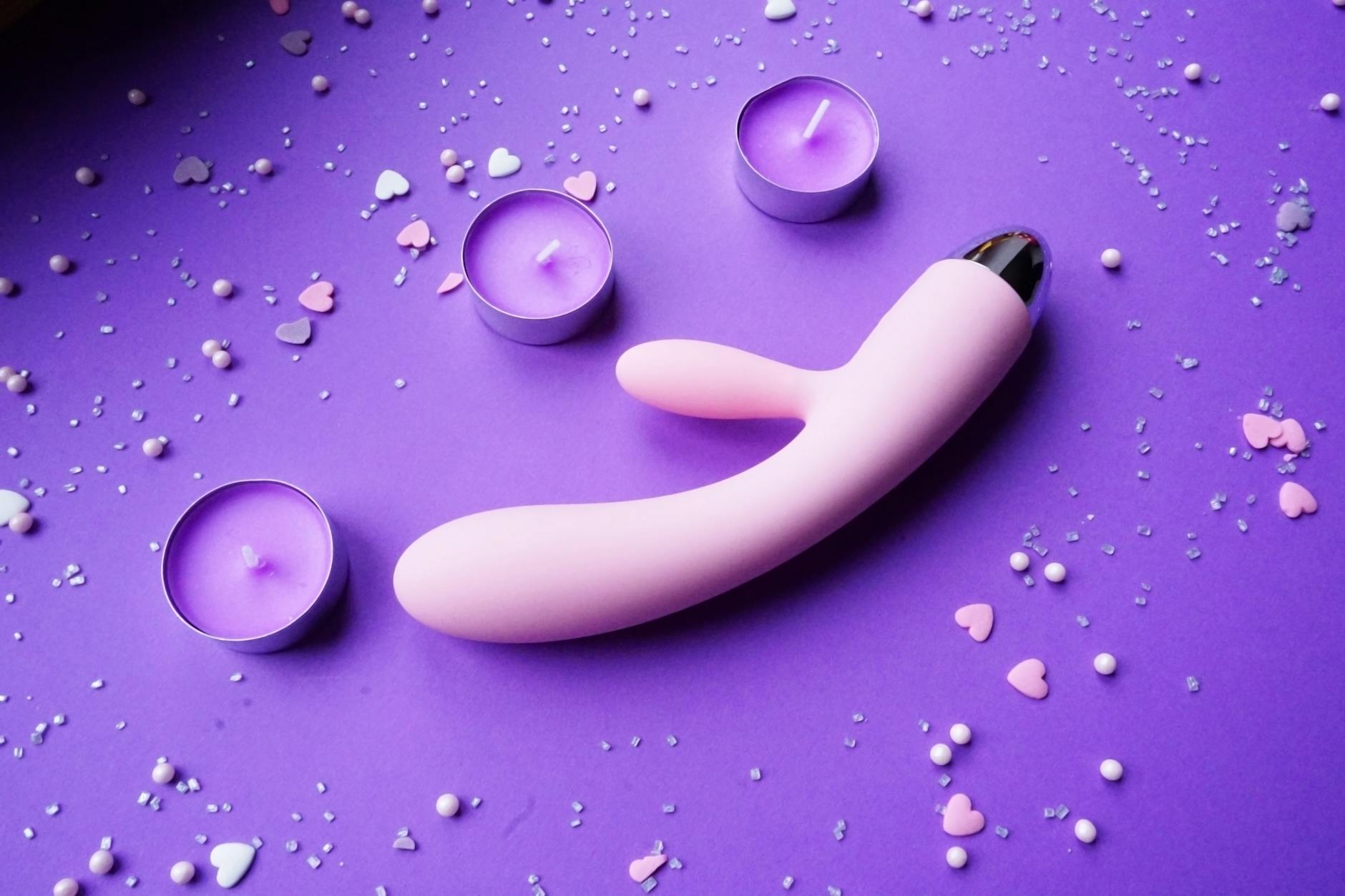
Long distance doesn't have to mean long wait times
Let's be real: long-distance relationships are already hard. The last thing you need is for your physical intimacy to become another source of guilt or missed connection. But here's what I've seen work for hundreds of couples. Lemon vibrators and intentional scheduling can actually deepen anticipation and trust in ways that proximity alone doesn't always do.
You're not trying to replace in-person intimacy. You're building a bridge between the times you can be together. And that bridge matters more than you think.
Why distance changes what turns you on
When you're apart, anticipation becomes its own erogenous zone. Your brain rewires slightly. Instead of reactive desire (you're in bed together, things happen), you're cultivating what researchers call "incentive salience." You're thinking about it ahead of time. You're planning for it. Your nervous system starts building arousal before you even connect.
That shift is not a loss. It's a different kind of intimacy. Many long-distance couples report that the intentional planning makes their intimate time feel more focused, more present, than it did before the distance.
Lemon clitoral vibrators fit perfectly into this dynamic because they require preparation. You set a time. You get the device charged. You create a small ritual around it. That ritual is where the real connection happens.
Setting up the logistics that actually work
Honestly, the mechanical part is simple, but it matters. Here's the framework I recommend.
Step 1: Pick a regular time. Pick a time that works for both of your schedules and stick to it. Friday nights at 9 p.m. Central. Sunday mornings at 8 a.m. Pacific. Whatever. The consistency itself becomes a love language. It says, "I'm making space for you."
Step 2: Communicate the plan beforehand. Send a text an hour before. Keep it simple. "Thinking about you tonight" or "I'm excited for tonight." That's enough. Anticipation starts the moment you send it, not the moment you're both ready.
Step 3: Create privacy boundaries. Make sure you both have uninterrupted time. Close the door. Put the phone on silent (except for each other). This isn't about being quick. It's about presence.
Step 4: Have a lemon clitoral vibrator charged and ready. Your device, their device, or one of each. Knowing the battery is full removes friction right when you don't want any.
The point is that infrastructure. It sounds unsexy to plan pleasure, but actually it's the opposite. It tells your partner that your pleasure matters to you, and vice versa.
What to actually do during the connection
There are a few ways couples use lemon vibrators when they're apart. Here's what works.
Video and go separately. You both get a lemon sucker or clitoral vibrator, you're on video together, and you pleasure yourselves while you watch each other. There's something profound about being seen while you're vulnerable. You're not performing for each other. You're just... being. Together, but separate.
One person uses the device while narrating. Your partner talks you through it. "Now speed it up a little. Now slow down. Tell me what that feels like." This gives you both agency. The person with the device stays present with their own body. The person talking gets to focus on what's happening. It builds a kind of call and response.
Tease and time delays. This one's for partners who like a little bit of edge play. Your partner tells you when you can use the lemon vibrator, for how long, when to stop. It's about trust and surrender. Lots of couples find this kind of structure actually deepens intimacy because it requires radical communication.
None of these "should" feel natural at first. You might feel awkward. That's fine. Awkwardness is just unfamiliarity. After two or three times, your brain catches up and the awkwardness becomes part of the ritual.
The emotional piece matters more than the toy
Here's where I see couples go sideways. They buy lemon sexual toys thinking the device will do the work. It won't. The device is just a tool. The real work is showing up consistently, telling your partner what you want, and staying curious about what they want.
Long-distance intimacy requires more communication than in-person intimacy, not less. You can't rely on body language or implied consent. You have to say things out loud. "I like it when you..." "Can we try..." "I'm nervous about..."
That conversation is uncomfortable for a lot of people. We're not used to naming desire. But couples who do it? They report that when they finally get to be in the same room again, the intimacy hits differently. Because they've practiced asking for what they want.
Timing, anticipation, and why it matters
One thing I want to flag: long-distance intimacy works best when there's an endpoint in sight. Or at least a plan to close the gap eventually. Indefinite distance erodes even the most intentional practices.
But while you're apart, the time between visits becomes a container for desire. You're building arousal over days or weeks. When you finally see each other, that's not the end of the anticipation. That's the explosion.
Lemon vibrators and intentional planning aren't a substitute for that. They're a way to keep the arousal warm while you wait.
What if one person isn't comfortable with this
Some people find the idea of using a lemon clitoral vibrator on video uncomfortable. Some partners are worried about privacy or how it looks on camera. Those concerns are legitimate.
The answer is not to push. The answer is to ask why. "What feels uncomfortable about this?" Listen without trying to fix it. Sometimes the issue is genuine risk anxiety. Sometimes it's a disconnect in desire. Sometimes it's just that they haven't had time to think about it yet.
If one partner wants to explore lemon vibrators and the other doesn't, you have options that don't require simultaneous use. One person can use a device solo, then describe it to their partner. One person can watch but not participate. You can set a timeline to revisit the conversation in a few months.
The goal is not to force intimacy. The goal is to keep the door open. And that requires patience, not pressure.
Managing insecurity and comparison
Here's a thing nobody talks about. When you're using intimate devices on video, you might feel self-conscious about how you look. Or you might worry that your partner is comparing you to something they've seen online. Or vice versa.
That's normal. And it's worth naming. "I felt shy on camera last week" is information your partner needs. It tells them how to show up for you next time. Maybe you dim the lights. Maybe you only show your body from the neck down. Maybe you just talk and don't do video.
There's no one right way. There's only the way that works for both of you.
The practicality of devices across borders
If you're in different countries, shipping lemon vibrators can get complicated. Some countries have import restrictions. Some customs officials will confiscate items. It's annoying, but it's real.
You have a few options. One partner can order it in their country and have it shipped locally. You can each order a device separately. You can wait until you're in the same place and buy together. Or you can skip the physical device and stick with video and conversation.
None of these is ideal, but they're all viable. The device is not the point. The intention is.
When distance ends and presence resumes
Here's something that surprises people. When you finally get to be in the same place after a long stretch apart, the intimacy might feel different than it did before. You've been practicing presence and communication through distance. That doesn't disappear.
Some couples find that the intentionality they built long-distance stays with them in person. They keep setting times. They keep talking about what they want. They keep using tools like lemon clitoral vibrators, but now they're in the same room.
Other couples find that once they're together, they want spontaneity back. That's fine too. The skills you built don't evaporate just because you're touching in real time.
FAQ
Can we use a Hello Nancy lemon clitoral vibrator together if we're on different continents?
Yes, absolutely. You'll need video setup that works for both of you (Zoom, FaceTime, whatever). Both people need a lemon vibrator charged and ready. The logistics are simple. The emotional setup matters more. You both need to feel safe, willing, and excited about it. If either person is hesitant, talk first before you try anything.
Is it weird to schedule intimacy if we're long distance?
Not weird at all. Actually, scheduling is one of the most honest things couples do. In-person couples pretend intimacy just "happens," but really they're also scheduling (even if it's just "weekend evenings"). Long-distance couples are just more transparent about the scheduling. And that transparency is healthy. It removes the shame.
What if we're not comfortable on video but still want to use lemon vibrators together?
You have options. One partner can use a device and describe what's happening to the other on a phone call. You can text and use lemon sexual toys at the same time. You can create a shared document or note where you both write what you're experiencing in real time. It's not video, but it's still intimacy.
My partner doesn't want to use a lemon sucker. Is our long-distance intimacy broken?
No. Devices are optional. Intimacy is not. You can have deep, connected sexual time without any toys at all. Talking, touching yourself while they listen, sexting, sending photos, imagining together. These all work. The device is just one tool. It's not the only tool.
How often should we try this if we're long distance?
There's no right answer. Some couples do this weekly. Some do it monthly. Some do it only when they're both in the mood. The consistency matters more than the frequency. If you say Friday nights are your time and you show up Friday night, your partner knows what to expect. That reliability is sexy.
What if the time difference makes scheduling almost impossible?
Time zones are genuinely hard. If one person is awake when the other is sleeping, you need creative solutions. Some couples do asynchronous intimacy: one person records something for the other to enjoy later. Some couples find one window a week that works for both and protect it ruthlessly. Some couples accept that video intimacy won't work and build their practice around sexting, voice notes, or photos instead.
Here's what matters most
Long distance is not a failure of a relationship. It's a context. And in that context, lemon vibrators and intentional connection can keep intimacy alive. But the device is not doing the work. You are. Your commitment to your partner is. Your willingness to be vulnerable and ask for what you want.
When you finally get to be together in person, that foundation doesn't disappear. You take it with you. That's the real win.
If you're navigating intimacy across distance and want to explore more, we're here. Start with the basics of lemon vibrator use, and then circle back to conversation strategies with your partner. Both resources go deeper into the communication side of things.