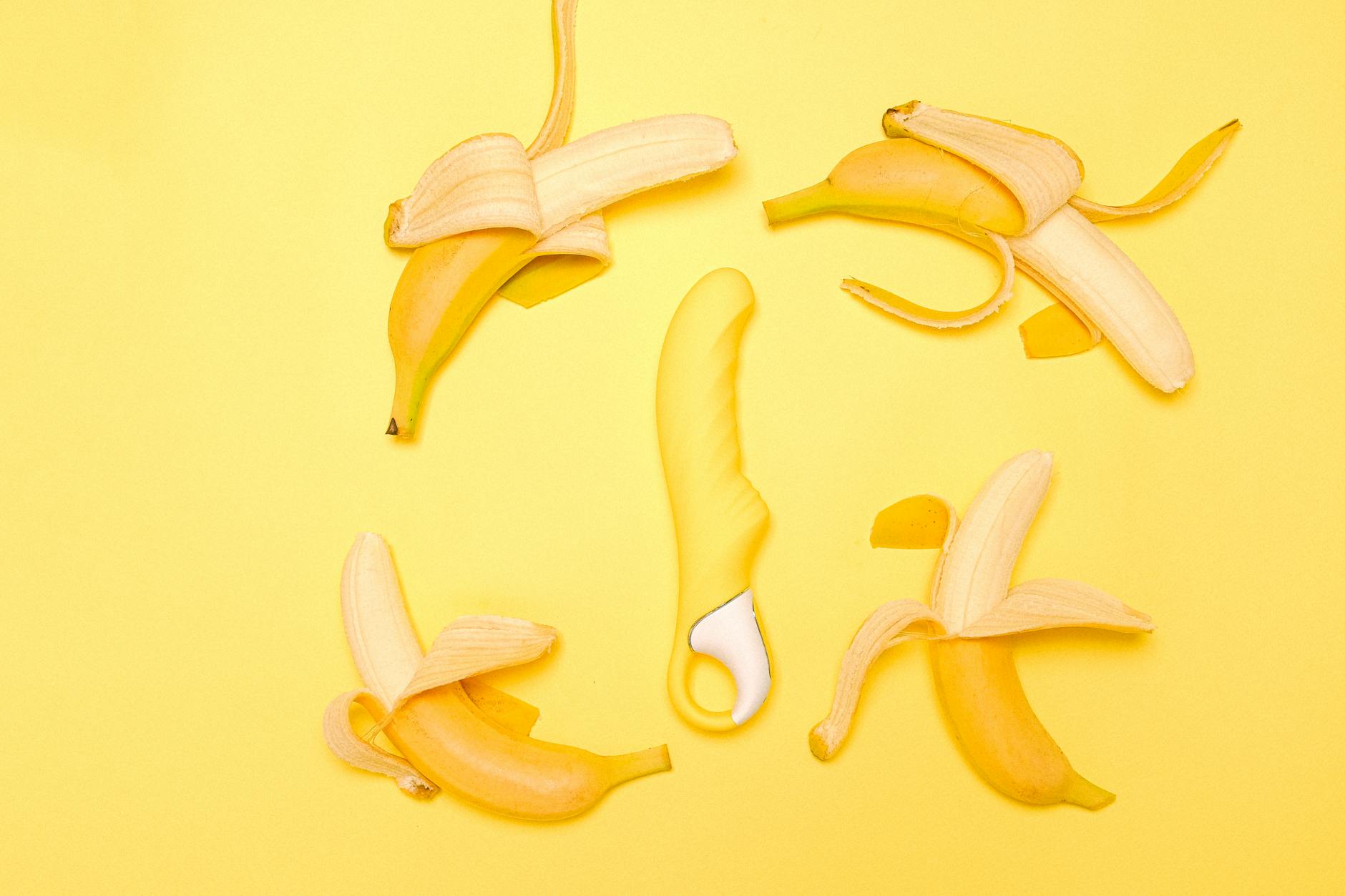
Here's the thing about multiple orgasms
They're not a myth, they're not rare, and they're not something only "certain people" can experience. But they also don't happen by accident. Most people stumble into their first one and then spend months trying to replicate it without understanding what actually made it work. With a lemon clitoral vibrator, the mechanics become clearer once you know what to look for.
Multiple orgasms aren't about going harder or faster. They're about understanding the refractory period, respecting the nerve sensitivity curve, and knowing exactly when to shift intensity. I'm going to walk you through the physiology and then the actual technique.
Why lemon vibrators work differently for multiples
The suction-and-pulse design of a lemon vibrator creates a fundamentally different sensation than traditional vibration alone. Instead of rapid friction, you're working with rhythmic pressure that engages deeper nerve clusters and allows for better recovery between peaks. This matters enormously when you're chasing multiple orgasms.
Here's why: after the first orgasm, your clitoris enters a temporary hypersensitivity phase. Direct pressure or intense vibration often feels too sharp. But the suction pattern of a lemon vibrator? It feels good through that phase. The distributed pressure is gentler, which means you can maintain stimulation without that "too much, too much" moment that usually kills the chain.
That's not incidental. That's the actual advantage.
The three-phase approach
Phase one: the build. Start on pattern 1 or 2 (the gentlest settings on your lemon vibrator). You're not rushing here. Spend 5 to 8 minutes letting arousal actually develop. Your clitoris needs time to fill with blood. Rushing skips that step and makes everything that follows harder to achieve. Position the lemon vibrator at a slight angle rather than dead-center. The edge of the opening engages the clitoral hood in a way that full contact doesn't.
Phase two: the climb. Around minute 8, move to pattern 3 or 4. You'll feel the intensity shift noticeably. Stay with this for another 5 to 10 minutes. Don't jump patterns randomly. Let your body adjust to each intensity level. The goal is to feel your arousal building steadily, not spiking and dropping. If you find yourself thinking about your grocery list, you went too fast. Back off one pattern and rebuild.
Phase three: the peak. Move to pattern 5 or 6 only when you feel genuinely close. The mistake most people make is arriving at this phase too early, exhausting their nerve sensitivity, and then having nowhere to go. But if you've paced phases one and two correctly, you'll have a real climb. Let the orgasm arrive naturally. Don't push. The second you feel the first contraction, you've crossed the threshold.
Total time for a first orgasm: 15 to 25 minutes. Yes, that's real. Yes, it's worth it.
The recovery window that changes everything
This is where most people fail at multiples. After the first orgasm, they either stop entirely (the refractory period is a real thing, but it's shorter than you think) or they immediately jump to high intensity and burn out the sensitivity.
Here's what actually works:
The moment your first orgasm finishes, keep the lemon vibrator exactly where it is. Drop back to pattern 1. Not pattern 2. Pattern 1. The suction pulse should feel almost gentle now. Your clitoris is flooded with sensation, and that gentleness is what keeps you in the game. Stay here for 30 to 60 seconds. Just breathe. Let the intensity fade slightly. This is the reset phase.
After about 60 seconds, you'll notice something: there's a tiny spark of sensation that wasn't there when you first finished. That's the sign you're ready to rebuild. Move to pattern 2 now. Not pattern 3. Pattern 2. Rebuild at this slower climb.
The second orgasm typically arrives 5 to 10 minutes after the first, if you've paced this right. It often feels different. Shallower sometimes, more concentrated other times. Both are normal.
If you're going for a third, repeat the same recovery window. Pattern 1 for 30 to 60 seconds. Then pattern 2. The third one is often the hardest to achieve because nerve sensitivity is declining, but it's also often the most intense because you've built genuine momentum.
Positioning and angle matter more than you think
Most people use a lemon vibrator dead-center on the clitoris. That works for a single orgasm. For multiples, angle changes everything. Start with the lemon vibrator slightly to the left of center. After your first orgasm, during the recovery phase, shift slightly to the right. This engages slightly different nerve pathways and resets the sensation from "overstimulated" to "interesting again."
You can also vary the depth of contact. In phase one and two, keep it external and shallow. During the recovery window, you might press slightly deeper, engaging the base of the clitoris where the nerve cluster is larger. This shift in contact point, combined with the pattern shift, is part of what makes the second and third orgasms feel achievable rather than impossible.
The breathing pattern nobody talks about
Honestly though, the single biggest factor in multiple orgasms isn't the vibrator. It's breath. Most people hold their breath as they approach orgasm. That's the nervous system saying "be ready, something big is coming." For a single orgasm, that works fine. For multiples, you're working against yourself.
Instead: breathe in during the build phase, exhale as you feel the first contraction coming. Then, crucially, keep breathing through the orgasm. Deep, slow breaths. The moment you want to hold your breath is the moment your nervous system is trying to lock down sensation. If you keep breathing, you keep the system open. That's what allows you to stay in the pleasure rather than spike out of it.
Practice this breathing pattern before you even use your lemon vibrator. On your own, without any toy. Just notice: where do you tend to hold breath? What happens if you exhale instead? This one skill is worth more than any intensity pattern.
When sensation stops working, what to do
If you've had two orgasms and your clitoris just stops responding, you haven't failed. You've hit the realistic ceiling for that session. Some days you'll get two, some days three, some days one really good one is the win. That's not a limitation. That's your nervous system communicating what it has available today. Honor it.
But if you're consistently hitting a wall at the same point, a few things to consider: Are you using enough lubrication? As sensation increases, tissue can get slightly irritated if there's friction. A little water-based lube on the rim of the lemon vibrator changes the feel significantly. Are you varying your patterns enough, or have you locked into the same rhythm? Your clitoris adapts to patterns quickly. Switching between suction intensities and angles keeps it engaged. Are you actually recovered between sessions, or are you trying for multiples every time you have the vibrator out? Your nervous system needs 24 to 48 hours to fully reset.
Solo versus partnered multiples
With a partner, the dynamic shifts. You have someone else's attention on your pleasure, which changes the psychological load. Some people find multiples easier because they're not worried about "am I doing this right." Others find it harder because there's performance pressure.
If you're using a lemon vibrator with a partner, the same technique applies: communicate about pacing. Tell them when you're entering the recovery window. Let them know that slowing down doesn't mean anything went wrong. If you're both comfortable with it, they can help manage the vibrator during recovery phases while you focus on breathing and sensation. That partnership takes pressure off the mechanics and puts it back on the pleasure.
For a deeper dive on partner dynamics with lemon vibrators, this guide on how to use a lemon vibrator with your partner without awkwardness covers communication strategies that make the whole experience easier.
Troubleshooting the most common blocks
You can't get a first orgasm, let alone multiples. That's a pacing issue. You're moving through patterns too fast. Genuinely slow down. Spend 10 minutes on pattern 1. Your body isn't being stubborn. It's telling you it needs more time. This beginner guide covers the basics of using a lemon vibrator if you want to reset on foundations.
The second orgasm never happens. You're probably either not recovering long enough or not shifting patterns enough. Try staying on pattern 1 for a full two minutes after the first orgasm instead of 60 seconds. And make sure you're actually changing something in phase two. Same angle, same pattern, same pressure... your clitoris gets bored.
Intensity feels inconsistent between orgasms. This is normal. The first orgasm is usually the biggest because you had a full build from zero arousal. The second is often more localized. That's not a failure. That's just how the nervous system works under sustained stimulation.
You're sore after. You're probably using too much pressure during recovery phases. Pattern 1 should feel almost lazy. If you're wincing, back off. Also, make sure your lemon vibrator is clean and you're using water-based lubricant. Any friction or irritant amplifies soreness.
People also ask
Can everyone have multiple orgasms with a lemon vibrator?
Most people can, but not all. Some folks have a physiological refractory period that lasts 20 to 30 minutes, which doesn't change. If that's your setup, one really good orgasm might be your realistic target. That's completely valid. The goal isn't to perform multiples. The goal is to have pleasure that feels satisfying to you.
How long should I wait between sessions if I'm practicing multiples regularly?
Give your nervous system 24 to 48 hours between intense sessions. You're training a system, and like any training, recovery matters. If you're using your lemon vibrator every day, that's fine, but vary the intensity. Not every session is a "go for multiples" session.
Does this work the same way for other lemon clitoral vibrators, or is it specific to one model?
The suction-pulse mechanism works similarly across lemon vibrator designs. The exact patterns available on your vibrator might differ, but the principle stays the same: start gentle, rebuild slowly, respect recovery windows. Learn more about how intensity settings affect pleasure to dial in what works with your specific vibrator.
What if I want multiples with a partner watching but I'm self-conscious?
That's a communication conversation, not a technique problem. Tell your partner exactly what you need: "I'm going to close my eyes for phase two because I focus better that way." or "I'd like you to watch my breathing, not my face." Most partners are relieved to have something concrete to do. Self-consciousness fades when the ground rules are clear.
Is there anything I'm using wrong if I can only get multiples when I'm really stressed or anxious?
Stress releases a lot of adrenaline, which some people's bodies convert into arousal. If that's your pattern, you're not using your lemon vibrator wrong. You're just noticing that your nervous system has a particular wiring. Explore whether you can create that same focus in calmer situations. Sometimes it's about the environment (less interruption risk, softer lighting). Sometimes it's about fantasies or mental framing. The vibrator is the tool. The context is the setup.
How does this change if I'm on hormonal birth control or dealing with hormonal shifts?
Your sensitivity and arousal timeline will shift with your cycle or medication. What works in week one of your cycle might feel off in week three. That's why pacing matters more than any specific pattern. Your body is telling you the truth in each moment. Listen to it. Some months you'll get three orgasms easily. Other months, one deep one is the win. Both are data, not failure.
The takeaway
Multiple orgasms with a lemon vibrator aren't about willpower or special anatomy. They're about pacing, respecting your nervous system's recovery window, and understanding that sensation works in phases, not just a straight climb to the top. The suction-pulse design of a lemon clitoral vibrator actually makes this easier than traditional vibrators because the gentler pressure during recovery doesn't feel like "too much." It feels like relief.
Start with a single orgasm that feels solid and unhurried. When that's consistent, add the recovery-window technique. Third orgasm comes later, if it comes at all. There's no deadline. Your pleasure matters more than the number.