When numbness finally lifts
Let's start with the thing nobody talks about: clitoral sensation can come back. After years of feeling nothing, after depression or trauma or medication or just accumulated stress rewired your nervous system, that deadened feeling can reverse. It happens quietly. Sometimes suddenly. And when it does, many people have no idea what to do with it.
You might think you'd just pick up where you left off. You won't. Your body has changed. Your mind has changed. The reawakening process is its own thing entirely, and it deserves its own approach.
Why sensation goes numb in the first place
Clitoral numbness isn't usually about physical damage. It's about your nervous system downregulating. Chronic stress, depression, trauma, certain medications (SSRIs especially), hormonal shifts, or sustained pelvic floor tension can all tell your nervous system to turn the volume way down on genital sensation. It's a protective mechanism. Your body is trying to keep you safe.
But protection can become a cage. And when life circumstances shift, when you've healed enough, when medication changes or depression lifts, your nervous system can slowly start listening again.
The tricky part: your clitoris hasn't forgotten how to feel. Your nervous system has just learned not to pay attention. Retraining it takes patience and the right kind of stimulation.
The difference between numbness recovery and regular pleasure
If you've been reading about how to use lemon vibrators or other clitoral vibrators in general, some of that advice doesn't apply to you right now. When sensation is returning after years of absence, you're not building on an existing baseline. You're establishing a new one.
Most guides assume your nervous system is responding normally to stimulus. You're retraining a nervous system that's learned not to respond. The approach is completely different.
Three key differences:
Intensity starts lower than you'd think. Even a gentle lemon vibrator on pattern 1 might feel intense or overwhelming at first. That's not weakness. That's your nerves waking up.
Consistency beats variation. Once you find a pattern and intensity that works, stick with it for several weeks before experimenting. Your nervous system needs to learn that this stimulus is safe, predictable, and worth paying attention to.
Pleasure is secondary to sensation. For a while, orgasm might not be the goal. Feeling anything at all becomes the win.
How to reawaken clitoral sensation safely
Here's the path that actually works.
Week 1-2: Non-vibration touch. Start without any toys. Spend time with your body using only your hands. Warm hands, patient touch, no pressure to feel anything in particular. This tells your nervous system that genital touch is safe again. Do this 2-3 times a week for 10-15 minutes. You might feel nothing. That's okay.
Week 3-4: Introduction to vibration. Once non-vibration touch feels comfortable, try a lemon clitoral vibrator on its lowest setting. Don't aim it directly at your clitoris yet. Run it over the mons pubis, along the inner thighs, around the vulva without the intense focal point. Get your nervous system used to the sensation of vibration itself.
Week 5-6: Direct, gentle contact. Now bring the lemon vibrator closer. Many people with returning sensation find that suction-style clitoral vibrators like the Lem work better than traditional vibrators because suction is gentler on tissue that's been numb for a long time. The suction creates a seal and draws blood flow back to the area. It doesn't require the sharp friction of a traditional vibrator.
Start on the lowest pattern and keep sessions short (5-10 minutes). You're not chasing an orgasm. You're noticing sensation.
Week 7+: Exploration and expansion. Once you can feel consistent sensation, you can slowly increase intensity, experiment with different patterns, and introduce the possibility of orgasm. But honestly, many people find that the most intense pleasure comes from staying with the gentler approach for longer. There's no rush.
What returning sensation actually feels like
This is important: it might not feel like you remember.
After years of numbness, the first sensations people report are often weird. Tingling. Electricity. Sometimes almost uncomfortable because it's unfamiliar. Your brain has to relearn how to interpret these signals. That's not a sign you're doing it wrong. That's just retraining.
Some people cry the first time they feel their clitoris again after years of deadness. Some people feel nothing for weeks and then suddenly, one session, the lights turn on. Some experience waves of sensation that feel almost overwhelming before settling into something predictable.
All of these are normal. All of them are valid paths back.
If at any point numbness is accompanied by pain, itching, or visible changes to the skin, check in with a doctor. But simple numbness shifting into tingling or unusual sensation as it returns is actually a good sign.
Rebuilding confidence alongside sensation
Here's what nobody warns you about: reawakening sensation is also an emotional process.
When you've been numb, you've probably made peace with that numbness. You've built a life around it. You've maybe stopped expecting pleasure from your body. When sensation returns, that peace gets disrupted. Sometimes it opens doors. Sometimes it brings grief.
If you had numbness tied to trauma, the return of sensation can trigger trauma memories. If it was tied to depression, reclaiming pleasure can bring up complicated feelings about the depression itself.
Take this seriously. If you're working with a therapist (and I'd recommend it), bring this up. If you're with a partner, tell them what's happening. If you're solo, give yourself permission to move slowly, to pause, to feel whatever comes up.
Using a lemon vibrator specifically during recovery
Why I mention lemon vibrators by name here: the design matters for this particular journey.
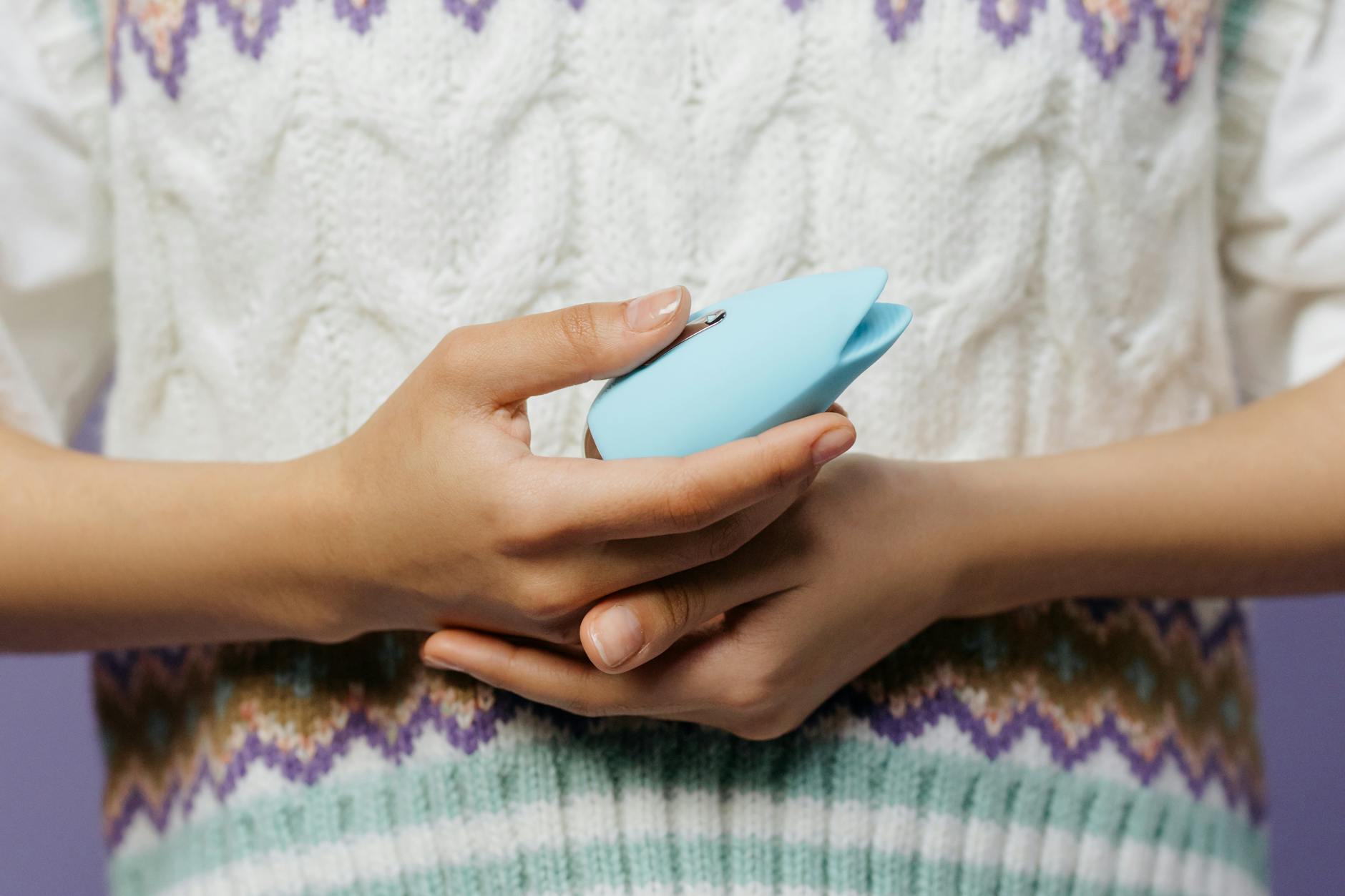
A lemon clitoral vibrator like the Lem uses air-suction technology rather than traditional vibration. For someone with returning sensation, this is gentler on tissue that's been dormant. Suction doesn't rely on friction. It doesn't require the same kind of direct pressure that traditional vibrators do. It's easier to control intensity, easier to pull away if something feels like too much, and it tends to feel less jarring to a nervous system that's just waking up.
That said, the exact tool matters less than the approach. Whether you use a lemon sucker or a different style of clitoral vibrator, the principles are the same: start low, go slow, prioritize consistency, and let your nervous system set the pace.
When to push forward and when to pause
One of the hardest parts of this process is knowing the difference between "this is uncomfortable but okay" and "this is too much."
Discomfort that's okay: tingling, unexpected sensations, the slight sting of tissue waking up, the weirdness of feeling something after feeling nothing.
Signals to pause: sharp pain, burning, numbness that returns, overwhelming anxiety, flashbacks if trauma is involved.
If you hit a signal to pause, don't panic. It just means you're moving faster than your nervous system can handle. Back up. Spend more time on touch without vibration. Give it another few weeks. Try again.
This isn't a race. People who've successfully rebuilt sensation after years of numbness often say the ones who got there fastest were the ones who stopped trying to speed it up.
The bigger picture
Reawakening clitoral sensation is about more than pleasure. It's about reconnecting with your body as a place that feels good, that responds, that's worth paying attention to. After numbness, that's a radical act.
Take your time. Use the tools that feel right. Give your nervous system permission to learn at its own pace. And know that sensitivity returning is real, it's possible, and you're not broken for taking a different path to get there.
FAQ: Clitoral sensation recovery
How long does it usually take for clitoral sensation to return after numbness?
There's no fixed timeline. Some people notice changes within weeks. Others take months. The key is consistency, not speed. If you're engaging with your body regularly using gentle stimulation, you're creating the conditions for sensation to return. But trying to force a timeline often backfires. Your nervous system will regulate at its own pace. Focus on the practice, not the deadline.
Can I use a regular vibrator or does it have to be a clitoral vibrator like the Lem?
You can use any style of vibrator, but clitoral vibrators tend to work better during recovery because you can control intensity more precisely. A lemon suction vibrator is particularly gentle because it uses suction rather than friction. But what matters most is starting on the lowest setting and prioritizing consistency over intensity. If you have a vibrator you like, use it. Just start lower than you think you need to.
What if I try for weeks and still feel nothing?
That's more common than you'd think, and it's not a failure. Some people need longer timelines. Some need a therapist involved to work through the emotional or trauma components. Some benefit from pelvic floor physical therapy because tension in the pelvic floor can block sensation. If nothing is shifting after 6-8 weeks of consistent gentle practice, check in with a healthcare provider who specializes in sexual health or a pelvic floor therapist. They can help troubleshoot what's getting in the way.
Is numbness during recovery different from the original numbness?
Yes. Original numbness usually feels like absence. Numbness during recovery often has a texture to it: tingling underneath, a sense of potential, sensitivity to certain types of touch even if you're not feeling direct pleasure yet. If the new numbness feels identical to the original deadness, that's worth flagging to a healthcare provider. But the sensation of tissue waking up as it returns usually has a different quality to it.
Can I have an orgasm while sensation is returning or should I wait?
There's no rule. Some people find that letting go of the goal of orgasm actually helps sensation return faster. Others discover that gentle, unhurried attempts at orgasm are part of the retraining process. The question to ask yourself is: am I chasing this because my body wants it, or because I feel like I should? If it's the latter, give yourself permission to slow down. If it's the former, listen to that. Your body's signals matter more than any protocol.
Should I tell my partner about sensation returning after numbness?
I'd say yes, especially if you're partnered. This is a significant shift. It changes what feels good, what intensity you want, possibly what kind of touch you need. Partners who understand what's happening can support the process instead of accidentally moving too fast or creating pressure. This is also an opportunity to rebuild intimacy together. Check out how other people have navigated pleasure with partners after major changes for ideas on how to have that conversation.
What if returning sensation brings up trauma or difficult emotions?
That's real and worth taking seriously. Consider working with a therapist, ideally one trained in both sexual health and trauma. Some people find that reawakening pleasure also reawakens memories or grief. That's not a sign you're doing something wrong. It's a sign you need support. Many people process both the physical and emotional recovery simultaneously, and having professional help makes that manageable. You can also explore how others have navigated pleasure after trauma for community and strategies.
Your next step
Reawakening sensation takes patience, consistency, and permission to move at your own pace. You're not broken. Your nervous system is responding exactly as it should. Start small, stay consistent, and give your body time to remember what it feels like to feel good.
If you're working through this and want guidance on the bigger picture of rebuilding intimacy and confidence, reach out. You don't have to navigate this alone.