Here's the thing about numbness
When your body stops sending signals, it's not because the wiring is broken. It's usually because you've learned, over weeks or months or years, that it's safer to feel nothing. Numbness is actually smart. It's a protection. But protection that doesn't lift becomes a prison.
Reconnecting with your body after numbness isn't about forcing sensation back. It's about patience, specific tools, and permission.
Why numbness happens in the first place
Emotional disconnection, prolonged stress, trauma, burnout, medication shifts, or just years of pushing through without checking in. Your body learns the signal that pleasure isn't a priority. Or that it's not safe. The nervous system responds by turning the volume down on sensation.
When you finally want to come back, the path isn't linear. Your body doesn't suddenly light up again because you decided you're ready. Reconnection is a gradual process of building trust with yourself.
Why a lemon clitoral vibrator is different
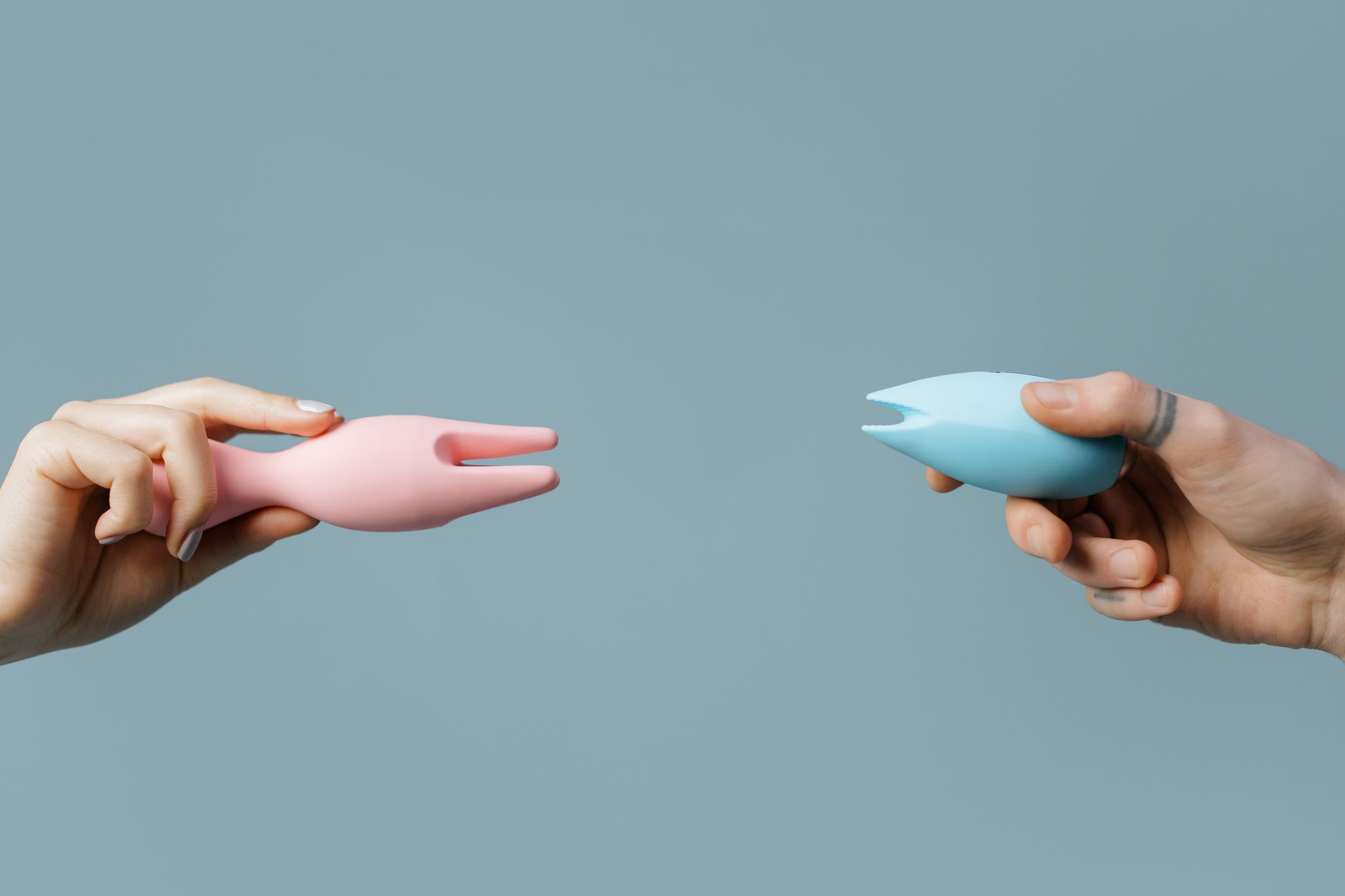
Most vibrators deliver a steady buzz. With numbness, steady buzz often feels like nothing, which is discouraging. Air-suction clitoral vibrators like the Lem work differently. They create gentle pulses that stimulate without requiring direct pressure. This matters because:
Your body can feel sensation without it feeling invasive. Many people describe it as waking up a sleeping limb, not shocking it. The rhythm is easier to follow than a constant vibration, which helps your nervous system gradually recognize arousal cues again.
Building the foundation: space and timing
Before you use any vibrator, this part matters most. Set aside 20-30 minutes when you won't be interrupted or rushed. Not the end of a workday when you're exhausted. Not when someone's in the next room. Choose a time when your nervous system is actually available.
Dim the lights. Temperature matters more than you'd think. A cool room pulls you out of your body; warm pulls you in. Get comfortable. If you're usually under covers, stay under covers. If you tend to sprawl, sprawl.
Starting: the first three sessions
Session one, forget orgasm. Seriously. Your job is just to notice. Hold the lemon vibrator, unturned on, and touch it to your inner thigh. What does it feel like? Temperature? Weight? Texture? Spend three minutes on this.
Then turn it to the lowest setting and hold it near your vulva without direct contact. Just close. Notice if you feel anything. If you do, great. If you don't, that's also data. No judgement either way. Spend five minutes here. That's it for day one.
Session two, repeat the threshold work but move slightly closer if you want. Introduce one minute of the gentlest direct contact on the outer labia. One minute. Stop while you still feel calm. This isn't about escalating. It's about teaching your nervous system that this is safe.
Session three, you might try patterns 1 or 2 on the Lem for 90 seconds to two minutes, but move the vibrator around rather than holding it stationary. Different angles, different speeds, always stopping before intensity builds. The goal is variation, not climax.
The middle phase: learning your current landscape
By sessions four through eight, you're mapping. Where does sensation feel strongest. Where is it muted. Does your body respond better to constant suction or pulsing patterns. Does skin-on-skin contact beforehand help. Does thinking about a specific scenario matter, or does it actually pull you out.
If you're working with a partner, this is where communication becomes crucial. Tell them you're rebuilding sensation and need them to stay present but not directive. "Tell me something you find sexy about me" works. "Are you feeling something yet" doesn't.
Most people find that sensation starts returning in waves. You might feel nothing for several minutes, then a thread of tingling, then it fades again. This is normal. Your nervous system is learning to trust the signal again.
You may experience waves of emotion. Frustration. Grief over the time lost. Relief that something's coming back. All of this is part of reconnection. Let it happen.
When progress stalls
If you're three weeks in and still feeling almost nothing, three things to check:
First, are you actually relaxed. Tension in your jaw, shoulders, or pelvic floor will override any vibration. Spend two minutes consciously softening everything before you start. Second, is your nervous system overstimulated elsewhere. If you're working 60-hour weeks and drinking too much coffee, your body won't reconnect on top of that load. Third, is there shame still sitting underneath. Sometimes numbness is also resistance. Worth checking in with yourself or a therapist about.
Building toward pleasure (not rushing it)
Once you're consistently feeling something, you can start extending sessions. Ten minutes. Fifteen. Still stopping before climax if climax feels far away. Let your body move how it wants. Some people circle their hips. Some stay still. Some need to vocalize.
Your orgasm might look different on the other side of reconnection. Shallower. Different texture. Quieter. Louder. None of those outcomes are wrong. Your body is telling you what it needs now, not what it needed before.
Many people find that when sensation changes during hormonal transitions, they have to relearn their body anyway. Reconnection from numbness follows a similar arc. You're not trying to get back to what was. You're discovering what is.
The emotional part (because it's all emotional)
Reconnecting with your body often means confronting why you disconnected in the first place. Burnout. Relationship dynamics that made you feel unsafe. A diagnosis. Years of just surviving. Pleasure work and emotional work are the same work.
If you're rebuilding intimacy with a partner, understanding arousal patterns helps both of you. Sometimes your partner's pattern shifted while you were numb. You're not starting from the same place you left.
Give yourself permission to take this slowly. Reconnection isn't a race. Your body will rebuild sensation on its own timeline, not on a schedule you impose.
Tools that help alongside the vibrator
Water-based lubricant, even if you're not using a partner. It reduces friction in a way that lets you focus on sensation rather than discomfort. A journal to track what you notice each session. Not performance tracking, just observation. "Felt warmth on day five." "Third setting created tingling." Writing it down helps your brain register the progress.
Consider your environment. A scent that feels grounding. Music that holds your attention without demanding it. Some people connect better with the vibration when they're looking at their own body. Others keep eyes closed. Experiment.
When to see someone
If numbness is connected to trauma, a trauma-informed therapist matters. If it's connected to medication, talk to your doctor about options. If it's relationship-related, couples counseling can help you both navigate reconnection as a shared process rather than an individual failure.
Feel free to reach out if you want to talk through your specific situation.
FAQ: Reconnecting with your body
How long does it actually take to feel sensation again?
Two to four weeks is common for most people. Some experience small changes in two sessions. Others need eight weeks. Hormones, stress load, the type of numbness, and how long it's been present all factor in. The timeline is less important than consistency. Five-minute sessions three times a week beats one long session every month.
What if I feel something, then lose it again on the next day?
Completely normal. Your nervous system is volatile when it's rebuilding. One stressful email or poor sleep can temporarily dim sensation. This doesn't mean you've failed or lost progress. It means your body is still learning that safety is consistent.
Can I use a lemon vibrator if I'm still taking medication that affects sensation?
Yes. The vibrator won't counteract the medication, but it can help you find sensation thresholds that still exist. Many medications that suppress sensation allow for some remaining feeling. A gentle vibrator can help you locate it. Talk to your doctor if numbness is bothersome; sometimes dose or timing adjustments help.
Is it normal to feel frustrated or sad while reconnecting?
Yes. You might grieve the time you lost. Or feel angry that you had to disconnect in the first place. Or just feel tired. These emotions are as much part of reconnection as sensation is. Let them happen. They usually pass faster when you don't resist them.
What's the difference between numbness and just having a low libido?
Low libido is often mental or emotional. You're not interested, or you are but not right now. Numbness is physical. You want to feel something and can't. You might have both at once. A clitoral vibrator addresses the numbness piece. Libido usually requires looking at what's happening in your relationship, life, or body more broadly.
Should I tell my partner I'm using a vibrator to reconnect?
That depends on your dynamic. Some couples work better when both people are involved in reconnection. Some people need to rebuild sensation alone first, then bring a partner in. Both approaches work. The key is honesty. "I'm working on reconnecting with my body" matters more than the specific tool.
The real ending
Reconnection isn't about returning to some peak sensation you remember. It's about building a new relationship with your body right now, in its current state, under current circumstances. The lemon vibrator is just the tool. Your patience is the real work.
Your body will come back. It just needs time, consistency, and the message that pleasure matters again.